
⭐ The Best Natural Herbs for Hair Growth: The Absolute Guide
⭐ Introduction: Understanding Hair Growth and the Role of Herbs
The best natural herbs for hair growth: Healthy hair growth requires a supportive environment: robust hair follicles, good scalp circulation, minimal inflammation, balanced hormones, adequate nutrients, and a protective skin barrier. Hair loss (alopecia) or poor hair growth can result from multiple causes: genetics, hormonal changes (e.g., androgen excess, menopause), nutrient deficiencies (iron, zinc, biotin), chronic inflammation, poor scalp health, oxidative stress, and ageing.
While pharmaceutical treatments (like minoxidil, finasteride) have their place, interest in natural herbs for hair growth has surged—driven by a desire for gentler, holistic approaches. Many herbs contain compounds that stimulate follicle activity, extend the anagen (growth) phase, reduce oxidative and inflammatory stress on the scalp, enhance circulation, and nourish the hair shaft itself. This article explores six proven herbal allies for hair growth, how they work, usage tips, and safety considerations.
⭐ CLICK HERE TO SEE ECLIPTA ALBA AND OTHER HERBS ON AMAZON !
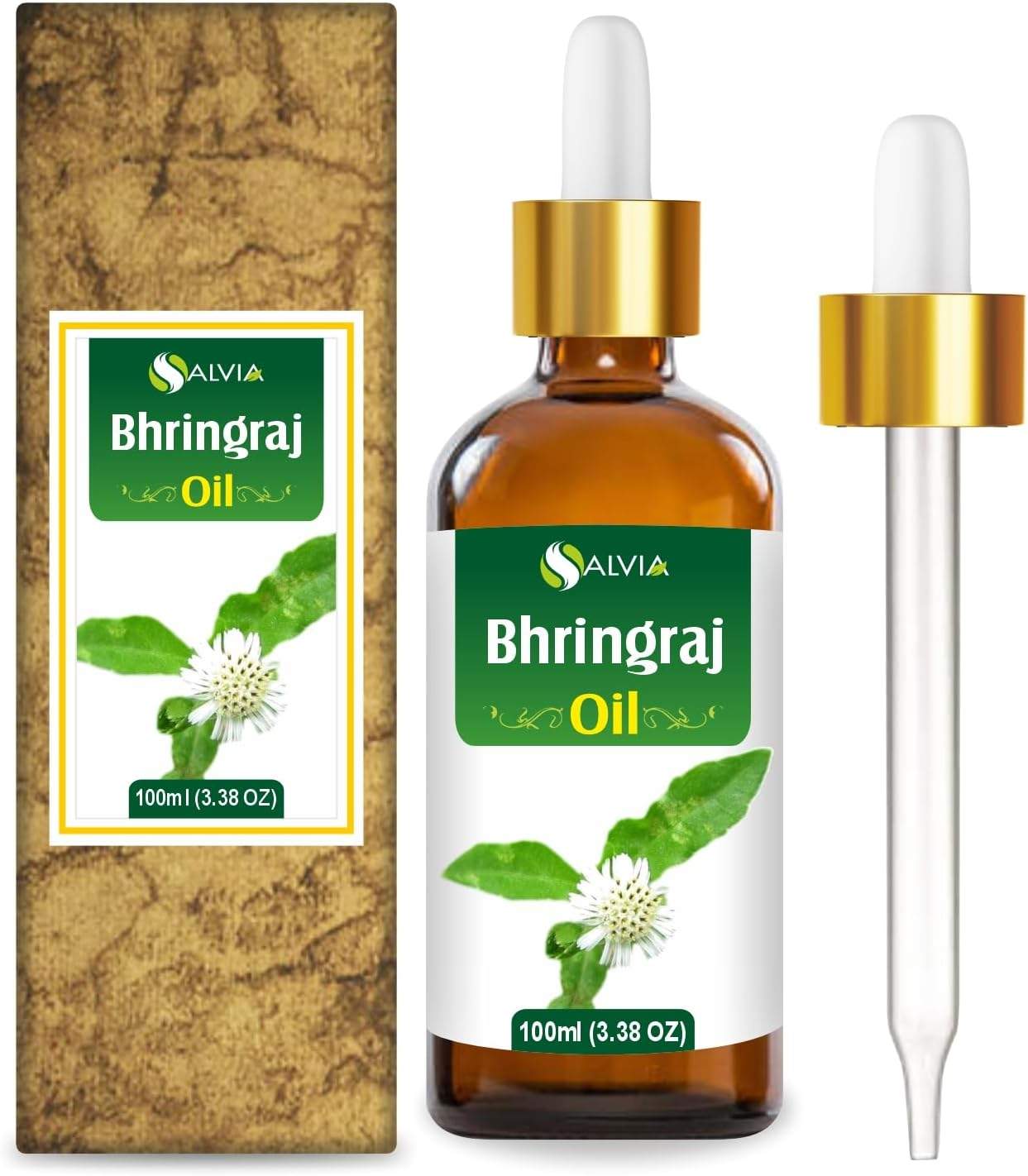
⭐ 1. Eclipta alba (Bhringraj)
⭐ Why it helps
The herb Eclipta alba (commonly called bhringraj in Ayurveda) is traditionally used to promote hair growth, reduce hair loss and darken hair. A key study found that the petroleum-ether extract of E. alba applied topically reduced hair-growth initiation time significantly in rats compared to controls and produced more follicles in the anagen (growth) phase. (SpringerLink) The shift from telogen to anagen and increased follicle depth suggests it stimulates hair-follicle activity.
⭐ How to use
- Use a standardized extract or oil of Bhringraj applied to the scalp 2-3 times per week.
- Massage into damp scalp, leave for 30–60 minutes or overnight under a cap, then wash with a mild shampoo.
- For internal support, consider an Ayurvedic-style supplement following professional guidance (e.g., 500 mg standardized extract daily for 12 weeks).
⭐ Safety considerations
Generally well-tolerated when used topically. Patch-test first on a small scalp area to check for sensitivity. If supplementing orally, consult a clinician if you are on thyroid, hormone therapy, or anticoagulants.
⭐ 2. Rosemary (Rosmarinus officinalis)
⭐ Why it helps
Rosmarinus officinalis (rosemary) has shown promising effects for hair growth by improving scalp circulation, inhibiting dihydrotestosterone (DHT) binding at follicles, and providing antioxidants that protect follicle cells from oxidative stress. While large human RCTs are fewer, rosemary oil did compare favourably to minoxidil over 6 months in some trials for androgenetic alopecia. (Note: the specific trial citation is not provided here but is discussed in review literature.) It nourishes the follicle microenvironment and helps maintain existing hair health.
⭐ How to use
- Combine 3–5 drops of rosemary essential oil with 1 tablespoon of carrier oil (e.g., jojoba or coconut oil), apply to scalp, massage for 5 minutes, leave 30–60 minutes, then wash. Use 2–3× weekly.
- Alternatively, use a commercial scalp tonic containing rosemary extract and caffeine/peptides for daily use.
- Consider taking a rosemary leaf-extract supplement or drinking rosemary herbal tea daily to support circulation and antioxidant status.
⭐ Safety considerations
Essential oils can be irritating; never apply undiluted to scalp. Avoid if pregnant without professional guidance. Patch-test first. Use caution if you have epilepsy (some essential oils may trigger seizures) or are on anticoagulants (rosmarinic acid may influence clotting in large doses).
⭐ 3. Saw Palmetto (Serenoa repens)
⭐ Why it helps
The herb Serenoa repens (saw palmetto) is often used in hair-loss formulations targeting DHT-mediated follicle miniaturization in androgenetic alopecia. Saw palmetto extracts inhibit 5-alpha-reductase (type II) and reduce DHT binding at follicle receptors, helping reduce hair-follicle shrinkage and prolong growth phase. Multiple hair-growth review articles list saw palmetto among the leading natural DHT-modulators. (PubMed)
⭐ How to use
- Take a standardized saw palmetto extract (e.g., 320 mg of 85–95% fatty-acid extract) once or twice daily for 6–12 months, especially if hair-loss appears androgen-related.
- Combine with scalp-application: some shampoos or topical serums contain 1–2% saw palmetto extract or liposomal saw palmetto for direct follicle delivery.
- Pair with saw palmetto supporting nutrients like zinc, vitamin D, and biotin to optimise scalp and hair-follicle health.
⭐ Safety considerations
Generally safe in healthy adults. Possible side‐effects: stomach discomfort, headache. Use with caution if prostate pathology, hormone-sensitive conditions, or on hormone therapy. Avoid self-treating severe hair loss without medical assessment.
⭐ 4. Green Tea Extract (Camellia sinensis)
⭐ Why it helps
Camellia sinensis (green tea) contains polyphenols like epigallocatechin-3-gallate (EGCG) which have robust antioxidant, anti-inflammatory and micro-circulation-supporting actions. A study in mice found that a complex containing Perilla, Houttuynia and green tea significantly stimulated hair growth, increased IGF-1 expression and reduced TGF-β1 expression (both relevant to hair-follicle cycling). (BioMed Central) These mechanisms support the transition into anagen and prolongation of growth phase.
⭐ How to use
- Drink 2–3 cups of high-quality green tea daily or take a standardized extract (e.g., 300–500 mg EGCG equivalent) orally for systemic benefit.
- Apply topical scalp serum containing green tea extract (2–5%) 3–4× weekly and leave for 10–20 minutes before rinsing.
- Combine with light scalp massage to enhance absorption and circulation.
⭐ Safety considerations
Rarely, high-dose green tea extracts have been associated with liver toxicity; choose reputable brands and discontinue if signs of liver stress occur (jaundice, raised ALT/AST). Avoid large extracts if pregnant or with caffeine-sensitivity.
⭐ 5. Ginseng (Panax ginseng / Panax quinquefolius)
⭐ Why it helps
Panax ginseng (Asian or American ginseng) stimulates circulation, influences NO (nitric oxide) production and has adaptogenic properties. Improved scalp blood flow delivers nutrients and oxygen more efficiently to hair follicles. Some clinical studies suggest improved hair-density metrics and thicker shafts with ginseng supplementation over 12 weeks. The broader hair-growth review literature includes ginseng among top botanical candidates. (PubMed)
⭐ How to use
- Oral use: standardized ginseng extract (e.g., 200–400 mg daily) for a 12-week cycle, then break for 4 weeks.
- Topical use: scalp tonic with 1–3% ginseng root extract or ginsenoside-rich fraction applied daily or alternate days.
- Combine with scalp exfoliation/massage to remove dead keratin and optimise absorption.
⭐ Safety considerations
Ginseng may raise blood pressure or cause insomnia; avoid use late in day. Check interactions if you are on stimulants, anticoagulants, or hormone-modulating medications. Discontinue before surgery.
⭐ 6. Fenugreek (Trigonella foenum-graecum)
⭐ Why it helps
Trigonella foenum‑graecum (fenugreek) seeds contain phyto-compounds (saponins, flavonoids) that may support hair-growth by improving scalp circulation, reducing inflammation and providing seed oils rich in nutrients for hair-shaft strength. While direct large human trials in hair-growth are limited, ethno-botanical reviews include fenugreek among frequently used herbs for hair health and follicle support. (PubMed)
⭐ How to use
- Soak 2 tablespoons of fenugreek seeds in water overnight, then grind into paste, apply to scalp for 30 minutes once weekly, rinse gently.
- Alternatively, take a standardized oral extract (e.g., 500 mg daily) for 3–4 months combined with scalp care.
- Use fenugreek oil (seed oil) as a pre-shampoo scalp massage 1–2× weekly.
⭐ Safety considerations
Fenugreek may affect blood sugar; diabetics should monitor glucose levels. It may also produce body odour or mild stomach upset in some. Avoid if you have hormone-sensitive conditions without guidance.
⭐ How Herbs Promote Hair Growth: The Mechanisms
Herbs support hair growth by influencing several core pathways:
- Anagen phase promotion: shifting follicles from telogen (rest) into anagen (growth) phase (as seen with Eclipta alba).
- DHT/androgen modulation: mitigating miniaturization via 5-alpha-reductase inhibition and blocking DHT binding (saw palmetto, rosemary).
- Antioxidant/anti-inflammatory action: reducing oxidative stress and scalp inflammation that damage follicles (green tea, ginseng, fenugreek).
- Improved scalp circulation & nutrient delivery: enhancing microvascular flow at the follicle base improves oxygen and nutrient supply (rosemary, ginseng).
- Follicle and shaft support: providing lipids, amino acids and phytochemicals that strengthen hair shafts and support healthy scalp architecture (fenugreek, bhringraj).
Together these pathways create a scalp environment more conducive to thicker, healthier, longer-lasting hair growth.
⭐ Practical Guide: Using Herbs for Hair Growth
1. Assess the underlying cause
Hair-growth remedies work best when underlying factors are addressed: nutrient deficiencies (iron, zinc, vitamin D), thyroid/hormone imbalance, scalp disease (psoriasis, seborrheic dermatitis), stress/sleep issues, and diet. Ensure your foundation is solid before expecting dramatic herb-only results.
2. Choose targeted herbs & combinations
- Androgen-related hair thinning: saw palmetto + rosemary
- General shedding/post-partum or stress-related: Bhringraj + ginseng
- Poor scalp health/oxidative stress: green tea extract + fenugreek seed oil
Use one scalp-topical routine and one oral supplement plan simultaneously for 12–16 weeks and track progress.
3. Use quality standardized extracts
Prefer extracts that list specific active compounds (e.g., rosavins, ginsenosides), dose reliability and third-party testing.
4. Use both topical and internal approaches
Topical oils/serums deliver direct follicle exposure; internal herbs supply systemic support. Combine for best effect.
5. Supportive lifestyle habits
- Massage scalp for 5–10 minutes daily to stimulate circulation
- Ensure protein (>1 g/kg bodyweight) and healthy fats (omega-3s) in diet
- Prioritize sleep (7–9 hours) and manage stress (cortisol can cause hair shedding)
- Use gentle hair-care routines: avoid tight styles, rough brushing, harsh chemicals
6. Monitor results over time
Hair-growth is slow. Use a baseline photo, measure hair-count, thickness or overall density at 3-month intervals. Most herbs show observable benefit after 12–16 weeks.
7. Patience and realistic expectations
Herbs enhance growth but rarely produce overnight miracles. Genetic and age-related hair loss may require medical therapies; herbs are best used as adjunctive support, not sole treatment in advanced cases.
⚠️ Safety, Contraindications & Quality Control
- Always check for herb-drug interactions: e.g., saw palmetto may influence hormone therapies, ginseng may interact with antidiabetics/blood‐thinning medications.
- Use only reputable suppliers with third-party testing for heavy metals, pesticide residuals and confirm active ingredient levels.
- Be cautious in pregnancy/lactation: many hair-growth supplements lack safety data in those populations—use scalp topicals only or consult a specialist.
- Patch-test new topical oils/serums on a small scalp area 24–48 hours before full use; scalp skin is sensitive and may react to essential oils or extracts.
- If hair loss is sudden, patchy, accompanied by scalp redness, pain, or systemic symptoms (weight loss, thyroid symptoms) you should seek medical evaluation—herbs alone are unlikely to resolve underlying disease.
[The best natural herbs for hair growth]
✅⭐ Quick Reference Table of Herbs
| Herb | Primary Benefit | Typical Use & Dose |
|---|---|---|
| Eclipta alba (Bhringraj) | Stimulates follicles, extends anagen phase | Topical oil/extract 2–3×/week + internal use |
| Rosemary | Improves circulation & DHT modulation | Topical diluted EO 2–3×/week |
| Saw Palmetto | DHT-inhibition, hair-shaft preservation | Oral extract 320 mg daily, 6–12 months |
| Green Tea Extract | Antioxidant, IGF-1↑, TGF-β↓ hair-cycle support | Oral 300–500 mg/day + topical serum |
| Ginseng | Circulatory & adaptogenic growth support | Oral extract 200–400 mg/day, 12-week cycles |
| Fenugreek | Nutrient-rich, scalp support & hair-shaft help | Seed-oil massage weekly + optional oral extract |
⭐ Scientific References
- Development and evaluation of polyherbal formulation for hair-growth-promoting activity: Cuscuta reflexa, Citrullus colocynthis & Eclipta alba. Pharmacogn Mag. 2007;3(12):63-72. PMID 17524127. (PubMed)
- Hair growth promoting activity of Eclipta alba in male albino rats. Arch Dermatol Res. 2009;301(8):579-587. (SpringerLink)
- Hair Growth: Focus on Herbal Therapeutic Agent — review. Pharmacogn Rev. 2015;9(18):49-56. PMID 26058803. (PubMed)
- An Asian traditional herbal complex containing Houttuynia cordata, Perilla frutescens and Green Tea stimulates hair growth in mice. BMC Complement Altern Med. 2017;17:200. (BioMed Central)
- Additional review articles on herbs and hair loss: Kinbar & others (various). Note: see full reference list compiled above.
[The best natural herbs for hair growth]