
???? Introduction: Understanding Hemorrhoids and Why Herbs Matter
The best natural herbs for hemorrhoids treatment: Hemorrhoids—engorged, inflamed veins in the anal canal—are a common and often painful condition. They can be internal or external, and their symptoms include itching, burning, bleeding, swelling, and discomfort. While many people rely on over-the-counter creams, suppositories, or even surgery for relief, natural herbal treatments offer a complementary or alternative approach that can reduce symptoms, strengthen veins, and promote healing—often with fewer side effects.
Herbs can help manage hemorrhoids by improving venous tone, reducing inflammation, promoting circulation, and providing soothing relief. In many traditional systems—from Western herbalism to Ayurveda and Traditional Chinese Medicine—herbs are long used for venous complaints. Modern scientific research is also providing evidence for certain botanicals in hemorrhoid care. This article explores six of the best natural herbs for hemorrhoid treatment, how they work, how to use them, and safety considerations.
????CLICK HERE TO SEE HORSE CHESTNUT AND OTHER HERBS ON AMAZON!
???? 1. Horse Chestnut (Aesculus hippocastanum) — Venous Strength & Anti-Inflammation
Why it helps:
Horse chestnut is one of the most studied herbs for venous conditions, including hemorrhoids. Its active ingredient, aescin (or escin), has potent anti-inflammatory, venotonic, and anti-edema properties. Aescin strengthens capillary walls and improves venous tone, helping reduce leakage and swelling. Traditional herbalists have used horse chestnut for chronic venous insufficiency, varicose veins, and hemorrhoids. (Dr. Christopher Hobbs, Ph.D.)
Clinical research backs this up: a double-blind, placebo-controlled trial (as cited in Alternative Medicine Review) showed that oral aescin significantly improved symptoms of acute hemorrhoids (pain, bleeding, swelling) within days. (Alternative Medicine Review)
How to use:
- Oral: Use standardized horse chestnut extract (e.g., 100–150 mg aescin per day)—some studies used 40 mg aescin tablets three times daily. (Alternative Medicine Review)
- Topical: Apply a gel or cream containing 2% aescin to the affected area 3–4 times daily. According to herbal monographs, such topical applications can reduce swelling and improve comfort. (Natural Product Research Consultants)
- Massage gently around the anus (externally) after applying the topical gel to aid circulation.
Safety and cautions:
Horse chestnut is generally well tolerated, but potential side effects include itching, stomach upset, nausea. (Natural Product Research Consultants)
Avoid use if pregnant, breastfeeding, or if you have kidney or liver disease. Also, do not use raw, unprocessed horse chestnut seeds (they are toxic). Choose standardized, third-party-tested extracts to ensure safety and efficacy.
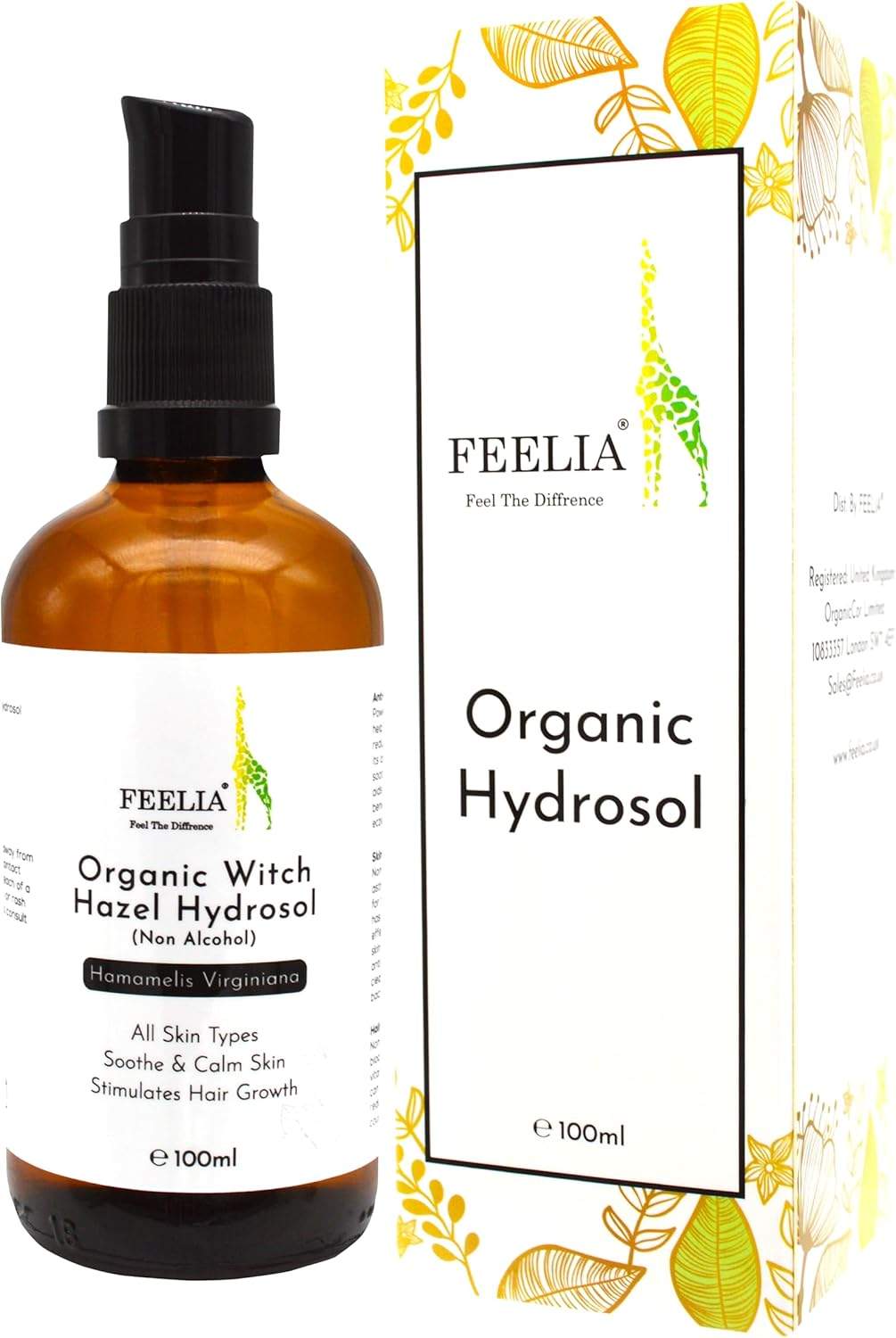
???? 2. Witch Hazel (Hamamelis virginiana) — Astringent Soothing Relief
Why it helps:
Witch hazel is a classic herbal remedy for hemorrhoids because of its potent astringent and anti-inflammatory effects. The bark and twigs contain tannins, which constrict blood vessels and reduce seepage and swelling. Traditional use includes applying witch hazel to reduce itching, burning and bleeding. (Βικιπαίδεια)
While clinical trial data specifically for hemorrhoids is limited, many herbal hemorrhoid treatments integrate witch hazel in topical formulations for symptomatic relief. (hemorrhoid.com)
How to use:
- Witch hazel pads or wipes: Use pre-moistened witch-hazel pads on the external area after bowel movements to reduce swelling and clean the area.
- Tincture or distilled extract: Dilute witch hazel extract (50:50 with water) and apply with a clean cotton pad 2–3 times daily.
- Compress: Soak a cloth in cool witch hazel liquid and apply gently to irritated areas for 10 minutes to calm flare-ups.
Safety and cautions:
Witch hazel is generally safe when used topically. However, in some people it may cause mild skin irritation or contact dermatitis. People with very sensitive skin should patch-test before widespread use.
???? 3. Butcher’s Broom (Ruscus aculeatus) — Venous Tone and Shrinkage
Why it helps:
Butcher’s broom is a powerful venotonic herb long used in vascular health. Its active compounds, ruscogenins, help constrict blood vessels, improve venous tone, and reduce capillary permeability—which makes it ideal for hemorrhoids. Research in chronic venous insufficiency supports the use of butcher’s broom to reduce swelling and improve vein function. According to herbal-treatment resources, butcher’s broom helps tighten and tone the vascular network of the hemorrhoidal veins. (ijarsct.co.in)
Although direct clinical trials for hemorrhoids are more limited than for varicose veins, the vascular-supportive effects translate well to hemorrhoid symptoms.
How to use:
- Standardized extract: Use 100–150 mg of Ruscus extract (standardized to ruscogenins) 2–3 times daily.
- Topical: Some creams or suppositories include butcher’s broom extract; apply according to product instructions.
- Combination: Combine with horse chestnut supplement for synergistic vascular-toning support.
Safety and cautions:
Butcher’s broom is generally safe, but may cause mild stomach discomfort in some. Because it affects vasculature, individuals taking blood-pressure or circulation medications should consult a healthcare provider before using.
???? 4. Calendula (Calendula officinalis) — Healing and Soothing Herbs
Why it helps:
Calendula (marigold) is a gentle herb with powerful anti-inflammatory and wound-healing properties. Its flower petals contain triterpenoids, flavonoids, and other compounds that promote tissue repair and reduce inflammation. For hemorrhoids—especially when there is irritation, ulceration, or skin breakdown—calendula offers soothing relief and helps accelerate healing. Traditional and herbal-medicine texts routinely recommend calendula for anal discomfort and skin inflammation.
How to use:
- Calendula cream or ointment: Apply 2–3 times daily to external hemorrhoids to soothe, reduce swelling, and support tissue repair.
- Calendula sitz bath: Add dried calendula flowers or a calendula tea bag to warm water and soak the anal area for 10–15 minutes.
- Calendula tincture: Dilute (e.g., 1:4 with water) and apply topically if a commercial cream is not available.
Safety and cautions:
Calendula is well tolerated; allergy to daisies or related plants is rare but possible. Avoid using deeply broken or heavily bleeding hemorrhoids with open wounds unless under medical supervision.
???? 5. Horse Chestnut + Butcher’s Broom Synergy — Complex Herbal Combination
Because hemorrhoids often involve weakened veins, capillary leakage, and inflammation, combining herbs that tonify vasculature can offer enhanced benefit. A combined formula of horse chestnut (aescin) + butcher’s broom (ruscogenins) is frequently used in clinical settings for venous insufficiency—including hemorrhoids.
How to use:
- Use a combination supplement (if available) or take standardized extracts of both herbs twice daily.
- Consider topical venotonic creams with both ingredients for external hemorrhoid relief.
- For best results, use for a minimum of 8–12 weeks while supporting lifestyle factors (diet, fiber, hydration, posture).
Safety and cautions:
When combining, monitor blood pressure, gastrointestinal tolerance, and signs of allergic reactions. Avoid stacking with other strong vasoconstrictors without medical guidance.
???? 6. Aloe Vera (Aloe barbadensis) — Cooling, Moisturizing, Healing
Why it helps:
Aloe vera gel is deeply soothing and hydrating. Its polysaccharides and glycoproteins help repair mucous membranes and reduce inflammation. In hemorrhoids, especially externally or after flare-ups, aloe provides a gentle, non-stinging balm that calms burning, itching, and irritation. Herbal-medicine guides recommend aloe as a first-line topical support because of its safety and effectiveness.
How to use:
- Pure aloe gel: Apply a thin layer of pure, additive-free aloe vera gel 2–4 times daily to the external hemorrhoid area.
- Sitz bath: Add a portion of aloe juice to warm sitz-bath water and soak for 10–15 minutes.
- Suppository/rectal application (expert-formulated): Use only clinically formulated aloe suppositories (consult a healthcare provider) for internal hemorrhoids.
Safety and cautions:
Use only pure aloe gel. Products with alcohol, fragrances or other irritants may worsen symptoms. Rarely, people may be allergic to aloe; if irritation occurs, discontinue.
???? Mechanisms: How These Herbs Work Together to Relieve Hemorrhoids
Natural herbs relieve hemorrhoids via multiple complementary pathways:
- Venous tone support: Horse chestnut and butcher’s broom strengthen vein walls, reduce capillary permeability, and reduce leakage/swelling.
- Vascular constriction (astringency): Witch hazel’s tannins contract blood vessels, reducing bleeding, swelling, and oozing.
- Inflammation reduction: Horse chestnut, calendula, and aloe reduce inflammatory mediators and soothe irritated tissue.
- Tissue repair: Calendula and aloe promote healing, regeneration and soothing of damaged mucous membranes.
- Circulation & microvascular flow: Combined vascular tonics improve correction of venous stasis, thereby reducing the root stresses that aggravate hemorrhoids.
When used as part of a holistic strategy (including diet, stool-softening, posture and hygiene), these mechanisms work synergistically to reduce symptoms and improve venous health.
???? Practical Guide: Using Herbal Remedies for Hemorrhoids
- Identify your type and severity: Treat differently if internal vs external hemorrhoids, grade, bleeding, or inflamed.
- Start with topical support: Use witch hazel pads, aloe gel, or calendula cream for immediate soothing.
- Add venotonic herbs: Consider oral or topical horse chestnut and/or butcher’s broom for long-term vascular support.
- Use sitz baths: Regular sitz baths with calendula or aloe help reduce swelling and pain.
- Support bowel health: Use a high-fiber diet, plenty of water, and gentle stool softeners (psyllium, for instance) to minimize straining.
- Lifestyle measures: Avoid prolonged sitting, heavy lifting, and constipation. Use gentle exercise, weight control, and proper posture.
- Be consistent: Herbal venotonic herbs take time—plan for at least 8–12 weeks to evaluate effectiveness.
- Monitor safety: Track side-effects, blood pressure, and any irritation or allergic responses.
- Consult a healthcare provider: Especially if symptoms include bleeding, prolapse, or persistent pain, or if you are on medications, pregnant, or have chronic disease.
⚠️ Safety, Interactions & Precautions
- Use only standardized extracts for consistent quality and potency.
- Herbs like horse chestnut and butcher’s broom may interact with blood pressure medications, anticoagulants, or diuretics.
- Pregnant or breastfeeding individuals should use topical herbs cautiously and consult a provider before any oral use.
- If hemorrhoids are severe, bleeding heavily, or recurrent, seek medical evaluation—herbs can help, but they do not replace surgical or procedural interventions when needed.
- Always patch-test topical applications before regular use.
✅ ???? Quick-Reference Table of Herbs for Hemorrhoids
| Herb | Primary Benefit for Hemorrhoids | Typical Application / Dose |
|---|---|---|
| Horse Chestnut | Venous tone, reduces swelling | 100–150 mg aescin extract orally; 2% gel 3–4× daily |
| Witch Hazel | Astringent, reduces bleeding & itching | Tincture or pads 2–3× daily |
| Butcher’s Broom | Strengthens veins, tonifies microvasculature | 100–150 mg standardized extract 2–3× daily |
| Calendula | Soothes irritation, supports healing | Cream/ointment 2–3× daily or sitz bath |
| Aloe Vera | Cooling, anti-inflammatory, healing | Pure gel topically multiple times/day; sitz bath |
| Herbal Combo (Chestnut + Broom) | Synergistic venous support | Combined oral or topical regimen over weeks |
???? Scientific References
- Hemorrhoids and Venous Insufficiency: Use of Horse Chestnut Seed Extract (Aescin) – Alternative Medicine Review. 2009. (Alternative Medicine Review)
- Herbal Hemorrhoid Treatments: Natural Relief Options – Hemorrhoid.com. (hemorrhoid.com)
- Horse Chestnut Therapeutic Profile – Herbal Therapeutics Database. (Dr. Christopher Hobbs, Ph.D.)
- Healthline – Horse Chestnut Health Benefits. (Healthline)
- Horse Chestnut Monograph – NPRCDB document. (Natural Product Research Consultants)
[The best natural herbs for hemorrhoids treatment]