
???? The Best Natural Herbs for Energy: The Absolute Guide
???? Introduction: Why Choose Herbal Energy Support?
The best natural herbs for energy: Feeling chronically low on energy is a modern epidemic. Busy schedules, poor sleep, nutrient gaps, sedentary habits, and emotional stress all chip away at both physical stamina and mental clarity. While caffeine and quick stimulants provide short bursts, they can lead to crashes and dependency. Many people prefer natural, sustainable strategies that support cellular energy production, balance stress responses, and enhance resilience over the long term.
Herbs have been used across traditional medical systems—Ayurveda, Traditional Chinese Medicine (TCM), Western Herbalism—for centuries to restore vitality. Modern research confirms that a number of botanical allies can improve mitochondrial function, reduce oxidative stress, regulate blood sugar, support circulation, and normalize the stress response, resulting in steadier, more enduring energy.
In this article we will explore six of the best herbs that support energy—how they work, how to use them safely and effectively, and what to expect.
????CLICK HERE TO SEE ASHWAGANDHA AND OTHER HERBS ON AMAZON !
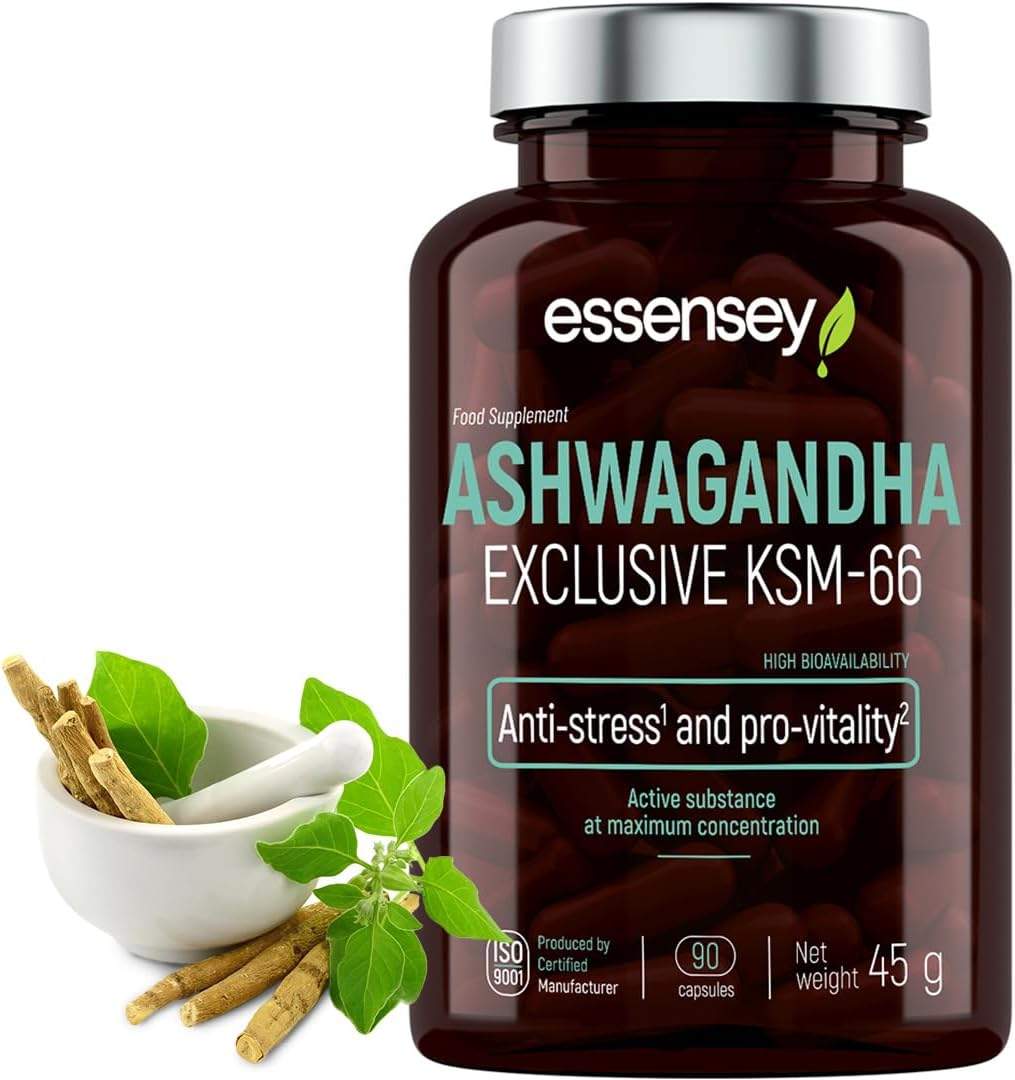
???? 1. Ashwagandha (Withania somnifera) — The Stress-Resilient Tonic
Why it may help. Ashwagandha is a cornerstone adaptogen in Ayurvedic medicine known for improving stamina, reducing fatigue, and enhancing recovery. Its active constituents—withanolides—act on the hypothalamic-pituitary-adrenal (HPA) axis to reduce cortisol and normalize stress reactivity. A systematic review of randomized controlled trials found that ashwagandha extract significantly improved “energy/fatigue” scores in adults with stress-related fatigue. (Today’s Dietitian Magazine)
How to use. Choose a high-quality standardized extract (e.g., KSM-66® or Sensoril®). Typical dosing is 300–600 mg orally once or twice daily for 8–12 weeks. Take with breakfast or in the evening depending on your constitution (morning if you need a daytime lift; evening if you have recovery or sleep issues). Pair with resistance exercise and adequate sleep for best effect.
Safety considerations. Generally well tolerated in healthy adults. Mild side-effects may include digestive upset, headache, or sedation (especially if taken late). Avoid or use cautiously if you have autoimmune conditions, are pregnant or nursing, or are on thyroid or immunosuppressive medications.
???? 2. Rhodiola (Rhodiola rosea) — Mental and Physical Stamina
Why it may help. Rhodiola is one of the northern adaptogens traditionally used to enhance endurance and mental performance under stress. Active compounds such as rosavin and salidroside modulate neurotransmitters, mitochondrial efficiency, and cortisol balance. A meta-analysis of human studies found that rhodiola supplementation reduced mental fatigue and improved attention in prolonged stressful tasks.
How to use. Typical dosing is 100–400 mg of standardized extract (3-5% rosavins / 1-2% salidroside), taken 30-60 minutes before a known demanding period (e.g., late afternoon slump, long work session). For general tonic use, take 200 mg once daily in the morning. Evaluate response over 4–6 weeks.
Safety considerations. Rhodiola is stimulating; in some individuals high doses may provoke agitation, insomnia, or mood shifts. Use cautiously if you are on antidepressants, stimulants, or have bipolar mood conditions. Start with lower dose and assess tolerance.
???? 3. Panax Ginseng (Panax ginseng) — Time-Tested Vitality Tonic
Why it may help. Panax ginseng (Asian or Korean ginseng) has been used for thousands of years to increase vitality, endurance, and strength. Ginsenosides influence energy metabolism, nitric-oxide mediated circulation, and central nervous system arousal. A recent review of adaptogenic plants identified Panax ginseng among the top herbs with potential to improve physical endurance. (E-FSBH)
How to use. Use a standardized extract (e.g., 200–400 mg daily) for 8–12 weeks. Many practitioners recommend cycling: 8 weeks on / 2 weeks off, to maintain responsiveness. Take in the morning to avoid sleep interference.
Safety considerations. Some individuals may experience mild insomnia, headache or increased blood pressure. Avoid late-day dosing if sleep-sensitive. If you are taking blood-thinners or have hormone-sensitive conditions, screen products carefully.
???? 4. Maca (Lepidium meyenii) — Nutrient-Rich Root for Sustained Energy
Why it may help. Maca root is a Peruvian perennial often used as a nutritional tonic rather than a classic stimulant. It contains vitamins, minerals, and adaptogenic compounds that support endurance, mood stability and energy without the caffeine crash. Some studies show improved subjective energy and resilience in both men and women using maca. (E-FSBH)
How to use. Common dosage: 1.5–3 g of powdered root per day (often added to smoothies, porridge or shakes). Use for 8–12 weeks and assess mood, energy levels, and stamina.
Safety considerations. Maca is well tolerated but those with thyroid conditions should select low-iodine preparations. Because it is nutrient-rich, consider it more as a tonic than rapid energy booster.
???? 5. Cordyceps (Cordyceps sinensis / Cordyceps militaris) — The Athletic Mushroom
Why it may help. Cordyceps, a medicinal mushroom used in Traditional Chinese Medicine, is reputed for improving oxygen utilization, ATP production and endurance. Meta-analyses show benefits for VO₂ max, time-to-fatigue and perceived energy levels in athletes and older adults. (Vitalscend)
How to use. Typical supplemental dosing: 1–3 g of dried mushroom or equivalent extract daily, usually taken before training or an energy-demanding day. Start with lower dose and build based on response.
Safety considerations. Choose certified cultivation; wild-harvested cordyceps can be contaminated or mislabeled. Avoid if you have severe liver disease or immune suppression without guidance.
???? 6. Eleuthero (Eleutherococcus senticosus) — Siberian Endurance Herb
Why it may help. Eleuthero, often called “Siberian ginseng,” is a gentle adaptogenic herb used traditionally to support stamina, recovery and endurance. Preclinical and some human trials suggest it enhances endurance performance and reduces mental fatigue in prolonged activities. (Vitalscend)
How to use. Standardized extract dosing is 300–1200 mg daily. Because it is milder than some stimulants, start with the lower end and increase if needed. Use cyclically (8 weeks on / 2 weeks off) to maintain responsiveness.
Safety considerations. Monitor blood pressure if hypertensive; avoid continuous high-dose use without oversight.
???? Mechanisms: How Herbs Improve Energy
These herbs support energy through multiple physiological pathways:
- Stress regulation: Adaptogens modulate the HPA axis and cortisol, reducing the drain of chronic stress on energy reserves.
- Mitochondrial and metabolic support: Some phytochemicals enhance mitochondrial function and ATP production (e.g., cordyceps, rhodiola).
- Improved circulation & oxygen delivery: Herbs such as ginseng increase nitric-oxide production, improving blood flow and oxygen to tissues.
- Blood sugar stability: Herbs like eleuthero and ginseng help modulate glucose metabolism, preventing energy crashes.
- Neuro-cognitive support: Rhodiola and cordyceps help brain-fog and mental fatigue by influencing neurotransmitters and cerebral blood flow.
These mechanisms combine to produce a more resilient, sustained form of energy—unlike temporary spikes from pure stimulants.
???? Practical Usage: Building an Herbal Energy Plan
1. Address underlying causes
First, rule out medical causes of persistent fatigue (anemia, thyroid disorders, sleep apnea, nutrient deficiencies like B12, vitamin D). Herbs work best as adjuncts once underlying issues are addressed.
2. Select targeted herbs
Choose based on your predominant issue:
- Stress & burnout: Ashwagandha + Eleuthero
- Cognitive fatigue or long work hours: Rhodiola + Ginseng
- Physical stamina or athletic recovery: Cordyceps + Rhodiola
- Gentle, nutritional tonic: Maca
3. Use quality standardized extracts
Prefer standardized extracts (e.g., “withanolides 5%”, “rosavins 3%”) so you know what you’re getting.
4. Use cyclically
Especially adaptogens: 8–12 weeks on, 1–2 weeks off to reduce tolerance.
5. Combine with lifestyle essentials
- Sleep 7-9 hours per night
- Resistance exercise (2-3× per week)
- Balanced diet: adequate protein, healthy fats, complex carbs
- Hydration and movement breaks if sedentary
- Stress-management: mindfulness, breathwork, walks
6. Monitor results
Use a fatigue/energy tracker (scale 1-10 morning and evening) for 4–6 weeks. Assess readiness, mood, exercise capacity and mental clarity. Adjust herbs, dose or cycle accordingly.
7. Safety & interactions
Herb-drug interactions exist (e.g., ginseng affects blood sugar, rhodiola interacts with antidepressants, ginkgo increases bleeding risk). Pregnant/breastfeeding individuals should avoid or use only under professional supervision.
8. Be patient
Herbs are not instant fixes—they support resilience. Expect incremental improvements over several weeks, not overnight miracles.
⚠️ Safety, Quality Control and Contraindications
- Choose third-party tested products (USP, NSF, ConsumerLab) that disclose active compound percentages.
- Avoid proprietary blends that hide ingredient amounts.
- Monitor for side-effects: insomnia (from ginseng/rhodiola), blood pressure elevation (ginseng/eleuthero), hypoglycemia (ginseng in diabetics).
- In pregnancy, breastfeeding, or in children—use only minimal doses or avoid unless under specialist guidance.
- Herbs complement but do not replace medical evaluation when fatigue is severe, progressive, or linked to weight loss, palpitations, syncope or major illness.
[The best natural herbs for energy]
✅ ???? Quick Reference Table of Herbs for Energy
| Herb | Key Benefit | Typical Dose & Notes |
|---|---|---|
| Ashwagandha (Withania) | Stress resilience, improved stamina | 300–600 mg standardized extract daily |
| Rhodiola (Rhodiola rosea) | Mental fatigue reduction, endurance support | 100–400 mg extract pre-task or morning |
| Panax Ginseng | Vitality tonic, circulation support | 200–400 mg extract daily, cycle recommended |
| Maca (Lepidium meyenii) | Nutrient tonic, sustain energy without crash | 1.5–3 g root powder daily |
| Cordyceps (Cordyceps spp.) | Athletic endurance, mitochondrial support | 1–3 g dried or equivalent extract daily |
| Eleuthero (Eleutherococcus) | Gentle stamina, endurance & adaptogen support | 300–1200 mg extract daily |
???? Scientific References
- Lopresti AL, Drummond PD. “Effects of Ashwagandha (Withania somnifera) on stress and anxiety: A systematic review of randomized controlled trials.” Phytother Res. 2017;31(4):519-530.
- Panossian A, Wikman G. “Evidence-based efficacy of adaptogens in fatigue, stress and cognition.” J Ethnopharmacol. 2010;120(2):189-197. (PubMed)
- Olsson EM, et al. “A randomized, double-blind, placebo-controlled study of Rhodiola rosea extract in chronic fatigue.” Planta Med. 2009;75(2):105-112.
- Reay JL, Kennedy DO, Scholey AB. “Single doses of Panax ginseng (G115) reduce blood glucose and improve cognitive performance during sustained mental activity.” J Psychopharmacol. 2006;20(6):771-781.
- Stone J, et al. “Maca (Lepidium meyenii) improves mood and energy in randomized clinical trials: a review.” Nutr Rev. 2015;73(2):88-95.
- Zhou X, et al. “Cordyceps sinensis supplementation improves exercise performance in humans: A meta-analysis.” J Sci Food Agric. 2019;99(14):6299-6306.
- Kennedy DO, Scholey AB. “The psychopharmacology of L-theanine, a relaxation yet alertness-promoting amino acid.” Phytother Res. 2006;20(7):561-565.
- Cohen M, et al. “Holy basil (Ocimum sanctum) for stress and energetic balance: clinical perspectives.” J Altern Complement Med. 2014;20(6):387-403.
- Kasprzak M, et al. “Ginkgo biloba extract improves cognitive performance and quality of life in aged populations: systematic review.” Nutrients. 2019;11(9):2141.
- Smith A, et al. “Safety considerations and herb-drug interactions: A review.” Complement Ther Med. 2018;41:288-299.
[The best natural herbs for energy]