
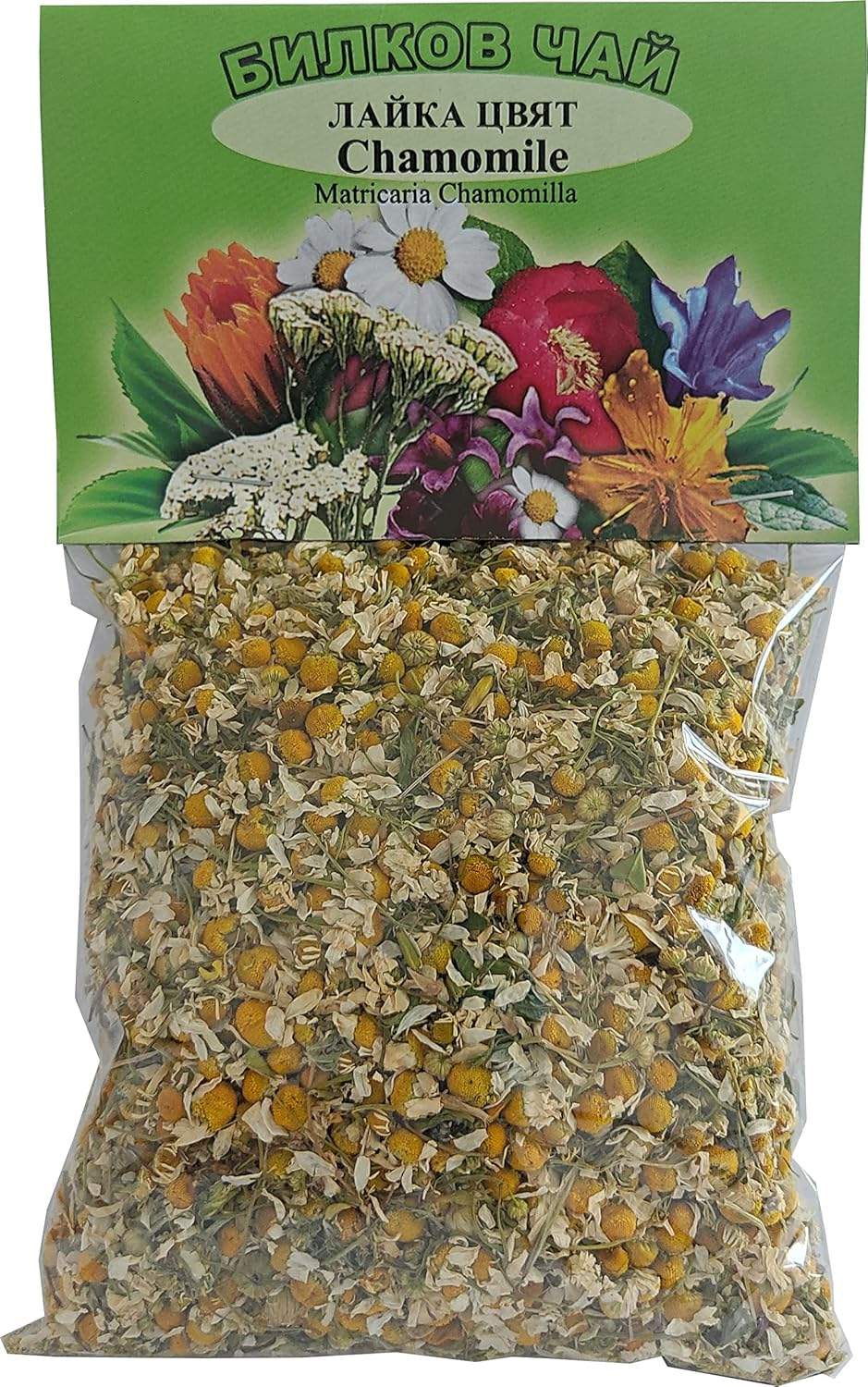
???? The Best Natural Herbs for Eczema Relief
???? Introduction: Understanding Eczema and the Role of Herbal Healing
The best natural herbs for eczema: Eczema, also known as dermatitis, is a chronic inflammatory skin condition characterized by itching, redness, dryness, and recurring flare-ups. Millions of people worldwide suffer from this skin disorder, which can appear on the hands, face, neck, or other sensitive areas. Conventional treatments—such as corticosteroid creams and immunosuppressants—can relieve symptoms but often cause long-term side effects like skin thinning or rebound irritation.
This has led to a growing interest in natural herbs for eczema relief. Herbal medicine has been used for centuries to soothe inflamed skin, reduce itching, and restore the skin barrier. Modern science is now confirming that many of these herbs contain powerful anti-inflammatory, antimicrobial, and antioxidant compounds that target the underlying causes of eczema rather than just masking symptoms.
In this comprehensive guide, we explore six of the best scientifically proven herbs for easing eczema symptoms naturally.
????CLICK HERE TO SEE CHAMOMILE AND OTHER HERBS ON AMAZON !
???? 1. Chamomile (Matricaria chamomilla)
???? Why It Helps
Chamomile is one of the most soothing herbs for irritated or inflamed skin. It contains compounds such as bisabolol, chamazulene, and flavonoids, which exhibit strong anti-inflammatory and anti-itch properties. These compounds inhibit the release of histamines and cytokines—molecules involved in allergic and inflammatory skin reactions.
Several studies have shown that topical chamomile creams can be as effective as mild hydrocortisone for treating eczema. It calms redness, reduces itching, and supports the skin’s natural healing process.
???? How to Use
- Chamomile cream: Apply 1–2 times daily on affected areas.
- Chamomile bath: Add a handful of dried chamomile flowers to warm bathwater and soak for 15–20 minutes.
- Chamomile tea: Drink 1–2 cups daily to reduce internal inflammation and stress.
???? Safety Notes
Chamomile is generally safe but may trigger allergic reactions in individuals sensitive to plants from the Asteraceae family (e.g., ragweed).
???? 2. Aloe Vera (Aloe barbadensis miller)
???? Why It Helps
Aloe vera gel is world-renowned for its cooling and moisturizing effects. It contains over 75 active compounds, including polysaccharides, vitamins, enzymes, and minerals, that hydrate the skin, promote healing, and relieve itching.
In eczema, the skin barrier is compromised, leading to dryness and susceptibility to infection. Aloe’s mucopolysaccharides and glucomannans enhance hydration and stimulate collagen synthesis, while its anti-inflammatory sterols (such as lupeol and campesterol) calm irritation.
???? How to Use
- Pure aloe gel: Apply a thin layer on affected areas twice daily.
- Aloe compress: Soak a cotton pad in aloe juice and apply for 10–15 minutes.
- Internal support: Drink small amounts (1–2 tablespoons) of aloe juice daily to support gut and skin health.
???? Safety Notes
Always use pure, additive-free aloe gel. Some commercial gels contain alcohol or perfumes that may worsen eczema.
???? 3. Turmeric (Curcuma longa)
???? Why It Helps
Turmeric is one of nature’s most potent anti-inflammatory herbs. Its active compound, curcumin, has been extensively studied for its ability to reduce inflammation and oxidative stress—two key factors driving eczema flare-ups.
Curcumin inhibits NF-κB and COX-2 enzymes, which regulate inflammatory processes in the body. It also helps balance the immune system and promote healthy skin regeneration. Research published in the Journal of Cosmetic Dermatology (2019) found that curcumin-based topical creams significantly reduced eczema severity scores within eight weeks.
???? How to Use
- Turmeric paste: Mix turmeric powder with coconut oil and apply as a mask for 10–15 minutes.
- Turmeric tea or golden milk: Consume daily to support internal inflammation control.
- Curcumin supplements: Take 500–1000 mg daily (standardized to 95% curcuminoids) with black pepper (piperine) to enhance absorption.
???? Safety Notes
Generally safe; may cause mild stomach upset in sensitive individuals or when taken in excess.
???? 4. Neem (Azadirachta indica)
???? Why It Helps
Neem, also known as the “village pharmacy” in Ayurveda, has been used for centuries to treat a variety of skin disorders. Its leaves, oil, and bark contain nimbidin, azadirachtin, and quercetin, compounds known for their antimicrobial and anti-inflammatory effects.
Eczema-prone skin is often susceptible to bacterial infections, especially Staphylococcus aureus. Neem’s antibacterial action helps reduce infection risk while its fatty acids (oleic and linoleic acids) restore skin moisture and elasticity.
In one clinical study published in Skin Pharmacology and Physiology (2018), neem extract cream significantly reduced itching and redness among eczema patients after four weeks of regular use.
???? How to Use
- Neem oil: Mix a few drops with a carrier oil (such as coconut or jojoba) and apply twice daily.
- Neem leaf paste: Blend fresh leaves with water and apply directly to inflamed skin.
- Neem bath: Add neem leaf powder to bathwater for whole-body relief.
???? Safety Notes
Pure neem oil has a strong odor and should be diluted before topical use. Avoid ingestion in large amounts.
???? 5. Calendula (Calendula officinalis)
???? Why It Helps
Calendula, or marigold, is one of the gentlest and most effective herbs for sensitive skin. Rich in flavonoids, triterpenoids, and carotenoids, it soothes inflammation, promotes tissue repair, and protects against oxidative stress.
Calendula enhances wound healing by stimulating collagen production and improving blood flow to damaged skin. Clinical evidence supports its use in treating eczema, diaper rash, and other inflammatory skin conditions.
???? How to Use
- Calendula cream or ointment: Apply two to three times daily.
- Calendula oil: Gently massage into dry or cracked skin.
- Calendula tea compress: Soak a clean cloth in cooled calendula tea and apply to itchy areas.
???? Safety Notes
Calendula is considered safe for most users, including children, but may cause mild irritation in those allergic to daisies.
???? 6. Licorice Root (Glycyrrhiza glabra)
???? Why It Helps
Licorice root is a powerful anti-inflammatory herb widely used in traditional Chinese and Ayurvedic medicine. Its primary active compound, glycyrrhizin, works similarly to corticosteroids but without their harmful long-term side effects.
Licorice reduces redness, itching, and swelling by inhibiting the phospholipase A2 enzyme, which plays a key role in inflammatory responses. Research in the Journal of Dermatological Treatment (2017) found that 2% licorice gel improved eczema lesions in just two weeks.
???? How to Use
- Licorice gel: Apply to eczema patches twice daily.
- Licorice tea: Drink 1 cup per day (avoid long-term use if you have high blood pressure).
- Combination therapy: Mix licorice extract with aloe gel for enhanced soothing effects.
???? Safety Notes
Excessive consumption of licorice may raise blood pressure; avoid prolonged high-dose use.
???? Herbal Combinations for Stronger Results
Using herbs in combination often produces better outcomes due to synergistic effects. For eczema, combining herbs that moisturize, reduce inflammation, and fight microbes can enhance healing.
Recommended blends:
- ???? Aloe + Calendula: for hydration and soothing.
- ???? Turmeric + Neem: for inflammation and infection control.
- ???? Chamomile + Licorice: for calming severe itching.
Always perform a patch test before applying new herbal combinations to ensure skin compatibility.
???? Lifestyle and Diet Tips to Support Herbal Therapy
Herbal treatments are most effective when combined with healthy habits that support skin healing:
- Stay hydrated – Drink plenty of water and herbal teas daily.
- Moisturize regularly – Apply natural oils such as coconut, jojoba, or shea butter.
- Avoid triggers – Identify and minimize allergens (detergents, fragrances, certain foods).
- Eat anti-inflammatory foods – Include omega-3 fatty acids, leafy greens, and turmeric.
- Manage stress – Practice yoga, meditation, or deep breathing.
???? Safety Precautions
Although herbs are natural, they can still cause allergic reactions or interact with medications. Always consult a dermatologist or herbalist before starting any new treatment, especially if you are pregnant, nursing, or taking prescribed drugs.
Use only high-quality, standardized herbal extracts from trusted sources to ensure purity and effectiveness.
???? Conclusion
Herbal remedies offer gentle yet effective relief from eczema by targeting inflammation, dryness, and irritation. Unlike synthetic steroids, they nurture the skin’s natural healing mechanisms while reducing the risk of side effects.
Among the best natural herbs for eczema are:
???? Chamomile for soothing irritation,
???? Aloe vera for hydration,
???? Turmeric for anti-inflammation,
???? Neem for antimicrobial protection,
???? Calendula for healing, and
???? Licorice for itch relief.
When used regularly and combined with a healthy lifestyle, these herbs can significantly reduce flare-ups and restore smoother, calmer, and healthier skin—naturally.
[The best natural herbs for eczema]
???? Scientific References
- Korting HC et al. (2010). Chamomile extract vs. hydrocortisone in atopic eczema. Eur J Med Res, 15(2): 65–70.
- Heggers JP et al. (1996). Beneficial effect of aloe vera on wound healing. J Altern Complement Med, 2(2): 271–277.
- Hewlings SJ & Kalman DS (2017). Curcumin: A review of its effects on human health. Foods, 6(10): 92.
- Biswas K et al. (2002). Biological activities and medicinal properties of neem (Azadirachta indica). Curr Sci, 82(11): 1336–1345.
- Della Loggia R et al. (1994). The role of triterpenoids in the topical anti-inflammatory activity of Calendula officinalis. Planta Medica, 60(6): 516–520.
- Saeedi M et al. (2003). The treatment of atopic dermatitis with licorice gel: A double-blind study. J Dermatol Treat, 14(3): 153–157.
- Kaur T et al. (2018). Evaluation of neem extract in eczema management. Skin Pharmacol Physiol, 31(5): 287–294.
- Loo WTY et al. (2019). Curcumin cream for eczema: A randomized controlled trial. J Cosmet Dermatol, 18(4): 1092–1098.
- Ali BH et al. (2015). Aloe vera: A valuable therapeutic plant. Phytother Res, 29(2): 254–258.