
????????️ The Best Natural Herbs for Eye Health: A Complete Guide to Brighter Vision
The best natural herbs for eye health: Maintaining strong and healthy vision has become more important than ever in our modern world, where screens dominate daily life and environmental toxins increase oxidative stress on the eyes. Eye health is not only essential for sight but also for overall quality of life. While regular eye exams, a balanced diet, and protective habits are crucial, nature also provides powerful allies in the form of herbs. These natural remedies can reduce inflammation, support circulation, combat oxidative damage, and strengthen the delicate tissues of the eyes.
In this article, we will explore the best natural herbs for eye health, their traditional uses, modern scientific evidence, and how you can incorporate them into your daily routine. ????
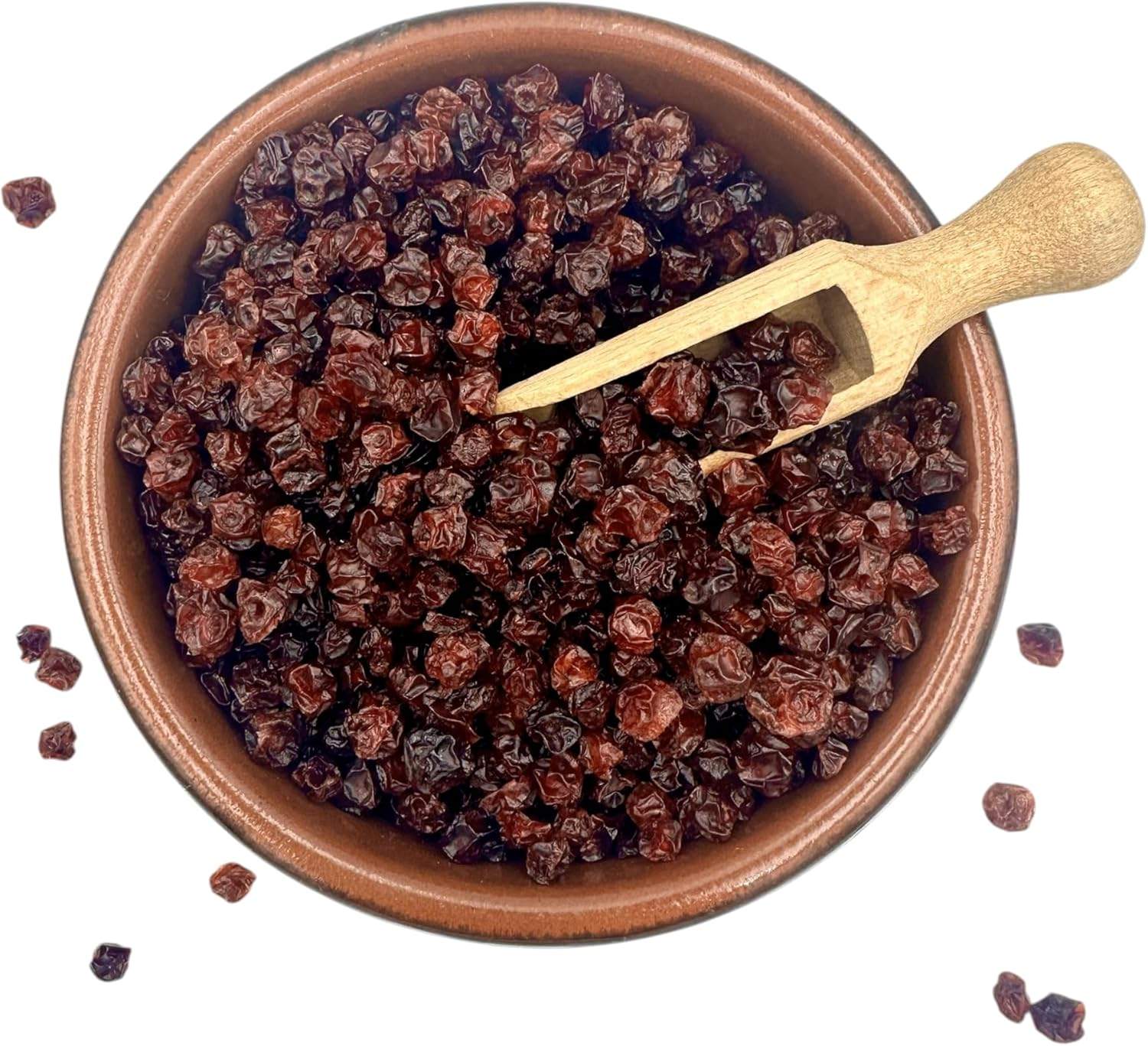
???? CLICK HERE TO SEE THE UNIQUE COLLECTION OF BILBERRY !
???? Why Focus on Herbal Remedies for Eye Health?
The eyes are highly sensitive organs, vulnerable to oxidative stress, inflammation, and poor circulation. Over time, these factors may lead to common eye conditions such as:
- ????️ Age-related macular degeneration (AMD)
- ????️ Cataracts
- ????️ Glaucoma
- ????️ Diabetic retinopathy
- ????️ Dry eye syndrome
Herbs are rich in antioxidants, carotenoids, flavonoids, and minerals that nourish the eyes, improve blood flow, and reduce oxidative damage. Several herbs have been used in Ayurveda, Traditional Chinese Medicine (TCM), and European herbal medicine for centuries to protect and enhance vision.
???? Top Natural Herbs for Eye Health
1. ???? Bilberry (Vaccinium myrtillus)
Bilberry is one of the most famous herbs for eye health. Rich in anthocyanins (powerful antioxidants), bilberry supports capillary health and reduces oxidative damage to the retina.
✅ Benefits for Eye Health:
- Improves night vision and adaptation to darkness.
- Reduces retinal inflammation and oxidative stress.
- May slow the progression of macular degeneration.
- Supports circulation in the tiny blood vessels of the eyes.
???? Scientific Evidence:
Research suggests that bilberry extract can improve contrast sensitivity and reduce visual fatigue, especially in people exposed to screens (Kalt et al., 2020, Nutrients). Another study confirmed bilberry’s role in preventing oxidative stress in ocular tissues (Canter & Ernst, 2002, Alternative Medicine Review).
???? How to Use:
Bilberry is available as capsules, extracts, or teas. Standardized extracts with 25% anthocyanidins are considered most effective.
2. ???? Ginkgo Biloba (Ginkgo biloba)
Ginkgo biloba is a traditional Chinese herb well-known for its ability to improve circulation and oxygen delivery. Since the eyes rely heavily on microcirculation, ginkgo is an important ally for visual health.
✅ Benefits for Eye Health:
- Enhances blood flow to the retina and optic nerve.
- Provides neuroprotective effects, helping in glaucoma.
- Rich in flavonoids and terpenoids, powerful antioxidants that protect eye cells.
???? Scientific Evidence:
Studies have shown that ginkgo extract may help slow vision loss in patients with normal-tension glaucoma (Quaranta et al., 2010, Ophthalmology). Animal studies also confirm its ability to protect retinal cells from oxidative damage.
???? How to Use:
Standardized Ginkgo biloba extract (EGb 761) is commonly used at doses of 120–240 mg daily.
3. ???? Eyebright (Euphrasia officinalis)
As the name suggests, eyebright has been used for centuries in European herbal medicine to treat eye problems.
✅ Benefits for Eye Health:
- Reduces eye irritation, redness, and conjunctivitis.
- Relieves symptoms of allergies and eye strain.
- Contains tannins and flavonoids that soothe inflammation.
???? Scientific Evidence:
Clinical research has shown that eyebright extracts can help manage eye inflammation and conjunctivitis (Stoss, 2000, Phytotherapy Research).
???? How to Use:
Eyebright is available as tea, tinctures, or eye drops. Herbalists traditionally use it as a compress for tired or red eyes.
4. ???? Turmeric (Curcuma longa)
Turmeric, the golden spice, contains curcumin, a potent anti-inflammatory and antioxidant compound.
✅ Benefits for Eye Health:
- Reduces oxidative stress in the retina.
- May help slow the progression of cataracts.
- Provides protection against diabetic retinopathy.
???? Scientific Evidence:
Curcumin has been studied for its ability to protect retinal cells from oxidative injury and reduce inflammation (Mishra & Palanivelu, 2008, Advances in Experimental Medicine and Biology). Another study showed curcumin’s potential in preventing retinal degeneration in diabetic models.
???? How to Use:
Turmeric can be consumed as powder, capsules, or teas, often combined with black pepper (piperine) to enhance absorption.
5. ???? Saffron (Crocus sativus)
Saffron, one of the most valuable spices in the world, is also a remarkable herb for eye health.
✅ Benefits for Eye Health:
- Improves visual function in macular degeneration.
- Rich in carotenoids (crocin and crocetin) that protect retinal cells.
- Enhances oxygen supply to the retina.
???? Scientific Evidence:
A landmark study found that saffron supplementation improved retinal sensitivity in patients with early age-related macular degeneration (AMD) (Falsini et al., 2010, Investigative Ophthalmology & Visual Science).
???? How to Use:
Saffron can be added to teas, warm milk, or capsules. Standardized extracts with 30 mg daily are often used in clinical research.
???? Other Helpful Herbs for Eye Health
Besides the top 5 herbs, several others contribute to strong vision:
- ???? Green Tea (Camellia sinensis): Rich in catechins, protects against oxidative stress.
- ???? Chamomile (Matricaria chamomilla): Calms eye irritation and inflammation.
- ???? Milk Thistle (Silybum marianum): Supports liver detoxification, indirectly benefiting eye health.
- ???? Amla (Indian Gooseberry): A rich source of vitamin C, crucial for collagen in eye tissues.
???? How to Incorporate These Herbs Safely
While herbs are powerful, they should be used responsibly:
- Consult an eye specialist or herbalist before starting supplements.
- Choose high-quality standardized extracts for consistency.
- Combine herbs with a healthy lifestyle: balanced diet, reduced screen time, UV protection.
- Avoid self-medicating for serious eye conditions like glaucoma or macular degeneration.
????️ Lifestyle Habits That Support Eye Health
Along with herbs, consider these lifestyle practices:
- ???? Eat a diet rich in leafy greens, carrots, and omega-3s.
- ????️ Protect eyes from UV radiation with sunglasses.
- ???? Stay hydrated to reduce dry eye symptoms.
- ????️ Follow the 20-20-20 rule for screen use (every 20 minutes, look at something 20 feet away for 20 seconds).
- ???? Ensure enough restful sleep.
???? Conclusion
Herbs like bilberry, ginkgo, eyebright, turmeric, and saffron are among nature’s most powerful remedies for preserving vision and protecting against age-related eye diseases. Combined with a healthy diet and lifestyle, these natural allies can help maintain bright, clear, and strong eyesight for years to come.
By integrating these herbs into your daily routine with proper guidance, you may significantly improve eye resilience and overall wellness. ????????️????
[The best natural herbs for eye health]
???? Scientific References
- Kalt, W. et al. (2020). Anthocyanins and visual function. Nutrients.
- Canter, P.H., & Ernst, E. (2002). Anthocyanosides of Vaccinium myrtillus (bilberry) for night vision. Alternative Medicine Review.
- Quaranta, L. et al. (2010). Effects of Ginkgo biloba in glaucoma patients. Ophthalmology.
- Stoss, M. (2000). Eyebright in ophthalmic disorders. Phytotherapy Research.
- Mishra, S., & Palanivelu, K. (2008). The effect of curcumin on eye diseases. Advances in Experimental Medicine and Biology.
- Falsini, B. et al. (2010). Saffron in early age-related macular degeneration. Investigative Ophthalmology & Visual Science.