
???? The Best Natural Herbs for Cough Treatment : The Absolute Guide ????
Introduction
The best natural herbs for cough treatment: Cough is one of the most common symptoms affecting people worldwide, often caused by respiratory infections, allergies, asthma, smoking, or chronic conditions like bronchitis. While conventional medicine provides effective treatments, many individuals turn to natural remedies—especially herbs—for relief. Herbal medicine has been used for centuries to soothe irritated throats, reduce inflammation, and strengthen the respiratory system.
In this article, we will explore the best natural herbs for cough treatment, supported by both traditional use and modern scientific evidence. We’ll also highlight how each herb works, the active compounds involved, and what clinical research reveals about their effectiveness.
???? CLICK HERE TO SEE THE UNIQUE COLLECTION OF THYME !
???? 1. Licorice Root (Glycyrrhiza glabra)
Licorice root is one of the most famous herbal remedies for cough and sore throat. Its sweet-tasting compounds coat the mucous membranes of the throat, providing soothing relief.
???? How it works
Licorice contains glycyrrhizin, a compound known for its anti-inflammatory and antimicrobial properties. It reduces irritation in the airways and helps the body expel mucus (expectorant effect).
???? Scientific evidence
Studies published in the Journal of Ethnopharmacology show that licorice extracts exhibit significant antitussive (cough-suppressing) effects and inhibit airway inflammation (Wang et al., 2015).
???? Tip: Licorice tea or lozenges can be effective for soothing persistent cough. However, it should be avoided in excess by individuals with high blood pressure due to its effect on sodium retention.
???? 2. Thyme (Thymus vulgaris)
Thyme is widely used in European herbal medicine as a treatment for respiratory ailments, including cough, bronchitis, and sore throat.
???? How it works
Thyme contains thymol and carvacrol, natural compounds with antimicrobial, antispasmodic, and anti-inflammatory effects. These compounds relax the tracheal muscles, making breathing easier.
???? Scientific evidence
A clinical trial published in Phytomedicine demonstrated that a combination of thyme and ivy leaf extract significantly reduced cough frequency and severity compared to placebo (Kemmerich, 2006).
???? Tip: Thyme tea or thyme-based syrups are often used as a home remedy for coughs, especially in cases of bronchitis.
???? 3. Marshmallow Root (Althaea officinalis)
Not to be confused with the sugary sweet, marshmallow root is a traditional herb with strong demulcent properties, meaning it coats and soothes mucous membranes.
???? How it works
Marshmallow root is rich in mucilage, a gel-like substance that forms a protective layer over the throat, reducing irritation and suppressing dry cough.
???? Scientific evidence
A study published in Complementary Medicine Research showed that marshmallow extracts can help relieve dry cough by soothing irritated tissues (Wegener, 2010).
???? Tip: Marshmallow tea or syrups can be taken at bedtime to reduce night coughing.
???? 4. Ginger (Zingiber officinale)
Ginger has been used in Ayurvedic and Chinese medicine for centuries to treat respiratory conditions, including cough and sore throat.
???? How it works
Ginger contains gingerols and shogaols, compounds that act as natural anti-inflammatories and bronchodilators. They help relax airway muscles and reduce irritation.
???? Scientific evidence
Research published in the American Journal of Respiratory Cell and Molecular Biology confirmed that ginger compounds relax smooth muscles in the airways, which can help reduce cough and improve breathing (Townsend et al., 2013).
???? Tip: Fresh ginger tea with honey and lemon is a powerful home remedy for cough.
???? 5. Peppermint (Mentha × piperita)
Peppermint is another well-known herb with significant benefits for respiratory health.
???? How it works
Peppermint contains menthol, which acts as a natural decongestant, soothing the throat and loosening mucus. It also provides a cooling sensation that reduces throat irritation.
???? Scientific evidence
Studies have shown that menthol improves nasal airflow and has mild antitussive effects, making it useful for cough relief (Eccles, 2003).
???? Tip: Peppermint tea or steam inhalation with peppermint essential oil can be particularly effective for coughs associated with colds.
???? 6. Eucalyptus (Eucalyptus globulus)
Eucalyptus leaves and oil are often found in cough lozenges and vapor rubs due to their strong expectorant properties.
???? How it works
The active compound eucalyptol (cineole) reduces mucus and eases breathing by acting on the respiratory tract.
???? Scientific evidence
Clinical studies published in Respiratory Medicine suggest that cineole is effective in reducing cough frequency and improving respiratory symptoms in bronchitis patients (Worth & Dethlefsen, 2012).
???? Tip: Eucalyptus steam inhalation helps relieve congestion and suppress cough.
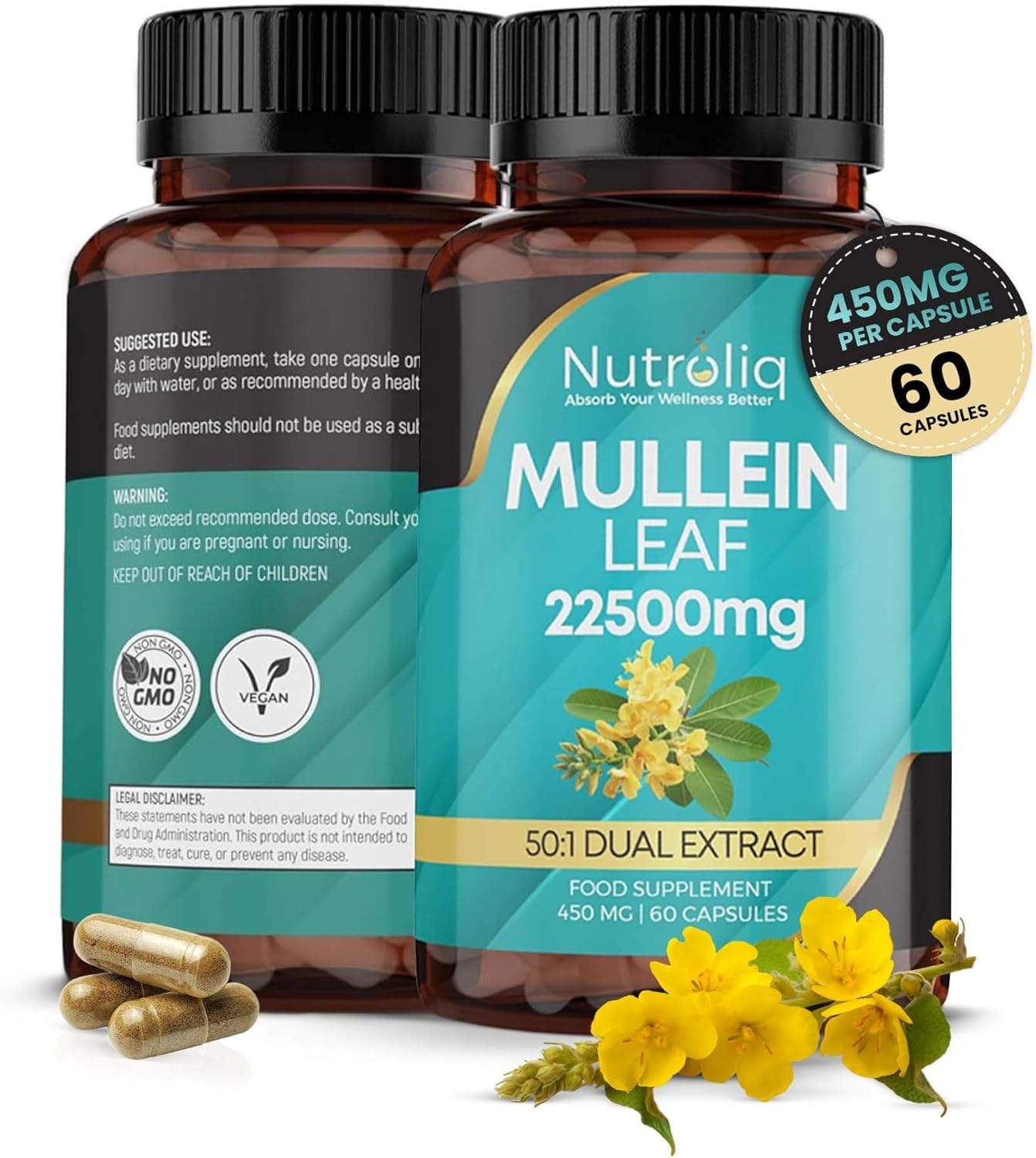
???? 7. Mullein (Verbascum thapsus)
Mullein is a lesser-known herb but widely respected in folk medicine for cough treatment.
???? How it works
Mullein leaves contain saponins that act as natural expectorants, helping expel mucus from the lungs. Its soothing properties also reduce throat irritation.
???? Scientific evidence
Herbal medicine reviews confirm mullein’s effectiveness in respiratory disorders such as cough and bronchitis (Blumenthal et al., Herbal Medicine Expanded Commission E Monographs, 2000).
???? Tip: Mullein tea can be taken daily during cough episodes.
???? Safety Considerations
While herbs provide effective natural relief, it’s important to use them safely:
- Avoid excessive use of licorice in patients with hypertension.
- Peppermint and eucalyptus essential oils should not be ingested directly.
- Pregnant or breastfeeding women should consult their doctor before using herbal remedies.
???? Conclusion
Herbs like licorice root, thyme, marshmallow root, ginger, peppermint, eucalyptus, and mullein provide natural, evidence-based relief for cough. They work through multiple mechanisms—soothing mucous membranes, reducing inflammation, loosening mucus, and relaxing airway muscles.
Incorporating these herbs in teas, syrups, or inhalations can support conventional treatments and help manage cough naturally.
???? Scientific References
- Wang, Z., et al. (2015). Journal of Ethnopharmacology – Antitussive effects of Glycyrrhiza glabra.
- Kemmerich, B. (2006). Phytomedicine – Efficacy of thyme and ivy leaf extract for cough.
- Wegener, T. (2010). Complementary Medicine Research – Marshmallow root in dry cough treatment.
- Townsend, E. A., et al. (2013). Am J Respir Cell Mol Biol – Ginger compounds as bronchodilators.
- Eccles, R. (2003). Respiratory Physiology & Neurobiology – Menthol and respiratory function.
- Worth, H., & Dethlefsen, U. (2012). Respiratory Medicine – Eucalyptol in bronchitis treatment.
- Blumenthal, M., et al. (2000). Herbal Medicine Expanded Commission E Monographs – Mullein in respiratory health.