
???? The Best Natural Herbs for Dizziness and Vertigo Treatment: The Absolute Guide ????
Introduction
The best natural herbs for diziness and vertigo treatment: Dizziness and vertigo are common symptoms that can significantly impact daily life. They may result from inner ear disorders, vestibular dysfunction, circulatory problems, migraines, or neurological issues. While conventional medicine addresses underlying causes with medication and therapy, many people seek natural remedies to reduce symptoms and improve balance.
Herbal medicine has long been used to treat dizziness and vertigo, offering gentle yet effective support for the nervous and circulatory systems. In this article, we’ll explore the best natural herbs for dizziness and vertigo treatment, highlighting their mechanisms, scientific evidence, and traditional use.
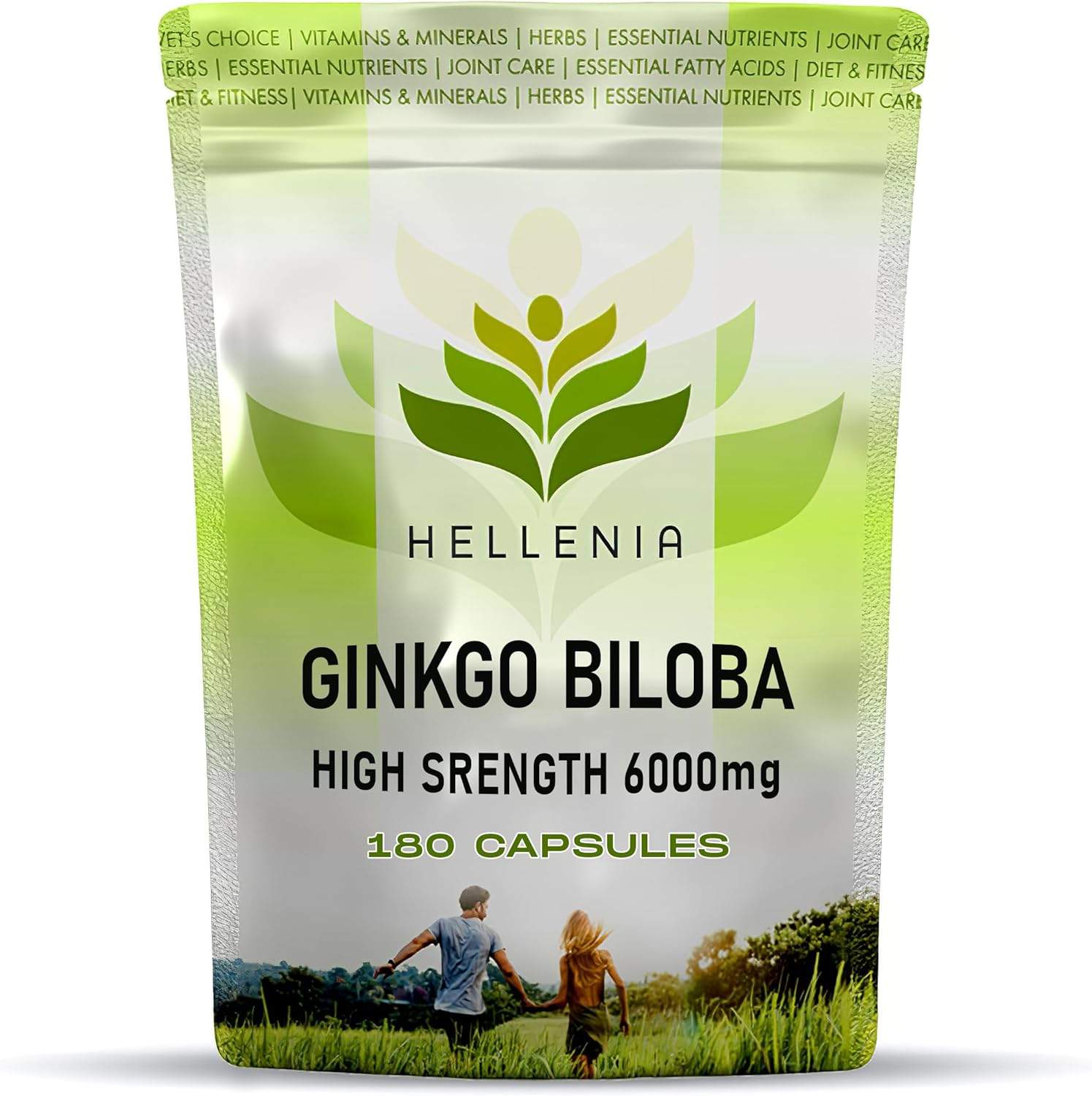
????CLICK HERE TO SEE THE UNIQUE COLLECTION OF GINKGO BILOBA !
???? 1. Ginkgo Biloba
???? How it works
Ginkgo biloba improves blood flow to the brain and inner ear, supporting oxygen delivery and reducing symptoms of vertigo.
???? Scientific evidence
A systematic review in the Cochrane Database found that ginkgo extract may be as effective as conventional medication (betahistine) in reducing vertigo episodes (Hilton & Stuart, 2014).
???? Tip: Standardized ginkgo biloba extract (EGb 761) is often used in capsule form.
???? 2. Ginger (Zingiber officinale)
???? How it works
Ginger reduces nausea and dizziness through its anti-inflammatory and antiemetic properties.
???? Scientific evidence
A randomized controlled trial in the Journal of Alternative and Complementary Medicine demonstrated that ginger powder significantly reduced vertigo symptoms compared to placebo (Dai et al., 2013).
???? Tip: Fresh ginger tea or capsules are effective for motion sickness and vertigo-related nausea.
???? 3. Lemon Balm (Melissa officinalis)
???? How it works
Lemon balm calms the nervous system, reduces anxiety, and helps with dizziness caused by stress or tension.
???? Scientific evidence
Research in Phytotherapy Research shows that lemon balm extract has anxiolytic and neuroprotective effects, which may indirectly reduce dizziness (Cases et al., 2011).
???? Tip: Lemon balm tea or tinctures are commonly used to ease mild vertigo and calm the mind.
???? 4. Peppermint (Mentha × piperita)
???? How it works
Peppermint contains menthol, which provides a cooling effect, improves blood circulation, and reduces nausea associated with vertigo.
???? Scientific evidence
Studies on peppermint essential oil have demonstrated benefits in reducing nausea and improving alertness (Hines et al., Journal of Holistic Nursing, 2018).
???? Tip: Peppermint tea or aromatherapy with peppermint oil may ease dizziness symptoms.
???? 5. Turmeric (Curcuma longa)
???? How it works
Turmeric contains curcumin, a powerful antioxidant and anti-inflammatory compound that supports vascular health and reduces oxidative stress, both of which are linked to dizziness.
???? Scientific evidence
Research in the International Journal of Neuroscience shows that curcumin improves circulation and has protective effects on brain health (Mishra & Palanivelu, 2008).
???? Tip: Turmeric can be consumed as tea, golden milk, or capsules for long-term support.
???? Safety Considerations
- Ginkgo may interact with blood thinners—consult a healthcare professional before use.
- Ginger should be used cautiously in those with gallstones or on anticoagulant therapy.
- Essential oils (like peppermint) should not be ingested directly.
- Pregnant and breastfeeding women should consult their doctor before using herbal remedies.
???? Conclusion
Herbs such as ginkgo biloba, ginger, lemon balm, peppermint, and turmeric provide natural support for managing dizziness and vertigo. Their combined effects on circulation, inflammation, and the nervous system make them effective complementary therapies.
Incorporating these herbs as teas, capsules, or aromatherapy can improve balance, reduce nausea, and enhance overall well-being.
???? Scientific References
- Hilton, M., & Stuart, E. (2014). Cochrane Database of Systematic Reviews – Ginkgo biloba for tinnitus and vertigo.
- Dai, W., et al. (2013). J Altern Complement Med – Ginger powder in vertigo treatment.
- Cases, J., et al. (2011). Phytother Res – Lemon balm extract in anxiety and neurological health.
- Hines, S., et al. (2018). Journal of Holistic Nursing – Peppermint oil in nausea management.
- Mishra, S., & Palanivelu, K. (2008). Int J Neurosci – Curcumin’s role in brain health and circulation.
[The best natural herbs for diziness and vertigo treatment]