
???? 5 Top Natural Herbs for Alcohol Withdrawal: A Complete Guide to Natural Recovery
???? Introduction: Alcohol Withdrawal and the Role of Herbal Medicine
5 top natural herbs for alcohol withdrawal: Alcohol withdrawal is a serious condition that can occur when a person who has been drinking heavily for an extended period suddenly reduces or stops alcohol consumption. The symptoms can range from mild anxiety and irritability to severe tremors, hallucinations, and even life-threatening seizures (Mayo Clinic, 2022). Conventional medical treatments often include medications such as benzodiazepines, but many individuals also look toward natural herbs to support the body and mind during this difficult process.
It is important to emphasize that alcohol withdrawal should always be managed under professional medical supervision, as complications can be severe. However, certain herbs may complement medical care by easing symptoms, reducing cravings, protecting the liver, and stabilizing mood.
In this article, we will explore five scientifically studied herbs that may play a supportive role in alcohol withdrawal and recovery.
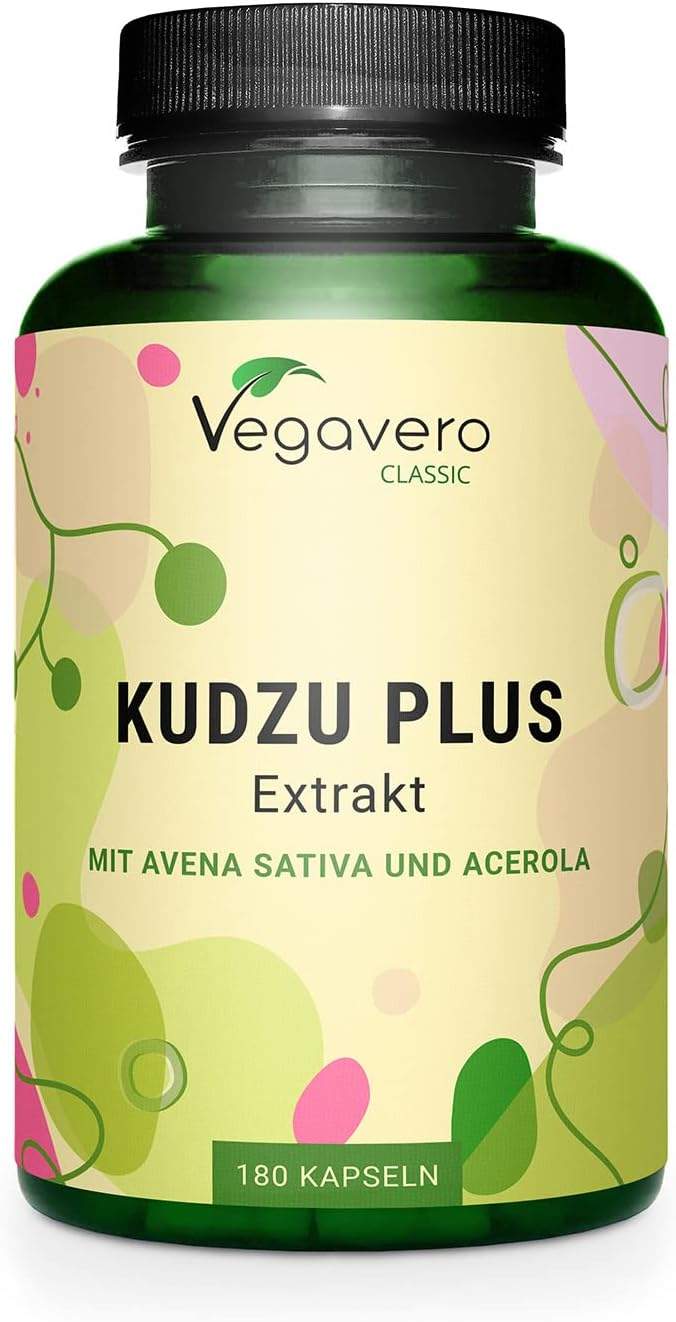
????CLICK HERE TO SEE THE UNIQUE COLLECTION OF KUDZU ROOT !
???? Herb #1: Kudzu Root (Pueraria lobata)
???? What is Kudzu?
Kudzu root, a traditional Chinese medicinal herb, has been used for centuries to treat alcohol-related issues. It contains isoflavones such as puerarin, daidzin, and daidzein, which have been linked to reducing alcohol cravings.
???? Scientific Evidence
A study from Harvard Medical School found that kudzu extract reduced alcohol intake among heavy drinkers without affecting mood or causing side effects (Lukas et al., 2005). Researchers believe kudzu slows the metabolism of alcohol, making individuals feel its effects faster and reducing the desire to drink more.
???? Benefits for Alcohol Withdrawal
- Reduces alcohol cravings
- May help lower binge drinking episodes
- Supports liver health by reducing oxidative stress
???? How to Use
Kudzu is available in capsules, powders, and teas. Standardized extracts (containing puerarin) are often recommended for consistent results.
⚠️ Note: Kudzu may interact with certain medications (like blood thinners), so always consult a healthcare provider before use.
???? Herb #2: Milk Thistle (Silybum marianum)
???? What is Milk Thistle?
Milk thistle is one of the most famous liver-supporting herbs. Its active compound, silymarin, has antioxidant and anti-inflammatory properties that protect liver cells from damage caused by alcohol.
???? Scientific Evidence
Research shows that silymarin helps regenerate liver tissue and reduce inflammation caused by alcohol abuse (Federico et al., 2017). This makes it particularly valuable for individuals whose alcohol withdrawal is accompanied by liver damage.
???? Benefits for Alcohol Withdrawal
- Protects and regenerates liver cells
- Reduces oxidative stress caused by alcohol
- Improves digestion and detoxification
???? How to Use
Milk thistle can be taken as capsules, liquid extract, or herbal tea. A typical dosage ranges from 200–400 mg of silymarin extract per day.
⚠️ Note: Some people may experience mild digestive discomfort.
???? Herb #3: Ashwagandha (Withania somnifera)
???? What is Ashwagandha?
Ashwagandha, also known as Indian ginseng, is an adaptogenic herb that helps the body adapt to stress. It has been used in Ayurvedic medicine for thousands of years.
???? Scientific Evidence
Studies suggest that ashwagandha reduces stress hormones (like cortisol), improves sleep, and stabilizes mood (Chandrasekhar et al., 2012). Since anxiety and insomnia are common during alcohol withdrawal, ashwagandha may provide significant support.
???? Benefits for Alcohol Withdrawal
- Reduces anxiety and stress
- Improves sleep quality
- Supports brain function and mood stability
- May reduce alcohol cravings indirectly through stress reduction
???? How to Use
Ashwagandha is available as capsules, powders, or teas. The standard dose ranges between 300–600 mg/day of root extract.
⚠️ Note: Avoid if pregnant or taking sedative medications.
???? Herb #4: Valerian Root (Valeriana officinalis)
???? What is Valerian Root?
Valerian root is widely known as a natural sleep aid. It works on the brain’s GABA receptors, the same neurotransmitter system affected by alcohol and benzodiazepines.
???? Scientific Evidence
Studies show valerian improves sleep quality and reduces anxiety (Fernández-San-Martín et al., 2010). During alcohol withdrawal, when insomnia and restlessness are common, valerian can be highly beneficial.
???? Benefits for Alcohol Withdrawal
- Promotes restful sleep
- Reduces nervous tension and anxiety
- May reduce the severity of mild withdrawal symptoms
???? How to Use
Valerian can be consumed as tea, capsules, or tincture. Typical dosages are 300–600 mg/day.
⚠️ Note: Valerian may cause drowsiness—avoid driving or operating machinery after taking it.
???? Herb #5: Passionflower (Passiflora incarnata)
???? What is Passionflower?
Passionflower is another herb with calming properties. Traditionally used for anxiety, insomnia, and even seizures, it works by increasing GABA activity in the brain.
???? Scientific Evidence
A clinical trial demonstrated that passionflower extract was effective in reducing anxiety symptoms (Akhondzadeh et al., 2001). This is especially important during alcohol withdrawal, when agitation and restlessness are common.
???? Benefits for Alcohol Withdrawal
- Reduces anxiety and agitation
- Supports better sleep
- May reduce risk of seizures when combined with medical care
???? How to Use
Passionflower is available as tea, tincture, or capsules. Doses vary but usually range between 250–500 mg/day.
⚠️ Note: It should not be combined with sedative medications unless approved by a doctor.
???? Lifestyle and Dietary Support for Alcohol Withdrawal
While herbs can provide significant support, diet and lifestyle changes are equally important:
- Hydration ???? – Alcohol dehydrates the body, so drink plenty of water and electrolyte-rich fluids.
- Balanced diet ???? – Eat foods rich in vitamins (especially B vitamins) and minerals like magnesium and zinc.
- Exercise ???? – Light physical activity can reduce stress and support detoxification.
- Mindfulness practices ???? – Yoga, meditation, and breathing exercises reduce cravings and anxiety.
???? Safety, Risks, and Medical Supervision
It cannot be stressed enough: alcohol withdrawal can be life-threatening. Severe cases may require hospitalization. Herbs are best used as complementary support alongside medical treatment, not as replacements.
- Mild withdrawal → Some herbs may help ease symptoms.
- Moderate to severe withdrawal → Requires medical supervision and possibly medication.
- Always consult a healthcare provider before combining herbs with prescribed drugs.
✨ Conclusion
Herbal medicine offers a natural way to support the body and mind during alcohol withdrawal, helping to ease anxiety, reduce cravings, improve sleep, and protect the liver. The five most effective herbs include:
- ???? Kudzu Root – reduces cravings
- ???? Milk Thistle – protects the liver
- ???? Ashwagandha – reduces stress and improves sleep
- ???? Valerian Root – promotes relaxation and rest
- ???? Passionflower – eases anxiety and agitation
When combined with medical care, nutrition, and lifestyle changes, these herbs can play an important role in recovery and long-term well-being.
[5 top natural herbs for alcohol withdrawal]
???? Scientific References
- Akhondzadeh S, et al. (2001). Passionflower in the treatment of generalized anxiety: a pilot double-blind randomized trial. J Clin Pharm Ther.
- Chandrasekhar K, et al. (2012). A prospective, randomized double-blind study of safety and efficacy of ashwagandha root extract in reducing stress and anxiety. Indian J Psychol Med.
- Federico A, et al. (2017). Silymarin/silybin and chronic liver disease: A marriage of many years. Nutrients.
- Fernández-San-Martín MI, et al. (2010). Valerian for insomnia: A systematic review and meta-analysis. Sleep Medicine.
- Lukas SE, et al. (2005). Kudzu extract treatment reduces alcohol consumption in heavy drinkers. Alcoholism: Clinical and Experimental Research.
- Mayo Clinic. (2022). Alcohol withdrawal: Symptoms and causes.
[5 top natural herbs for alcohol withdrawal]