
????8 Top Natural Herbs That Help Improve Blood Circulation: The Absolute Guide
8 top natural herbs that help improve blood circulation: Maintaining healthy blood circulation is crucial for overall well-being. Poor circulation can lead to fatigue, cold hands and feet, and even cardiovascular issues. Nature provides us with several powerful herbs ???? that help stimulate and improve blood flow. This article explores 8 top natural herbs backed by scientific research that may enhance circulation naturally.
????CLICK HERE TO SEE A UNIQUE COLLECTION OF GINKGO BILOBA !
1. Ginkgo Biloba ????
Why it helps:
Ginkgo Biloba is known for its ability to improve peripheral blood circulation, thanks to its flavonoids and terpenoids. It’s one of the most widely studied herbs for vascular health.
Scientific insight:
A study in Phytomedicine showed that Ginkgo Biloba extract (EGb 761) improved skin blood flow in healthy volunteers, suggesting its potential in peripheral artery disease (PubMed).
How to use:
Available in capsules, tablets, or teas. ⚠️ Consult your doctor before using, especially if you take blood thinners.
2. Cayenne Pepper ????️
Why it helps:
Cayenne contains capsaicin, which stimulates circulation and strengthens arteries, capillaries, and nerves.
Scientific insight:
The University of Rochester Medical Center confirms capsaicin can improve blood flow and support cardiovascular health (URMC).
How to use:
Add to meals or take in supplement form. Avoid if you have stomach issues, as it can irritate the digestive tract.
3. Ginger ????
Why it helps:
Ginger acts as a natural vasodilator, widening blood vessels and improving blood flow.
Scientific insight:
Phytotherapy Research found ginger extract may lower blood pressure by stimulating muscarinic receptors and blocking calcium channels, supporting vascular health (PubMed).
How to use:
Consume fresh, dried, as tea, or in supplements. Ginger tea is especially soothing.
4. Turmeric ????
Why it helps:
Turmeric contains curcumin, a powerful anti-inflammatory and antioxidant that enhances vascular function.
Scientific insight:
A study in Phytotherapy Research showed curcumin improved resistance artery endothelial function, supporting blood circulation (PMC).
How to use:
Add turmeric to meals, take as tea, or use supplements. Pair with black pepper to enhance absorption.
5. Garlic ????
Why it helps:
Garlic is a natural circulatory booster, improving peripheral blood flow and supporting heart health.
Scientific insight:
Research in Phytomedicine confirmed that garlic supplementation can increase peripheral blood flow, potentially via anti-inflammatory effects (PubMed).
How to use:
Eat raw, cooked, or as a supplement. Incorporate it into meals for daily benefits.
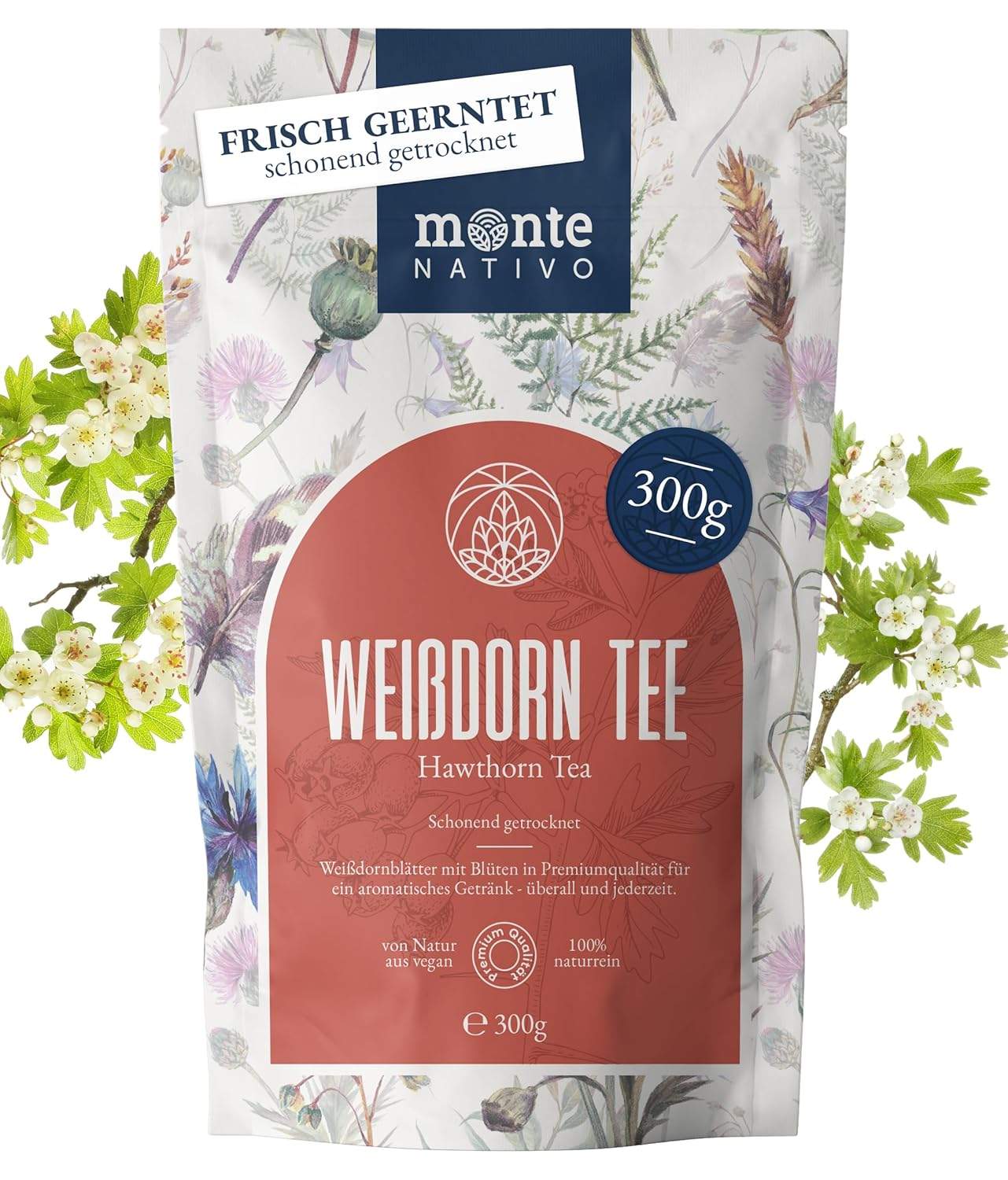
6. Hawthorn ????
Why it helps:
Hawthorn strengthens cardiovascular function, supporting circulation and heart health.
Scientific insight:
A study in Phytomedicine highlighted hawthorn’s antioxidative and lipid-lowering effects, which benefit circulation (PMC).
How to use:
Available as capsules, teas, and tinctures. Consult your doctor if taking heart medications.
7. Cinnamon ????
Why it helps:
Cinnamon may reduce blood pressure and improve vascular health, especially in people with diabetes.
Scientific insight:
Phytotherapy Research indicates cinnamon supplementation can improve circulation and vascular function (PMC).
How to use:
Use Ceylon cinnamon in meals, teas, or supplements. Avoid excessive amounts of Cassia cinnamon due to coumarin content.
8. Rosemary ????
Why it helps:
Rosemary improves blood flow and acts as a natural antioxidant, supporting overall circulation.
Scientific insight:
Frontiers in Pharmacology reports rosemary extracts can enhance blood flow and improve vascular health (MDPI).
How to use:
Use fresh, dried, or as an essential oil. Moderate intake is key.
✅ Conclusion
Adding these 8 herbs ???? to your routine may naturally improve blood circulation. Always consult a healthcare provider before starting supplements, especially if you have existing health conditions or take medication. These herbs are complementary to a healthy lifestyle, not replacements for medical care.
????Scientific References:
- Phytomedicine (2003). “Evidence of the regulatory effect of Ginkgo biloba extract on skin blood flow in healthy volunteers.” PubMed
- University of Rochester Medical Center (n.d.). “Cayenne Pepper.” URMC
- Phytotherapy Research (2005). “Cardiovascular effects of ginger aqueous extract and its phenolic compounds.” PubMed
- Phytotherapy Research (2017). “Curcumin supplementation improves vascular endothelial function in healthy middle-aged and older men and postmenopausal women.” PMC
- Phytomedicine (2003). “Garlic supplementation increases peripheral blood flow.” PubMed
- Phytomedicine (2015). “Roles and Mechanisms of Hawthorn and Its Extracts on Cardiovascular Health.” PMC
- Phytotherapy Research (2011). “Cinnamon: a nutraceutical supplement for the cardiovascular system.” PMC
- Frontiers in Pharmacology (2019). “The Use of Plants That Seal Blood Vessels in Preparations Applied Topically.” MDPI
[8 top natural herbs that help improve blood circulation]