
???? The Best Natural Herbs for Colon Cleansing: A Comprehensive Guide
The best natural herbs for colon cleansing: Maintaining a healthy colon is essential for overall well-being. While the body naturally eliminates waste, certain herbs have been traditionally used to support digestive health and promote regular bowel movements. This article explores some of the most effective natural herbs for colon cleansing, backed by scientific evidence.
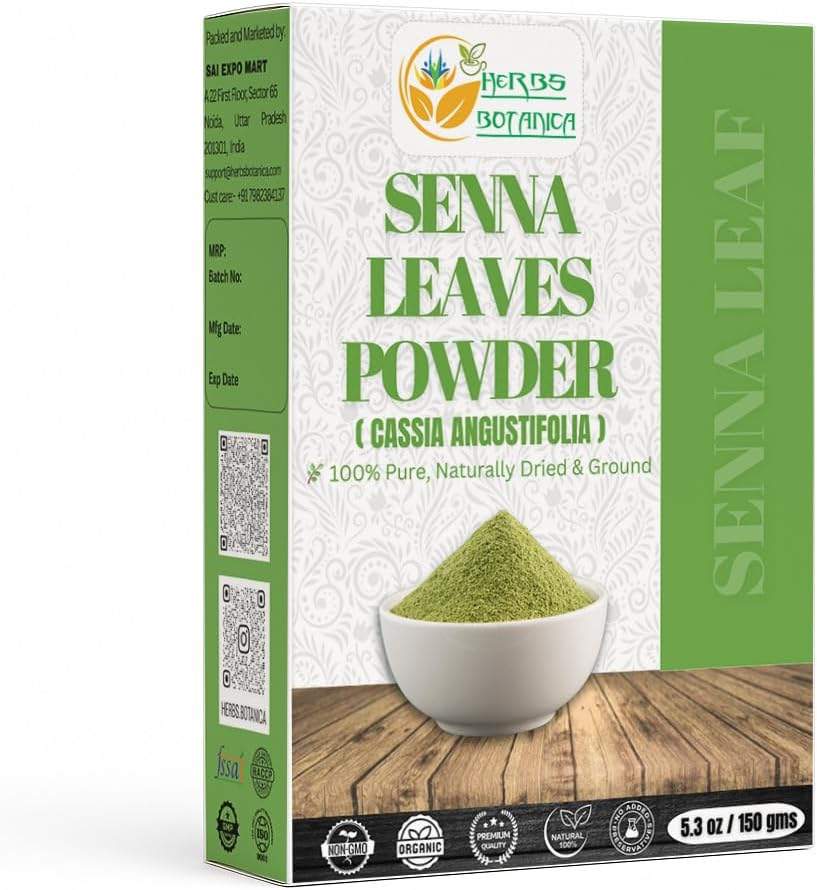
????CLICK HERE TO SEE A UNIQUE COLLECTION OF SENNA AS A HERB FOR COLON CLEANSING !
???? 1. Senna (Senna alexandrina)
Overview:
Senna is a flowering plant native to tropical regions of Africa and Asia. Its leaves and pods contain compounds called sennosides, which stimulate bowel movements.
Scientific Evidence:
A study published in the American Journal of Gastroenterology found that senna effectively increased stool frequency and improved stool consistency in individuals with constipation. (Verywell Health)
Usage:
- Forms: Available as tea, tablets, and capsules.
- Dosage: Recommended for short-term use, typically 1–2 weeks.
- Precautions: Prolonged use may lead to dependency and electrolyte imbalances.
???? 2. Psyllium Husk (Plantago ovata)
Overview:
Psyllium husk is a soluble fiber derived from the seeds of the Plantago ovata plant. It absorbs water, forming a gel-like substance that aids in bowel regularity.
Scientific Evidence:
Research published in the American Journal of Gastroenterology supports psyllium’s role in improving stool consistency and frequency in individuals with constipation. (Healthline)
Usage:
- Forms: Available in powders, capsules, and wafers.
- Dosage: Mix with water and consume immediately.
- Precautions: Ensure adequate water intake to prevent choking.
???? 3. Aloe Vera (Aloe barbadensis miller)
Overview:
Aloe vera is a succulent plant known for its soothing properties. The latex derived from its leaves has been traditionally used as a natural laxative.
Scientific Evidence:
A study in BMC Complementary Medicine and Therapies found that aloe vera latex has significant laxative effects, aiding in constipation relief. (Healthline)
Usage:
- Forms: Available in juices, capsules, and topical gels.
- Dosage: Use as directed for constipation relief.
- Precautions: Long-term use can lead to dehydration and electrolyte imbalances.
???? 4. Marshmallow Root (Althaea officinalis)
Overview:
Marshmallow root has been used in traditional medicine for its mucilage content, which soothes and protects the mucous membranes of the digestive tract.
Scientific Evidence:
A review in Frontiers in Pharmacology discusses the anti-inflammatory and mucilage properties of marshmallow root, supporting its use in digestive health. (Healthline)
Usage:
- Forms: Available in teas, capsules, and extracts.
- Dosage: Can be consumed as a tea or in capsule form.
- Precautions: May interfere with the absorption of other medications; take at least one hour apart.
???? 5. Slippery Elm (Ulmus rubra)
Overview:
Slippery elm is a tree native to North America. The inner bark contains mucilage, which becomes a gel-like substance when mixed with water, soothing the digestive tract.
Scientific Evidence:
A study in Phytotherapy Research highlighted slippery elm’s effectiveness in treating inflammatory bowel conditions due to its mucilage content. (Healthline)
Usage:
- Forms: Available in lozenges, capsules, and powders.
- Dosage: Can be made into a tea or taken in capsule form.
- Precautions: May interfere with the absorption of other medications; take at least one hour apart.
???? 6. Ginger (Zingiber officinale)
Overview:
Ginger is a popular spice known for its anti-inflammatory and digestive properties. It has been traditionally used to alleviate nausea and improve digestion.
Scientific Evidence:
A study in Gastroenterology Research and Practice found that ginger enhances gastrointestinal motility, which can aid in relieving constipation. (Healthline)
Usage:
- Forms: Available in fresh, dried, and powdered forms.
- Dosage: Can be consumed as a tea, added to meals, or taken in capsule form.
- Precautions: May cause heartburn or digestive upset in some individuals.
???? 7. Flaxseeds (Linum usitatissimum)
Overview:
Flaxseeds are rich in soluble fiber and omega-3 fatty acids. They have been used to promote digestive health and regularity.
Scientific Evidence:
A study in Nutrition Research demonstrated that flaxseed supplementation improved stool frequency and consistency in individuals with constipation. (Healthline)
Usage:
- Forms: Available in whole, ground, and oil forms.
- Dosage: Ground flaxseeds can be added to smoothies, cereals, or baked goods.
- Precautions: Ensure adequate water intake to prevent choking.
???? 8. Dandelion Root (Taraxacum officinale)
Overview:
Dandelion root has been used in traditional medicine for its diuretic and digestive properties. It is believed to stimulate bile production, aiding in digestion.
Scientific Evidence:
A study in BMC Complementary Medicine and Therapies found that dandelion root has hepatoprotective effects, supporting liver and digestive health. (Healthline)
Usage:
- Forms: Available in teas, capsules, and extracts.
- Dosage: Can be consumed as a tea or in capsule form.
- Precautions: May interact with diuretic medications.
✅ Conclusion
Incorporating these natural herbs into your diet can support colon health and alleviate constipation. However, it’s essential to use them responsibly and consult with a healthcare provider before starting any new herbal regimen, especially if you have underlying health conditions or are taking medications.
Remember, while herbs can aid in colon cleansing, they should complement a healthy lifestyle that includes a balanced diet, regular exercise, and adequate hydration.
???? Scientific References
- American Journal of Gastroenterology (2008). “Psyllium fiber supplementation improves stool consistency and frequency in constipation.” PubMed
- Gastroenterology Research and Practice (2011). “Ginger: A review of its effects on gastrointestinal motility.” PubMed
- Nutrition Research (2007). “Flaxseed supplementation improves stool frequency and consistency in constipation.” PubMed
- BMC Complementary Medicine and Therapies (2015). “Dandelion root: A review of its hepatoprotective effects.” PubMed
- Phytotherapy Research (2004). “Slippery elm: A review of its medicinal properties.” PubMed
- Frontiers in Pharmacology (2016). “Marshmallow root: A review of its pharmacological properties.” PubMed
- BMC Complementary Medicine and Therapies (2015). “Aloe vera: A review of its potential as a natural laxative.” PubMed
- Verywell Health (2008). “Senna Tea and Its Laxative Effect.” Verywell Health
[The best natural herbs for colon cleansing]