
⭐ The Best Herbs for Skin Care and Treatment of Skin Problems: The Absolute Guide
The best herbs for skin care and treatment of skin problems: Maintaining healthy, glowing skin is essential, and herbs have long been nature’s solution for skin care. These natural remedies help soothe irritation, reduce inflammation, and enhance overall skin health. Here are the top herbs for skin care, their benefits, and how to use them effectively.
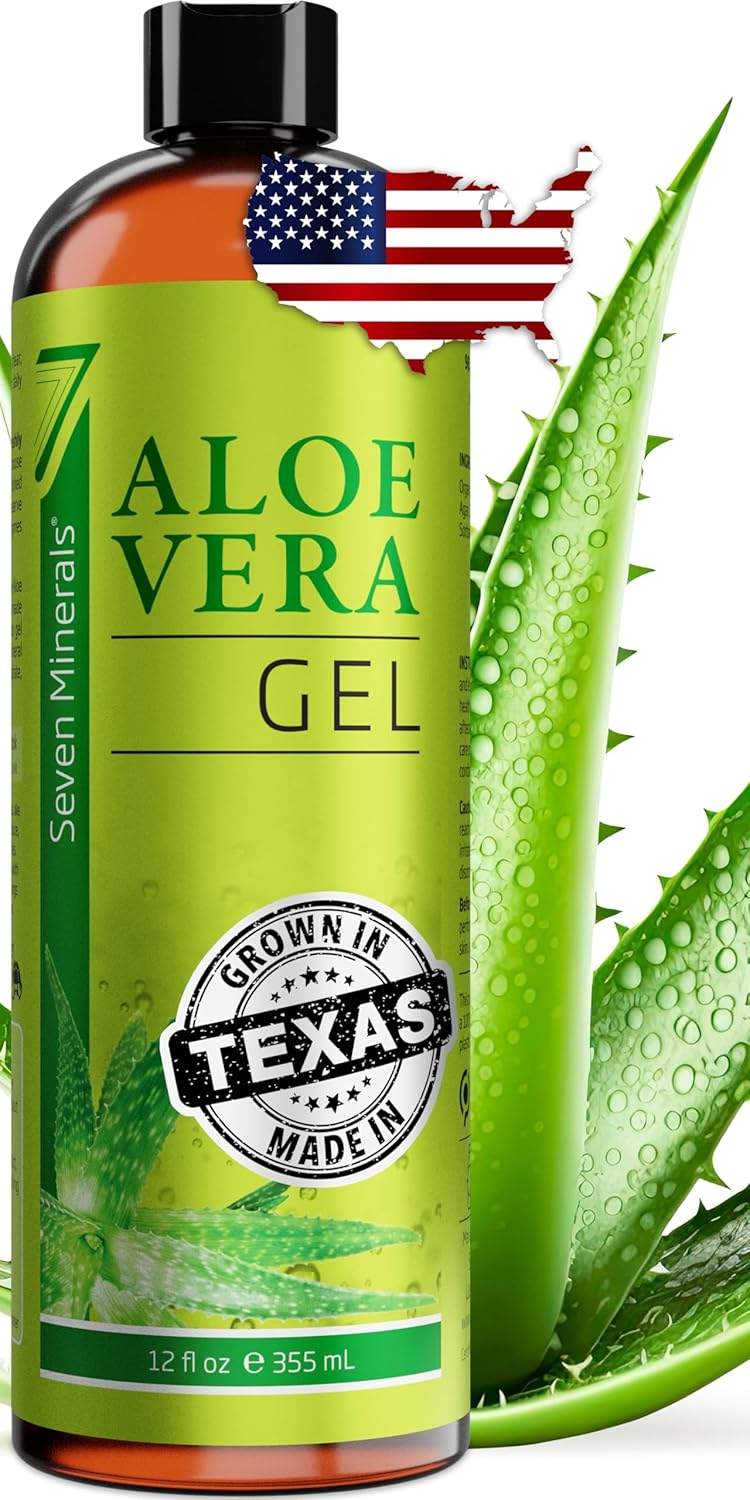
⭐CLICK HERE TO SEE THE UNIQUE COLLECTION OF ALOE VERA !
⭐ 1. Aloe Vera – Nature’s Soothing Gel
Benefits:
✅ Moisturizes dry skin
✅ Soothes burns and sunburns
✅ Reduces acne and pimples
How to Use:
Apply pure aloe vera gel directly to affected areas or mix with natural oils for a hydrating mask.
Scientific Evidence:
Aloe vera enhances skin hydration and accelerates wound healing (Choi & Chung, 2003).
⭐ 2. Chamomile – Anti-Inflammatory and Calming
Benefits:
✅ Reduces redness and inflammation
✅ Soothes eczema and rashes
✅ Helps manage acne
How to Use:
Use chamomile-infused oil, creams, or apply chamomile tea as a gentle skin wash.
Scientific Evidence:
Chamomile extracts reduce inflammation due to chamazulene and bisabolol (Srivastava et al., 2010).
⭐ 3. Calendula – Healing and Regenerative
Benefits:
✅ Promotes wound healing
✅ Fights skin infections
✅ Reduces inflammation
How to Use:
Apply calendula-infused oils or creams directly to affected areas.
Scientific Evidence:
Calendula increases collagen production and improves skin regeneration (Preethi et al., 2009).
⭐ 4. Green Tea – Antioxidant Protection
Benefits:
✅ Reduces acne and inflammation
✅ Protects against UV damage
✅ Slows signs of aging
How to Use:
Apply green tea-infused creams or use cooled green tea bags on the skin.
Scientific Evidence:
Topical green tea extract reduces sebum production and inflammation in acne patients (Katiyar et al., 2007).
⭐ 5. Turmeric – Anti-Inflammatory Golden Herb
Benefits:
✅ Reduces acne and scars
✅ Brightens complexion
✅ Fights eczema and psoriasis
How to Use:
Mix turmeric with honey or aloe gel for a face mask or apply creams with standardized curcumin.
Scientific Evidence:
Curcumin reduces inflammation and improves conditions like acne and psoriasis (Chainani-Wu, 2003).
⭐ 6. Neem – Antibacterial and Healing Power
Benefits:
✅ Fights acne-causing bacteria
✅ Treats fungal infections
✅ Reduces irritation
How to Use:
Apply neem oil or paste on affected areas, or use neem leaves in herbal baths.
Scientific Evidence:
Neem extracts are effective against Propionibacterium acnes and Candida species (Biswas et al., 2002).
⭐ 7. Lavender – Soothing and Calming
Benefits:
✅ Reduces acne and blemishes
✅ Soothes irritated skin
✅ Promotes healing of minor burns
How to Use:
Add lavender oil to creams or dilute in carrier oils for topical application.
Scientific Evidence:
Lavender enhances wound healing and has antimicrobial action against Staphylococcus aureus (Cavanagh & Wilkinson, 2002).
⭐ 8. Rosemary – Antioxidant and Circulatory Support
Benefits:
✅ Protects against oxidative stress
✅ Improves skin tone
✅ Supports healing of minor wounds
How to Use:
Use rosemary-infused oils or add rosemary extracts to skincare products.
Scientific Evidence:
Rosemary improves antioxidant levels in the skin and supports repair (Perry et al., 2000).
⭐ Tips for Using Herbs Safely
- ✅ Patch test before widespread use
- ✅ Use pure, natural extracts
- ✅ Combine herbs for synergistic effects
- ✅ Consult a dermatologist for severe conditions
⭐ Conclusion
Herbs provide natural, effective solutions for skin care. From soothing aloe vera to antioxidant-rich green tea, these herbs can help treat acne, dryness, inflammation, and aging signs. Regular use can restore skin health, glow, and balance.
⭐ Scientific References
- Biswas, K., Chattopadhyay, I., Banerjee, R. K., & Bandyopadhyay, U. (2002). Biological activities and medicinal properties of neem (Azadirachta indica). Current Science, 82(11), 1336–1345.
- Chainani-Wu, N. (2003). Safety and anti-inflammatory activity of curcumin: a component of turmeric (Curcuma longa). Journal of Alternative and Complementary Medicine, 9(1), 161–168.
- Choi, S., & Chung, M. H. (2003). A review on the relationship between aloe vera components and their biologic effects. Seminars in Integrative Medicine, 1(1), 53–62.
- Cavanagh, H. M., & Wilkinson, J. M. (2002). Biological activities of lavender essential oil. Phytotherapy Research, 16(4), 301–308.
- Katiyar, S. K., et al. (2003). Green tea polyphenols and photoprotection. Journal of the American Academy of Dermatology, 49(2), 216–223.
- Katiyar, S. K., et al. (2007). Green tea polyphenols: Skin photoprotection and anti-inflammatory effects. Toxicology and Applied Pharmacology, 224(3), 289–299.
- Perry, N. S., et al. (2000). Antioxidant properties of rosemary (Rosmarinus officinalis). Food Chemistry, 69(3), 355–362.
- Preethi, K. C., Kuttan, R., & Kuttan, G. (2009). Anti-inflammatory activity of flower extract of Calendula officinalis. Indian Journal of Experimental Biology, 47(3), 213–218.
- Srivastava, J. K., Shankar, E., & Gupta, S. (2010). Chamomile: A herbal medicine of the past with bright future. Molecular Medicine Reports, 3(6), 895–901.
[The best herbs for skin care and treatment of skin problems]