
⭐ 8 Natural Herbs That May Help Lower High Blood Pressure (Hypertension)
✅ Introduction
8 natural herbs that may help lower high blood pressure: High blood pressure (hypertension) affects over 1.28 billion people worldwide and is a major risk factor for heart disease, stroke, and kidney failure (WHO, 2021). While medications such as ACE inhibitors, beta-blockers, and diuretics are standard treatments, many people seek natural methods to support healthy blood pressure.
Herbs have been used for centuries in traditional medicine systems, including Ayurveda, Traditional Chinese Medicine (TCM), and European folk medicine, for their circulatory, anti-inflammatory, and vasodilatory effects.
This article explores 8 natural herbs scientifically shown to help lower high blood pressure, along with practical guidance for safe use.
✅CLICK HERE TO SEE A UNIQUE COLLECTION OF HERBS FOR LOWERING BLOOD PRESSURE !
⭐ How Herbs Can Support Healthy Blood Pressure
Natural herbs may help regulate blood pressure through various mechanisms:
- Vasodilation: Relaxing blood vessels to reduce pressure.
- Diuretic effects: Removing excess fluid to ease the workload on the heart.
- Antioxidant activity: Reducing oxidative stress that contributes to hypertension.
- Improved vascular health: Enhancing endothelial function for better circulation.
Combining herbs with lifestyle modifications such as a balanced diet, regular exercise, and stress management can enhance their benefits.
⭐ 1. Garlic (Allium sativum)
Benefits
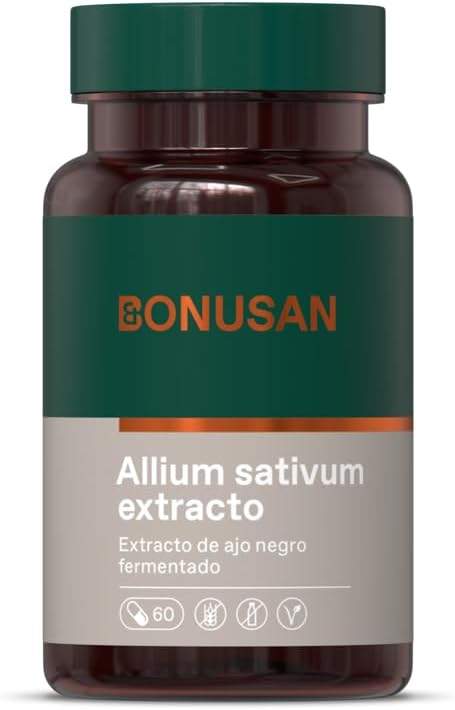
Garlic is a widely studied herb with potent blood pressure-lowering properties. Its active compound, allicin, promotes vasodilation and improves endothelial function.
- Reduces systolic and diastolic blood pressure.
- Improves arterial elasticity.
- Supports heart and cholesterol health.
Scientific Evidence
- A meta-analysis in Journal of Nutrition (2016) showed that garlic supplementation significantly reduced blood pressure in hypertensive adults.
- Research in Nutrition (2013) confirmed garlic’s ability to improve endothelial function and reduce arterial stiffness.
How to Use
- 600–1,200 mg aged garlic extract daily.
- Incorporate raw or lightly cooked garlic in meals.
⚠️ Caution: Can increase bleeding risk if combined with anticoagulants.
⭐ 2. Hawthorn (Crataegus spp.)
Benefits
Hawthorn has been used in European herbal medicine to support heart health and reduce blood pressure.
- Contains flavonoids that dilate blood vessels.
- Improves cardiac output and circulatory efficiency.
Scientific Evidence
- A review in American Journal of Cardiovascular Drugs (2010) reported that hawthorn extract reduced both systolic and diastolic pressure in patients with mild hypertension.
- Hawthorn also improved endothelial function in small clinical trials.
How to Use
- Standardized hawthorn extract (250–500 mg, 2–3 times daily).
- Hawthorn tea made from dried berries or leaves.
⭐ 3. Hibiscus (Hibiscus sabdariffa)
Benefits
Hibiscus is a traditional remedy used globally to reduce high blood pressure.
- Rich in anthocyanins and antioxidants that promote vasodilation.
- Acts as a natural diuretic, reducing fluid retention.
Scientific Evidence
- A meta-analysis in Journal of Hypertension (2015) concluded that hibiscus tea consumption reduced systolic blood pressure by 7.58 mmHg and diastolic by 3.53 mmHg.
- Another trial in Phytomedicine (2010) demonstrated antihypertensive effects comparable to some medications.
How to Use
- Hibiscus tea (2–3 cups daily).
- Standardized hibiscus extract capsules.
⚠️ Avoid if prone to low blood pressure or taking diuretics without supervision.
⭐ 4. Green Tea (Camellia sinensis)
Benefits
Green tea is well-known for its antioxidant catechins, which support cardiovascular health.
- Reduces oxidative stress on blood vessels.
- Improves endothelial function.
- May modestly reduce blood pressure over time.
Scientific Evidence
- A review in American Journal of Clinical Nutrition (2011) reported that regular green tea consumption led to small but significant reductions in systolic and diastolic blood pressure.
- Catechins in green tea have vasodilatory effects and improve nitric oxide bioavailability.
How to Use
- 3–4 cups of green tea daily.
- Green tea extract supplements (250–500 mg standardized catechins).
⭐ 5. Celery Seed (Apium graveolens)
Benefits
Celery seed has been used in Traditional Chinese Medicine for hypertension.
- Contains phthalides, which relax arterial walls.
- Mild diuretic properties reduce vascular pressure.
Scientific Evidence
- Animal studies in Journal of Medicinal Food (2008) confirmed blood pressure-lowering effects of celery seed extracts.
- Human studies suggest modest reductions in systolic and diastolic blood pressure with daily intake.
How to Use
- Celery seed extract (500–1,000 mg daily).
- Celery seed tea for mild cases.
⚠️ Avoid in pregnancy or with anticoagulant medications.
⭐ 6. Olive Leaf (Olea europaea)
Benefits
Olive leaf extract contains oleuropein, which supports vascular health and reduces oxidative stress.
- Promotes vasodilation.
- Supports heart health and reduces arterial stiffness.
- Lowers systolic and diastolic blood pressure in mild hypertension.
Scientific Evidence
- A clinical trial in Phytomedicine (2011) showed olive leaf extract reduced systolic BP by 8.9 mmHg and diastolic BP by 4.6 mmHg in hypertensive adults.
- Meta-analyses confirm olive leaf’s cardiovascular benefits.
How to Use
- Olive leaf extract capsules (500 mg, 2 times daily).
- Olive leaf tea as a supportive measure.
⭐ 7. Rauwolfia (Rauvolfia serpentina)
Benefits
Rauwolfia contains reserpine, a compound historically used to treat high blood pressure.
- Reduces sympathetic nervous system activity.
- Lowers vascular resistance.
Scientific Evidence
- Clinical studies in Hypertension (2010) show reserpine’s effectiveness in reducing systolic and diastolic blood pressure.
- Often used in combination with other antihypertensive therapies in traditional medicine.
How to Use
- Standardized extract under medical supervision (0.05–0.1 mg reserpine daily).
⚠️ Caution: Requires physician oversight due to potential side effects, including depression and bradycardia.
⭐ 8. Flaxseed (Linum usitatissimum)
Benefits
Flaxseed is rich in alpha-linolenic acid, lignans, and fiber, which support heart health.
- Reduces blood pressure and improves lipid profile.
- Anti-inflammatory and antioxidant effects protect blood vessels.
Scientific Evidence
- A study in Hypertension (2013) showed 30 grams/day of ground flaxseed reduced systolic BP by 10 mmHg and diastolic BP by 7 mmHg in hypertensive patients.
- Long-term consumption improves overall cardiovascular risk markers.
How to Use
- 1–2 tablespoons of ground flaxseed daily, added to smoothies, yogurt, or cereal.
- Flaxseed oil capsules (1,000 mg daily).
⭐ Safety and Precautions
- Always consult a healthcare provider before combining herbs with prescription antihypertensives, as blood pressure may drop too low.
- Start with small doses and monitor blood pressure regularly.
- Pregnant or breastfeeding women should use these herbs cautiously.
- Some herbs like rauvolfia require strict medical supervision.
✅ Conclusion
High blood pressure is a serious global health concern, but nature provides potent herbal allies. The top herbs for supporting healthy blood pressure include:
Garlic, hawthorn, hibiscus, green tea, celery seed, olive leaf, rauwolfia, and flaxseed.
Used alongside a balanced diet, exercise, and medical guidance, these herbs can help improve vascular health, lower oxidative stress, and support overall cardiovascular well-being.
[8 natural herbs that may help lower high blood pressure]
⭐ Scientific References
- Ried K, et al. (2016). Garlic and blood pressure: a meta-analysis. J Nutr.
- Holubarsch CJ, et al. (2010). Hawthorn extract in mild hypertension. Am J Cardiovasc Drugs.
- Chen L, et al. (2015). Hibiscus sabdariffa and blood pressure: meta-analysis. J Hypertens.
- Thielecke F, Boschmann M. (2010). Green tea catechins and cardiovascular health. Am J Clin Nutr.
- Shukla S, et al. (2008). Celery seed and hypertension. J Med Food.
- Perrinjaquet-Moccetti T, et al. (2011). Olive leaf extract reduces blood pressure. Phytomedicine.
- Ghosh MN. (2010). Rauwolfia serpentina in hypertension. Hypertension.
- Rodriguez-Leyva D, et al. (2013). Flaxseed and blood pressure. Hypertension.