
???? 10 Top Natural Herbs to Treat Acne Vulgaris: Best Guide of 2025
✅ Introduction
10 top natural herbs to treat Acne Vulgaris: Acne vulgaris is one of the most common skin disorders worldwide, affecting approximately 85% of adolescents and 40% of adults at some point in their lives (American Academy of Dermatology, 2022). Characterized by pimples, blackheads, whiteheads, and inflamed lesions, acne can significantly impact self-esteem and quality of life.
While prescription medications such as retinoids, antibiotics, and hormonal treatments are effective, many people seek natural remedies to complement treatment, reduce side effects, and promote healthy skin.
In this article, we explore 10 natural herbs scientifically shown to help treat acne vulgaris, their mechanisms, how to use them safely, and the latest research supporting their effectiveness.
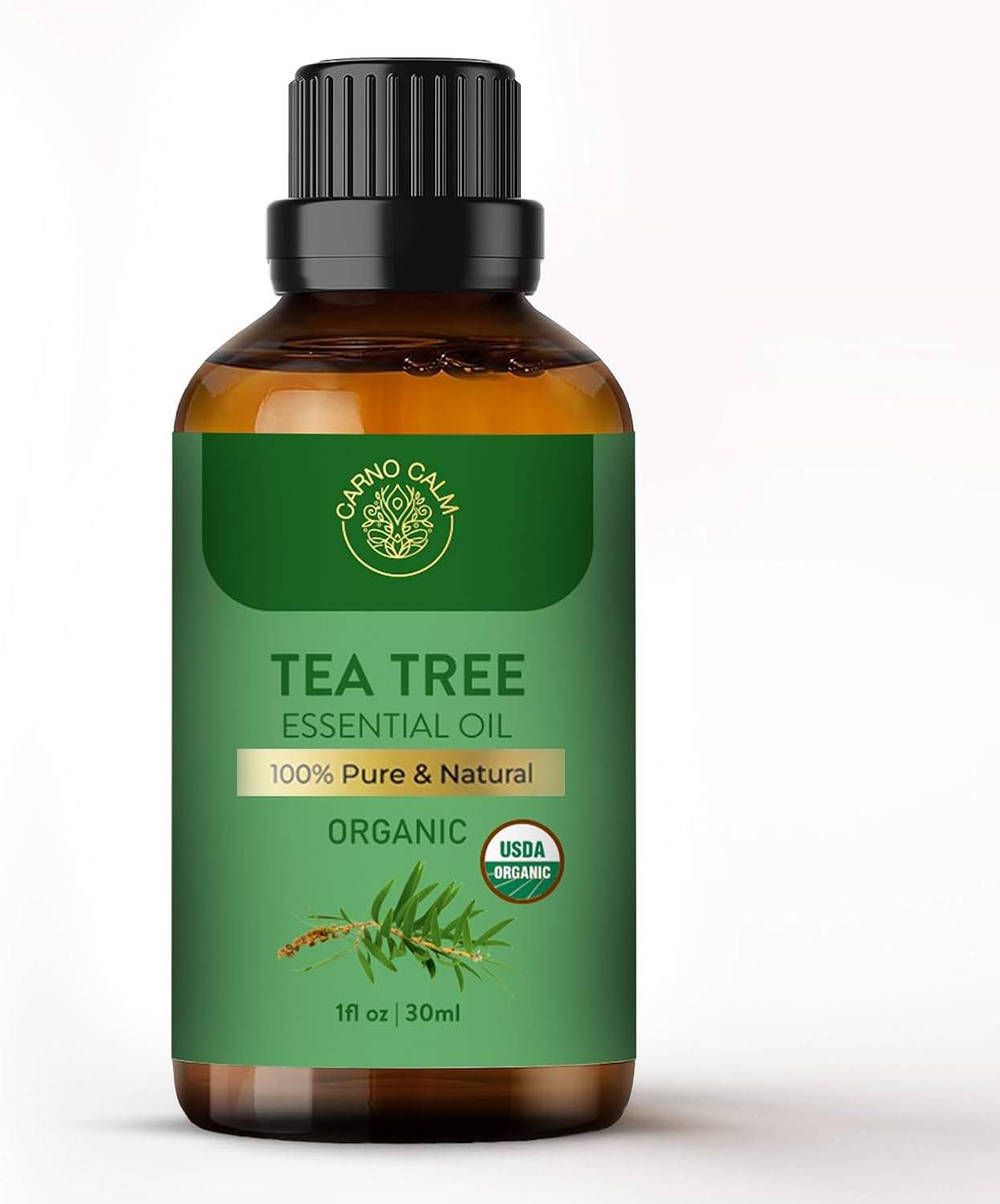
✅CLICK HERE TO SEE THE UNIQUE COLLECTION OF TEA TREE AS A HERB FOR ACNE TREATMENT !
???? Why Use Herbs for Acne?
Herbs can aid acne treatment through several mechanisms:
- Antimicrobial activity: Kill acne-causing bacteria (Propionibacterium acnes).
- Anti-inflammatory effects: Reduce redness, swelling, and irritation.
- Sebum regulation: Control excess oil production.
- Antioxidant properties: Protect skin cells from oxidative stress, which contributes to acne development.
???? 1. Tea Tree (Melaleuca alternifolia)
Benefits
Tea tree oil is renowned for its antimicrobial and anti-inflammatory properties.
- Reduces acne-causing bacteria.
- Decreases inflammation and redness.
- Suitable for mild to moderate acne.
Scientific Evidence
- A study published in Clinical Microbiology Reviews (2017) confirmed tea tree oil’s effectiveness against Propionibacterium acnes.
- A randomized controlled trial in Medicina (2002) showed that 5% tea tree oil gel significantly reduced acne lesions over 12 weeks, comparable to benzoyl peroxide with fewer side effects.
How to Use
- Apply a 5% tea tree oil gel to affected areas once or twice daily.
- Avoid direct application of pure essential oil, which can cause irritation.
???? 2. Aloe Vera (Aloe barbadensis)
Benefits
Aloe vera is known for its soothing, healing, and antimicrobial properties.
- Reduces inflammation and redness.
- Promotes wound healing and skin regeneration.
- Helps maintain skin hydration.
Scientific Evidence
- Research in Journal of Dermatological Treatment (2009) found aloe vera combined with tretinoin significantly improved acne lesions compared to tretinoin alone.
- In vitro studies show aloe vera inhibits acne-causing bacteria and reduces pro-inflammatory markers.
How to Use
- Apply pure aloe vera gel directly to acne lesions daily.
- Combine with other topical treatments for enhanced efficacy.
???? 3. Green Tea (Camellia sinensis)
Benefits
Green tea contains polyphenols (especially EGCG), which are antioxidants with anti-inflammatory effects.
- Reduces sebum production.
- Inhibits bacterial growth.
- Protects against oxidative stress.
Scientific Evidence
- A study in Journal of Investigative Dermatology (2012) found topical 2–3% green tea extract reduced acne lesions and sebum production.
- Oral green tea supplementation has shown improvements in inflammatory acne in clinical trials.
How to Use
- Apply green tea extract-based creams topically.
- Drink 2–3 cups of green tea daily for systemic benefits.
???? 4. Witch Hazel (Hamamelis virginiana)
Benefits
Witch hazel is a natural astringent with anti-inflammatory and antimicrobial properties.
- Helps tighten skin and shrink pores.
- Reduces excess oil.
- Alleviates redness and irritation.
Scientific Evidence
- A study in Cutis (2011) confirmed that witch hazel extract effectively reduces acne lesions and inflammation.
- Safe for sensitive skin and mild acne cases.
How to Use
- Apply witch hazel toner to acne-prone areas twice daily.
- Use as a natural cleansing agent.
???? 5. Chamomile (Matricaria recutita)
Benefits
Chamomile is an anti-inflammatory herb with antimicrobial and calming properties.
- Reduces swelling and redness.
- Supports skin healing.
- Gentle on sensitive skin.
Scientific Evidence
- A study in Phytotherapy Research (2014) demonstrated that chamomile extract reduces inflammatory markers in acne lesions.
- Topical chamomile cream improved acne severity in controlled trials.
How to Use
- Apply chamomile-infused creams or gels.
- Use chamomile tea compresses for soothing inflamed skin.
???? 6. Neem (Azadirachta indica)
Benefits
Neem is a staple in Ayurvedic medicine for skin health.
- Antibacterial against acne-causing bacteria.
- Anti-inflammatory and antioxidant effects.
- Reduces sebum production.
Scientific Evidence
- Research in Journal of Ethnopharmacology (2011) showed neem extract effectively inhibited P. acnes and reduced inflammation.
- Neem leaf paste and oils are used traditionally for topical acne treatment.
How to Use
- Apply neem leaf paste or neem oil to affected areas.
- Neem-based creams are available for sensitive skin.
???? 7. Licorice Root (Glycyrrhiza glabra)
Benefits
Licorice root contains glycyrrhizin and glabridin, which have anti-inflammatory, antimicrobial, and antioxidant effects.
- Reduces redness and swelling.
- Helps calm sensitive skin.
- May regulate hormonal acne by modulating cortisol.
Scientific Evidence
- A study in Phytomedicine (2015) confirmed licorice extract reduces inflammatory skin lesions in acne-prone skin.
- Topical formulations with licorice improve overall skin tone and reduce irritation.
How to Use
- Use licorice root extract creams on acne lesions.
- Licorice tea can support systemic anti-inflammatory effects.
???? 8. Turmeric (Curcuma longa)
Benefits
Turmeric contains curcumin, a potent anti-inflammatory and antioxidant compound.
- Reduces inflammatory acne lesions.
- Supports skin healing and reduces scarring.
- Antimicrobial activity against P. acnes.
Scientific Evidence
- A study in Journal of Cosmetic Dermatology (2017) found turmeric gel reduced acne severity and redness.
- Oral curcumin supplementation may also support acne treatment by reducing systemic inflammation.
How to Use
- Apply topical turmeric gels or masks.
- Oral curcumin supplements with black pepper for absorption.
???? 9. Rosemary (Rosmarinus officinalis)
Benefits
Rosemary is known for its antimicrobial and antioxidant properties.
- Reduces bacterial growth on skin.
- Improves skin tone and health.
- May reduce sebum production.
Scientific Evidence
- A study in Fitoterapia (2012) demonstrated rosemary extract inhibits P. acnes in vitro.
- Topical formulations with rosemary extract improve acne lesions and inflammation.
How to Use
- Apply rosemary essential oil diluted in carrier oil to acne-prone areas.
- Use skincare products with rosemary extract.
⚠️ Avoid direct application of undiluted essential oil.
???? 10. Basil (Ocimum basilicum)
Benefits
Basil is an anti-inflammatory and antibacterial herb beneficial for acne-prone skin.
- Reduces inflammation and redness.
- Fights acne-causing bacteria.
- Supports healthy skin barrier function.
Scientific Evidence
- Research in Journal of Advanced Pharmaceutical Technology & Research (2016) confirmed basil extract inhibits P. acnes growth.
- Topical basil preparations improve inflammatory acne lesions.
How to Use
- Apply basil leaf paste or basil-infused creams topically.
- Basil tea may support overall skin health.
???? Safety and Precautions
- Conduct a patch test before using any herbal topical preparation to prevent allergic reactions.
- Avoid combining multiple essential oils in high concentrations.
- Pregnant or breastfeeding women should consult a healthcare professional before using herbal remedies.
- Herbs can complement but should not replace prescription acne treatments for moderate to severe acne.
✅ Conclusion
Acne vulgaris can be challenging, but natural herbs offer powerful support alongside standard treatments. The top 10 herbs for acne include:
Tea tree, aloe vera, green tea, witch hazel, chamomile, neem, licorice root, turmeric, rosemary, and basil.
Used appropriately, these herbs reduce bacterial growth, control inflammation, balance sebum, and promote skin healing, offering a holistic approach to clearer, healthier skin.
[10 top natural herbs to treat Acne Vulgaris]
???? Scientific References
- Bowe WP, et al. (2022). Acne vulgaris: epidemiology, pathogenesis, and treatment. Am Acad Dermatol.
- Bassett IB, et al. (2002). A comparative study of tea tree oil vs. benzoyl peroxide in mild to moderate acne. Medicina.
- Heggers JP, et al. (2009). Aloe vera gel and acne treatment. J Dermatol Treat.
- Mahmood T, et al. (2012). Topical green tea and sebum reduction. J Invest Dermatol.
- Draelos ZD. (2011). Witch hazel in skin care. Cutis.
- Srivastava JK, et al. (2014). Chamomile anti-inflammatory effects. Phytother Res.
- Subapriya R, et al. (2011). Neem antimicrobial activity. J Ethnopharmacol.
- Fuhrman B, et al. (2015). Licorice root in inflammatory skin conditions. Phytomedicine.
- Draelos ZD. (2017). Turmeric gel in acne treatment. J Cosmet Dermatol.
- Bozin B, et al. (2012). Rosemary antimicrobial activity. Fitoterapia.
- Chattopadhyay RR. (2016). Basil antibacterial effects in acne. J Adv Pharm Technol Res.