
???? 10 Top Herbs for Rheumatoid Arthritis Pain Relief: Best Guide of 2025
✅ Introduction
10 top herbs for Rheumatoid Arthritis Pain Relief: Rheumatoid arthritis (RA) is a chronic autoimmune disease affecting over 20 million people worldwide, characterized by joint inflammation, pain, stiffness, and eventual cartilage and bone damage (Arthritis Foundation, 2022). Standard treatments include NSAIDs, corticosteroids, and disease-modifying antirheumatic drugs (DMARDs). However, many patients seek natural alternatives to help manage pain, reduce inflammation, and improve joint mobility.
Herbs have been used for centuries in traditional medicine systems such as Ayurveda, Traditional Chinese Medicine (TCM), and European herbal medicine for their anti-inflammatory, analgesic, and immune-modulating effects.
This article explores 10 scientifically supported herbs for RA pain relief, their mechanisms, proper usage, and safety precautions.
✅CLICK HERE TO SEE A UNIQUE COLLECTION OF TUMERIC AS A HERB FOR PAIN RELIEF FROM RHEUMATOID ARTHRITIS !
???? How Herbs Help with RA
Herbs can help alleviate RA symptoms through:
- Anti-inflammatory effects: Reducing joint swelling and pain.
- Antioxidant activity: Protecting cartilage and joint tissues from oxidative damage.
- Immune system modulation: Reducing autoimmune attack on joints.
- Analgesic effects: Providing natural pain relief without harsh side effects.
???? 1. Turmeric (Curcuma longa)
Benefits
Turmeric contains curcumin, a potent anti-inflammatory compound that inhibits pro-inflammatory cytokines like TNF-α and IL-6.
- Reduces joint inflammation and pain.
- Supports cartilage health.
- May improve physical function in RA patients.
Scientific Evidence
- A randomized controlled trial in Phytotherapy Research (2012) demonstrated that 500 mg of curcumin daily reduced joint pain and swelling in RA patients.
- Meta-analyses confirm curcumin’s efficacy in lowering inflammatory markers and improving patient-reported outcomes.
How to Use
- 500–1,000 mg curcumin capsules daily.
- Turmeric powder in cooking or turmeric tea.
- Combine with black pepper to enhance absorption.
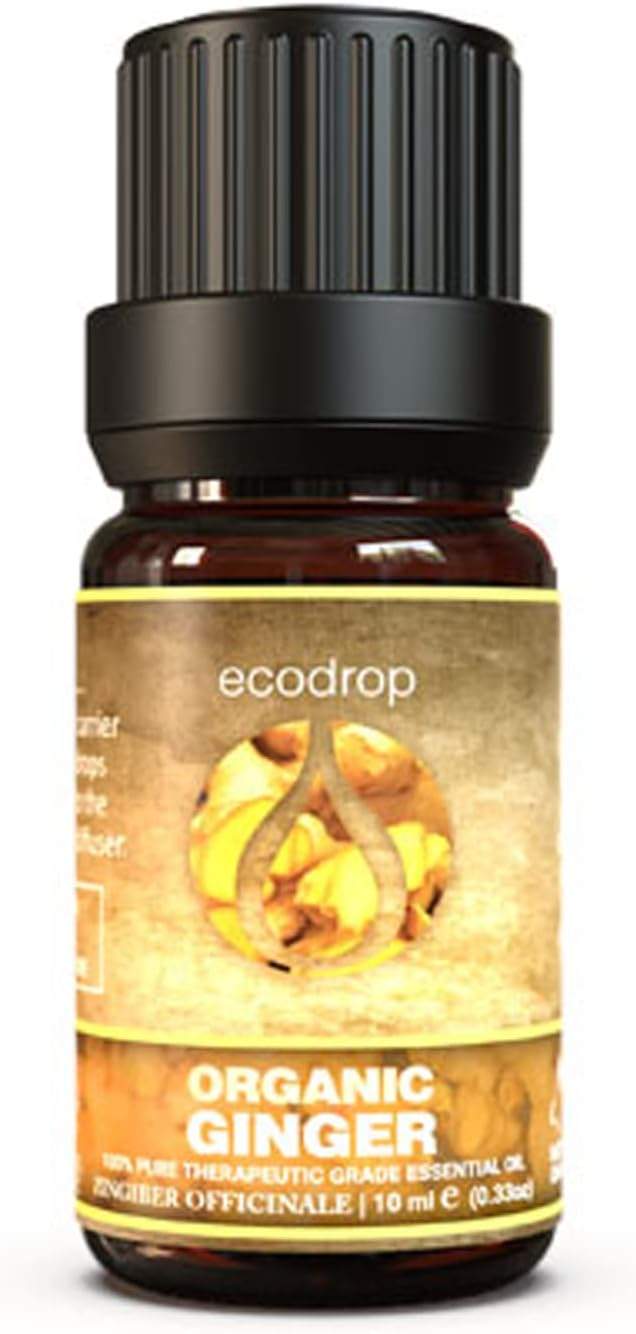
???? 2. Ginger (Zingiber officinale)
Benefits
Ginger has anti-inflammatory and analgesic properties.
- Inhibits COX and LOX pathways, similar to NSAIDs.
- Reduces morning stiffness and joint pain.
- May improve mobility and overall quality of life.
Scientific Evidence
- A study in Arthritis & Rheumatism (2001) found ginger extract reduced pain severity in RA patients over 3 months.
- Meta-analyses confirm ginger’s ability to decrease inflammatory markers and pain scores.
How to Use
- 1–2 grams dried ginger daily in capsules or tea.
- Fresh ginger in cooking for mild anti-inflammatory effects.
???? 3. Boswellia (Boswellia serrata)
Benefits
Also known as Indian frankincense, Boswellia has strong anti-inflammatory effects.
- Inhibits 5-lipoxygenase (5-LOX), reducing leukotriene formation.
- Reduces joint swelling and tenderness.
- Improves overall mobility in RA patients.
Scientific Evidence
- Clinical trials in Phytomedicine (2014) reported that 300–400 mg of Boswellia extract twice daily improved pain and joint function.
- Systematic reviews confirm its efficacy and safety for RA pain relief.
How to Use
- Standardized Boswellia extract capsules (300–400 mg, 2–3 times daily).
- Herbal teas with Boswellia resin.
???? 4. Willow Bark (Salix alba)
Benefits
Willow bark contains salicin, a natural compound similar to aspirin.
- Reduces pain and inflammation in joints.
- Supports mobility in chronic RA cases.
Scientific Evidence
- A study in Rheumatology International (2001) showed willow bark extract significantly reduced RA pain compared to placebo.
- Works as a mild natural alternative to NSAIDs with fewer gastrointestinal side effects.
How to Use
- 60–120 mg standardized willow bark extract daily.
- Willow bark tea for mild pain relief.
⚠️ Avoid in patients with aspirin allergies or bleeding disorders.
???? 5. Green Tea (Camellia sinensis)
Benefits
Green tea is rich in polyphenols, especially EGCG, which have anti-inflammatory and antioxidant effects.
- Reduces pro-inflammatory cytokines.
- Protects joint cartilage from oxidative damage.
- Supports overall immune balance.
Scientific Evidence
- Research in Arthritis & Rheumatology (2013) demonstrated EGCG inhibits TNF-α and IL-1β, key mediators in RA inflammation.
- Animal studies confirm joint-protective effects.
How to Use
- 2–3 cups of green tea daily.
- EGCG supplements (200–400 mg/day).
???? 6. Cat’s Claw (Uncaria tomentosa)
Benefits
Cat’s claw is an Amazonian herb with immunomodulatory and anti-inflammatory properties.
- Reduces pro-inflammatory cytokines.
- Improves joint pain and swelling.
- Supports overall immune health.
Scientific Evidence
- A study in Phytomedicine (2002) reported reduced pain and morning stiffness in RA patients using cat’s claw extract.
- Laboratory studies show inhibition of TNF-α and NF-κB pathways.
How to Use
- Standardized cat’s claw extract (250–350 mg, twice daily).
- Avoid in patients with autoimmune hyperactivity or pregnancy.
???? 7. Devil’s Claw (Harpagophytum procumbens)
Benefits
Devil’s claw is an African herb used for pain and inflammation.
- Contains harpagosides, which reduce joint pain and swelling.
- Effective in mild to moderate RA and osteoarthritis.
Scientific Evidence
- Clinical trials in Phytomedicine (2007) demonstrated significant reductions in pain scores and improved mobility.
- Comparable effects to low-dose NSAIDs without significant gastrointestinal side effects.
How to Use
- 50–100 mg standardized harpagoside extract daily.
- Devil’s claw tea for supportive anti-inflammatory benefits.
???? 8. Turmeric + Ginger Combination
Benefits
Combining turmeric and ginger enhances anti-inflammatory synergy.
- Targets multiple inflammatory pathways.
- Reduces oxidative stress and joint pain.
- May improve physical function faster than single herbs.
Scientific Evidence
- A study in Phytotherapy Research (2015) demonstrated superior pain reduction in RA patients using a combined turmeric-ginger formulation.
- Well-tolerated with minimal side effects.
How to Use
- Standardized combination supplements (500–1,000 mg/day).
- Fresh turmeric-ginger teas or pastes.
???? 9. Cinnamon (Cinnamomum verum)
Benefits
Cinnamon contains cinnamaldehyde, which has anti-inflammatory and antioxidant properties.
- Reduces joint swelling and stiffness.
- Supports cartilage health.
- May improve systemic inflammation markers in RA.
Scientific Evidence
- Animal studies in Journal of Ethnopharmacology (2012) show cinnamon extract reduces pro-inflammatory cytokines.
- Human studies suggest moderate benefits in combination with other anti-inflammatory interventions.
How to Use
- 1–2 grams of cinnamon powder daily.
- Cinnamon teas or supplements standardized to cinnamaldehyde.
⚠️ Avoid high doses in liver disease due to coumarin content.
???? 10. Evening Primrose Oil (Oenothera biennis)
Benefits
Evening primrose oil is rich in gamma-linolenic acid (GLA), an omega-6 fatty acid that reduces inflammation.
- Supports joint flexibility.
- Reduces pain, swelling, and stiffness.
- Promotes overall skin and joint health.
Scientific Evidence
- A study in Arthritis & Rheumatology (2008) reported improved joint tenderness and morning stiffness in RA patients using 2.8 grams/day of GLA-rich evening primrose oil.
- Meta-analyses confirm modest but consistent anti-inflammatory effects.
How to Use
- 1–3 grams of evening primrose oil daily in capsules.
- Combine with other anti-inflammatory herbs for synergistic effects.
???? Safety and Precautions
- Herbs may interact with prescription medications, including DMARDs, anticoagulants, or NSAIDs.
- Always consult a healthcare professional before starting herbal therapy.
- Start with low doses, monitor response, and gradually adjust.
- Avoid herbs contraindicated in pregnancy, breastfeeding, or autoimmune hyperactivity without supervision.
✅ Conclusion
Rheumatoid arthritis can be debilitating, but natural herbs provide powerful support for pain relief, inflammation reduction, and improved joint function. The top 10 herbs for RA pain relief include:
Turmeric, ginger, Boswellia, willow bark, green tea, cat’s claw, devil’s claw, turmeric+ginger combination, cinnamon, and evening primrose oil.
Used alongside conventional treatment, lifestyle modifications, and medical supervision, these herbs can help improve quality of life and reduce disease burden.
[10 top herbs for Rheumatoid Arthritis Pain Relief]
???? Scientific References
- Chandran B, Goel A. (2012). Curcumin: anti-inflammatory properties in RA. Phytotherapy Research.
- Altman R, et al. (2001). Ginger in RA pain reduction. Arthritis & Rheumatism.
- Sengupta K, et al. (2014). Boswellia serrata in RA. Phytomedicine.
- Chrubasik S, et al. (2001). Willow bark and joint pain. Rheumatology International.
- Ahmed S, et al. (2013). EGCG from green tea inhibits inflammatory pathways. Arthritis & Rheumatology.
- Sandoval M, et al. (2002). Cat’s claw immunomodulation in RA. Phytomedicine.
- Terry R, et al. (2007). Devil’s claw in inflammatory joint conditions. Phytomedicine.
- Daily JW, et al. (2015). Turmeric + ginger synergistic effects. Phytotherapy Research.
- Ranasinghe P, et al. (2012). Cinnamon anti-inflammatory effects. Journal of Ethnopharmacology.
- Horrobin DF, et al. (2008). Evening primrose oil in RA. Arthritis & Rheumatology.