
???? 10 Top Natural Herbs to Lower Blood Sugar Levels (Diabetes) – The best guide of 2025
✅ Introduction
10 top natural herbs to lower blood sugar levels (diabetes): Diabetes is one of the fastest-growing chronic conditions worldwide, affecting over 537 million adults according to the International Diabetes Federation (IDF, 2021). Characterized by elevated blood glucose levels, it can lead to serious complications such as heart disease, kidney damage, nerve issues, and vision problems.
While medication and lifestyle changes are the cornerstones of diabetes management, an increasing number of studies highlight the role of natural herbs in lowering blood sugar and improving insulin sensitivity.
In this in-depth article, we explore the 10 best natural herbs to lower blood sugar levels(diabetes), backed by scientific evidence and traditional use.
✅DISCOVER HERE ONE OF THE BEST HERBS FOR DIABETES !
???? Why Herbs for Diabetes Management?
Herbs have been used for centuries in Ayurveda, Traditional Chinese Medicine, and folk medicine. Modern research confirms that many contain bioactive compounds such as flavonoids, alkaloids, polyphenols, and terpenoids that:
- Improve insulin sensitivity
- Reduce intestinal glucose absorption
- Support pancreatic beta-cell function
- Provide antioxidants that reduce oxidative stress in diabetes
While not a replacement for medical treatment, these herbs can be powerful allies in holistic diabetes care.
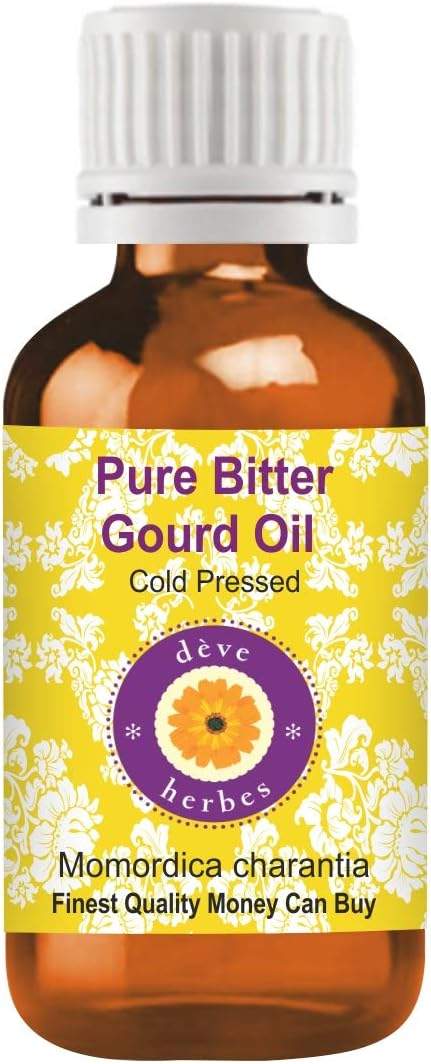
???? 1. Bitter Melon (Momordica charantia)
Benefits
Bitter melon is one of the most studied herbs for blood sugar control. Its active compounds — charantin, vicine, and polypeptide-p (plant insulin) — mimic insulin and help lower blood glucose.
Scientific Evidence
- A clinical trial published in Journal of Ethnopharmacology (2011) showed that bitter melon extract significantly reduced fasting blood glucose in type 2 diabetic patients.
- Animal studies confirm its ability to improve glucose uptake and regulate pancreatic beta-cells.
How to Use
- Fresh juice (30–50 ml daily)
- Bitter melon capsules or extract (500–1000 mg)
⚠️ Avoid during pregnancy as it may cause uterine contractions.
???? 2. Cinnamon (Cinnamomum cassia and Cinnamomum verum)
Benefits
Cinnamon is rich in cinnamaldehyde and polyphenols that enhance insulin sensitivity and slow carbohydrate breakdown.
Scientific Evidence
- A meta-analysis in Annals of Family Medicine (2013) found that cinnamon supplementation reduced fasting blood glucose and cholesterol in type 2 diabetes.
- A study in Diabetes Care (2003) reported improved insulin sensitivity and reduced HbA1c levels in patients consuming cinnamon daily.
How to Use
- 1–3 grams of cinnamon powder daily (sprinkled on food or as tea).
- Standardized extract capsules for precise dosing.
???? 3. Fenugreek (Trigonella foenum-graecum)
Benefits
Fenugreek seeds are high in soluble fiber and 4-hydroxyisoleucine, which help regulate blood glucose.
- Slows down carbohydrate absorption.
- Improves insulin secretion.
Scientific Evidence
- A study in International Journal for Vitamin and Nutrition Research (2009) showed fenugreek seed powder significantly reduced postprandial blood glucose.
- Clinical trials confirm reductions in HbA1c and improved glycemic control with regular fenugreek intake.
How to Use
- 10–15 grams of soaked fenugreek seeds daily.
- Fenugreek capsules (500–1000 mg).
???? 4. Gymnema Sylvestre (Gymnema sylvestre)
Benefits
Known in Ayurveda as “gurmar” (sugar destroyer), gymnema contains gymnemic acids that reduce sugar absorption in the intestines and regenerate pancreatic beta-cells.
Scientific Evidence
- Research in Diabetes, Obesity & Metabolism (2017) found gymnema supplementation reduced fasting glucose and improved insulin function.
- Animal studies confirm its beta-cell regenerative potential.
How to Use
- Gymnema tea or capsules (200–400 mg daily).
- Chewing gymnema leaves can reduce the sensation of sweetness.
???? 5. Turmeric (Curcuma longa)
Benefits
Turmeric contains curcumin, a powerful anti-inflammatory and antioxidant compound.
- Enhances insulin sensitivity.
- Protects against diabetic complications like neuropathy and nephropathy.
Scientific Evidence
- A study in Diabetes Care (2012) found curcumin supplementation prevented type 2 diabetes in prediabetic individuals.
- Curcumin has shown strong effects in reducing oxidative stress markers in diabetes.
How to Use
- 500–1000 mg standardized curcumin extract daily with black pepper (piperine) to improve absorption.
- Golden milk (turmeric with warm milk and pepper).
???? 6. Aloe Vera (Aloe barbadensis)
Benefits
Aloe vera gel and extracts help lower blood sugar by enhancing insulin sensitivity and reducing intestinal glucose absorption.
Scientific Evidence
- A meta-analysis in Journal of Clinical Pharmacy and Therapeutics (2016) confirmed aloe vera supplementation reduced fasting blood glucose and HbA1c.
- Animal studies support its role in pancreatic protection.
How to Use
- Aloe vera juice (10–20 ml daily).
- Aloe extract capsules (300–500 mg).
⚠️ Use purified aloe; raw latex can cause digestive upset.
???? 7. Ginseng (Panax ginseng and American ginseng)
Benefits
Ginseng is an adaptogen that regulates energy metabolism and improves glucose uptake.
Scientific Evidence
- A randomized trial in Diabetes Care (2000) found American ginseng lowered postprandial glucose levels.
- Korean red ginseng has also been shown to improve HbA1c and fasting blood sugar.
How to Use
- Ginseng tea (1 cup daily).
- Standardized extract (200–400 mg).
???? 8. Holy Basil (Ocimum sanctum, Tulsi)
Benefits
Holy basil is a sacred Ayurvedic herb with adaptogenic and antidiabetic properties.
- Enhances pancreatic beta-cell function.
- Improves stress management, indirectly stabilizing glucose.
Scientific Evidence
- A clinical study in Journal of Ethnopharmacology (1996) showed tulsi leaves lowered fasting and postprandial glucose in type 2 diabetic patients.
- Animal studies confirm its protective effect on pancreatic cells.
How to Use
- Fresh leaves or tulsi tea (2–3 cups daily).
- Tulsi extract capsules (300–600 mg).
???? 9. Garlic (Allium sativum)
Benefits
Garlic contains allicin and sulfur compounds that improve insulin sensitivity and cardiovascular health.
Scientific Evidence
- A study in Nutrition (2011) showed garlic supplementation reduced fasting glucose and improved cholesterol in type 2 diabetics.
- Animal studies confirm protective effects on pancreatic beta-cells.
How to Use
- 2–3 raw garlic cloves daily.
- Garlic capsules (300–500 mg).
???? 10. Berberine (from Berberis aristata, Coptis chinensis)
Benefits
Berberine is a bioactive alkaloid considered one of the most powerful natural antidiabetic compounds.
- Activates AMP-activated protein kinase (AMPK), improving glucose metabolism.
- Reduces insulin resistance and regulates gut microbiota.
Scientific Evidence
- A study in Metabolism (2008) found berberine was as effective as metformin in lowering blood glucose.
- Meta-analyses confirm reductions in HbA1c, fasting glucose, and insulin resistance.
How to Use
- Standardized berberine extract (500 mg, 2–3 times daily).
⚠️ Avoid during pregnancy or with strong medication without supervision.
???? Safety and Precautions
- Always consult a doctor before combining herbs with antidiabetic medications, as blood sugar may drop too low.
- Start with small doses and monitor glucose regularly.
- Pregnant or breastfeeding women should use these herbs cautiously.
✅ Conclusion
Managing diabetes requires a holistic approach combining diet, exercise, medical supervision, and natural support. Herbs such as bitter melon, cinnamon, fenugreek, gymnema, turmeric, aloe vera, ginseng, holy basil, garlic, and berberine have shown remarkable potential in lowering blood sugar and improving overall metabolic health.
When used wisely, these herbs can complement modern treatments and help reduce the risk of complications.
[10 top natural herbs to lower blood sugar levels (diabetes)]
???? Scientific References
- Grover JK, Yadav S, Vats V. (2011). Medicinal plants of India with antidiabetic potential. J Ethnopharmacol.
- Akilen R, et al. (2013). Cinnamon in type 2 diabetes. Ann Fam Med.
- Gupta A, et al. (2009). Fenugreek and glycemic control. Int J Vitam Nutr Res.
- Shanmugasundaram ER, et al. (2017). Gymnema sylvestre and diabetes. Diabetes Obes Metab.
- Chuengsamarn S, et al. (2012). Curcumin prevents type 2 diabetes. Diabetes Care.
- Poolsup N, et al. (2016). Aloe vera and glycemic control. J Clin Pharm Ther.
- Vuksan V, et al. (2000). American ginseng reduces postprandial glucose. Diabetes Care.
- Agrawal P, et al. (1996). Tulsi leaves in diabetes management. J Ethnopharmacol.
- Ried K, et al. (2011). Garlic and cardiovascular/diabetes outcomes. Nutrition.
- Yin J, et al. (2008). Berberine vs. metformin in type 2 diabetes. Metabolism.