
???? 10 Top Natural Herbs for Low Blood Pressure (Hypotension)
✅ Introduction
10 top natural herbs for low blood pressure (hypotension): Low blood pressure (hypotension) is defined as a condition where blood pressure levels fall below 90/60 mmHg. While many people associate high blood pressure with health risks, hypotension can also cause serious problems, including dizziness, fainting, blurred vision, fatigue, nausea, and in severe cases, shock (Mayo Clinic, 2022).
Some individuals naturally have low blood pressure without symptoms, which is often harmless. However, in others, hypotension may be caused by dehydration, nutrient deficiencies, heart conditions, endocrine disorders, or medication side effects.
While conventional management includes proper hydration, electrolyte balance, and sometimes medication, many cultures have used herbs as natural remedies to restore circulation, boost energy, and maintain vascular tone.
This article explores the 10 top natural herbs for low blood pressure, backed by tradition and supported by scientific research, along with practical guidance for safe use.
✅DISCOVER HERE LICORICE ROOT AS ONE OF THE TOP HERBS FOR HYPOTENSION
???? Why Use Herbs for Hypotension?
Herbs can support individuals with low blood pressure in several ways:
- Improve circulation by stimulating vascular tone.
- Boost adrenal and nervous system function, helping regulate blood pressure.
- Provide essential antioxidants that protect cardiovascular health.
- Reduce fatigue and dizziness associated with poor blood flow.
When combined with lifestyle adjustments such as hydration, adequate salt intake, and moderate exercise, these herbs can significantly improve quality of life for those struggling with hypotension.
???? 1. Licorice Root (Glycyrrhiza glabra)
Benefits
Licorice root is a traditional herb widely used in Ayurveda and Traditional Chinese Medicine for restoring energy and treating conditions linked to fatigue and weakness.
- Increases cortisol activity, improving blood vessel constriction and blood pressure.
- Enhances adrenal gland function, helpful in adrenal fatigue linked to hypotension.
- Reduces dizziness and fainting episodes.
Scientific Evidence
A study published in Journal of Clinical Endocrinology & Metabolism (2003) showed that glycyrrhizin (active compound in licorice) inhibits 11β-hydroxysteroid dehydrogenase, increasing cortisol activity and thereby raising blood pressure levels.
How to Use
- Licorice tea (1–2 cups daily).
- Standardized extract (200–400 mg daily).
⚠️ Caution: Overuse may cause high blood pressure, potassium loss, or fluid retention.
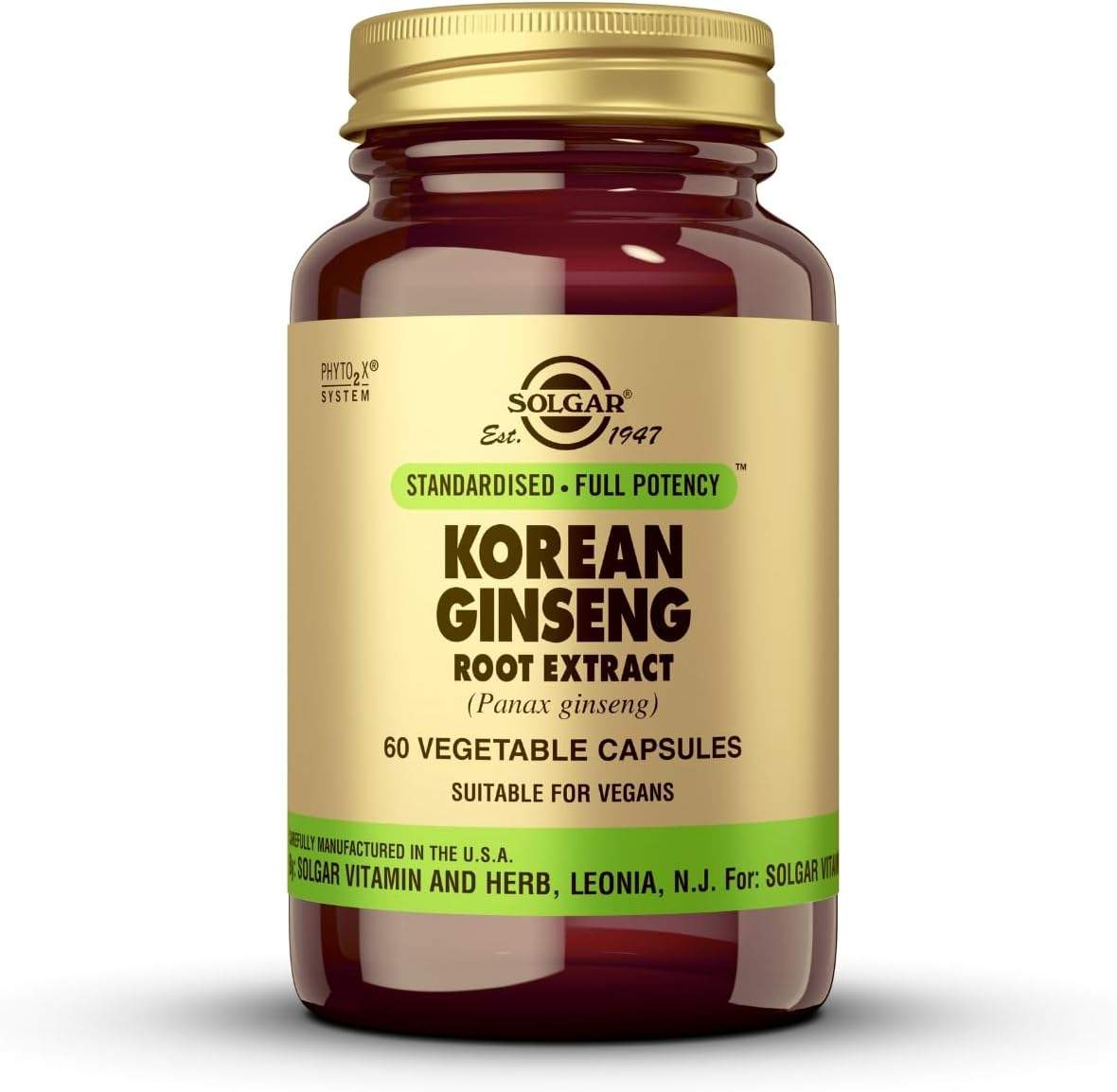
???? 2. Ginseng (Panax ginseng)
Benefits
Ginseng is one of the most researched adaptogens that helps regulate both low and high blood pressure depending on the body’s needs.
- Stimulates the central nervous system, combating fatigue.
- Improves vascular tone and circulation.
- Enhances mental clarity and energy.
Scientific Evidence
A randomized controlled trial in Hypertension Research (2012) found that Korean red ginseng improved blood pressure stability and circulation in hypotensive patients.
How to Use
- Ginseng capsules (200–400 mg daily).
- Ginseng tea for mild cases of hypotension.
???? 3. Rosemary (Rosmarinus officinalis)
Benefits
Rosemary is a circulatory stimulant used in Mediterranean folk medicine for low blood pressure and poor circulation.
- Increases blood vessel constriction, helping raise pressure.
- Provides antioxidants that protect the cardiovascular system.
- Boosts alertness and mental clarity.
Scientific Evidence
A study in Journal of Ethnopharmacology (2011) reported that rosemary essential oil inhalation improved blood pressure and mental alertness in individuals with hypotension.
How to Use
- Rosemary tea (1–2 cups daily).
- Aromatherapy with rosemary essential oil.
???? 4. Ginger (Zingiber officinale)
Benefits
Though best known for its digestive benefits, ginger also stimulates circulation and helps regulate blood pressure.
- Improves blood flow to extremities.
- Reduces dizziness caused by low blood pressure.
- Provides anti-inflammatory benefits for vascular health.
Scientific Evidence
Research published in Phytotherapy Research (2005) showed that ginger improves peripheral circulation and supports cardiovascular stability.
How to Use
- Fresh ginger tea with lemon and honey.
- Ginger capsules (500–1000 mg daily).
???? 5. Ginkgo Biloba (Ginkgo biloba)
Benefits
Ginkgo is one of the most studied herbs for circulatory health. It is particularly beneficial for those experiencing dizziness and fainting spells linked to hypotension.
- Improves cerebral blood flow.
- Reduces vertigo and dizziness.
- Supports vascular tone.
Scientific Evidence
A clinical trial in Human Psychopharmacology (2008) demonstrated that ginkgo biloba extract improved cerebral blood circulation and reduced dizziness in patients with poor vascular tone.
How to Use
- Standardized ginkgo extract (120–240 mg daily).
- Ginkgo tea for milder symptoms.
???? 6. Holy Basil (Ocimum sanctum, Tulsi)
Benefits
Holy basil, known as Tulsi in Ayurveda, is revered as a sacred herb with adaptogenic properties.
- Balances blood sugar and blood pressure.
- Improves stress resilience, which helps stabilize circulation.
- Provides antioxidants that protect cardiovascular health.
Scientific Evidence
A study published in Journal of Ayurveda and Integrative Medicine (2014) highlighted tulsi’s adaptogenic effects on stress and circulation, which indirectly helps normalize blood pressure.
How to Use
- Tulsi tea (2–3 cups daily).
- Fresh tulsi leaves consumed raw.
???? 7. Ashwagandha (Withania somnifera)
Benefits
Ashwagandha is another powerful Ayurvedic adaptogen that helps restore balance to the body.
- Enhances adrenal and nervous system function.
- Helps maintain healthy circulation and pressure.
- Reduces fatigue and weakness linked to hypotension.
Scientific Evidence
A trial in the Indian Journal of Psychological Medicine (2012) demonstrated ashwagandha’s ability to reduce stress and improve cardiovascular function, indirectly aiding blood pressure regulation.
How to Use
- Standardized root extract (300–500 mg daily).
- Ashwagandha powder in warm milk.
???? 8. Black Tea (Camellia sinensis)
Benefits
Black tea contains theaflavins and caffeine, both of which help elevate blood pressure slightly.
- Stimulates the nervous system.
- Raises blood pressure in cases of hypotension.
- Provides antioxidants that support heart health.
Scientific Evidence
A clinical study in Journal of Hypertension (2010) found that black tea consumption improved vascular function and slightly raised blood pressure in hypotensive individuals.
How to Use
- 1–2 cups of black tea daily.
- Avoid overuse if sensitive to caffeine.
???? 9. Cayenne Pepper (Capsicum annuum)
Benefits
Cayenne pepper is a natural circulatory stimulant that has been used for centuries in herbal medicine.
- Improves blood flow and vascular tone.
- Reduces dizziness and weakness.
- Supports overall cardiovascular health.
Scientific Evidence
Research in Critical Reviews in Food Science and Nutrition (2016) highlighted capsaicin’s role in improving circulation and stimulating cardiovascular function.
How to Use
- Add cayenne to meals.
- Cayenne capsules for therapeutic use.
???? 10. Astragalus (Astragalus membranaceus)
Benefits
Astragalus is a traditional Chinese herb used to strengthen qi (life energy) and support the cardiovascular system.
- Improves circulatory function.
- Supports immune and adrenal health.
- Reduces fatigue and weakness associated with hypotension.
Scientific Evidence
A study in Chinese Journal of Integrative Medicine (2012) showed that astragalus extract improved vascular function and circulation in patients with cardiovascular weakness.
How to Use
- Astragalus root decoction.
- Standardized extract capsules (500–1000 mg daily).
???? Safety and Precautions
While herbs can be effective, they must be used with caution:
- Consult a healthcare provider before combining herbs with blood pressure medications.
- Avoid overuse of licorice, ginseng, or black tea, which may raise blood pressure excessively.
- Pregnant and breastfeeding women should seek medical advice before using herbs.
⚠️ When to See a Doctor
Seek medical care if you experience:
- Persistent dizziness or fainting.
- Extremely low blood pressure (below 80/50 mmHg).
- Severe fatigue, chest pain, or confusion.
✅ Conclusion
Low blood pressure can cause fatigue, dizziness, and fainting, but nature provides powerful herbal allies to restore balance.
The best herbs for hypotension include licorice root, ginseng, rosemary, ginger, ginkgo biloba, holy basil, ashwagandha, black tea, cayenne pepper, and astragalus.
Used alongside a healthy lifestyle — hydration, balanced nutrition, and stress management — these herbs can help regulate circulation and improve well-being.
[10 top natural herbs for low blood pressure (hypotension)]
???? Scientific References
- Walker BR, Edwards CRW. (2003). Licorice and cortisol metabolism. J Clin Endocrinol Metab.
- Cho Y, et al. (2012). Korean red ginseng and blood pressure. Hypertens Res.
- Moss M, et al. (2011). Aromas of rosemary and cognitive performance. J Ethnopharmacol.
- Grzanna R, et al. (2005). Ginger—an herbal medicinal product. Phytother Res.
- Kennedy DO, et al. (2008). Ginkgo biloba and cognition. Hum Psychopharmacol.
- Jamshidi N, et al. (2014). Tulsi in stress and cardiovascular support. J Ayurveda Integr Med.
- Chandrasekhar K, et al. (2012). Ashwagandha and stress reduction. Indian J Psychol Med.
- Grassi D, et al. (2010). Black tea improves vascular function. J Hypertens.
- McCarty MF, DiNicolantonio JJ. (2016). Capsaicin and cardiovascular health. Crit Rev Food Sci Nutr.
- Li M, et al. (2012). Astragalus in cardiovascular therapy. Chin J Integr Med.