
???? 5 Top Natural Herbs with Antibacterial Properties: The Absolute Guide
5 top natural herbs with antibacterial properties: Bacterial infections remain a major concern worldwide, from minor skin irritations to more severe systemic illnesses. While modern antibiotics are essential, the rise of antibiotic resistance has sparked renewed interest in natural antibacterial herbs ????. Many herbs contain potent compounds that can inhibit bacterial growth, boost immunity, and support overall health.
In this comprehensive guide, we explore the 5 top natural herbs with antibacterial properties, backed by scientific research, and provide practical ways to use them safely.
????CLICK HERE TO SEE THE UNIQUE COLLECTION OF GARLIC !
???? Table of Contents
- ???? Garlic (Allium sativum)
- ???? Oregano (Origanum vulgare)
- ???? Thyme (Thymus vulgaris)
- ???? Echinacea (Echinacea purpurea)
- ???? Turmeric (Curcuma longa)
- ???? How to use these herbs safely
- ✅ Conclusion
- ???? Scientific References
???? 1. Garlic (Allium sativum)
Garlic is one of the most studied herbs for its antibacterial properties. It has been used in traditional medicine across cultures for thousands of years.
???? Active Compounds and Mechanism
Garlic contains allicin, a sulfur-containing compound formed when garlic is crushed or chopped. Allicin exhibits strong antibacterial activity against a wide range of bacteria, including Staphylococcus aureus, E. coli, and Salmonella (Ankri & Mirelman, 1999).
???? Scientific Evidence
A study published in the Journal of Antimicrobial Chemotherapy (2001) confirmed that garlic extract inhibits the growth of several pathogenic bacteria. Another trial demonstrated garlic’s ability to combat antibiotic-resistant strains, making it a valuable natural alternative.
???? Practical Uses
- Crush fresh garlic and add to food.
- Prepare garlic tea by boiling sliced garlic in water.
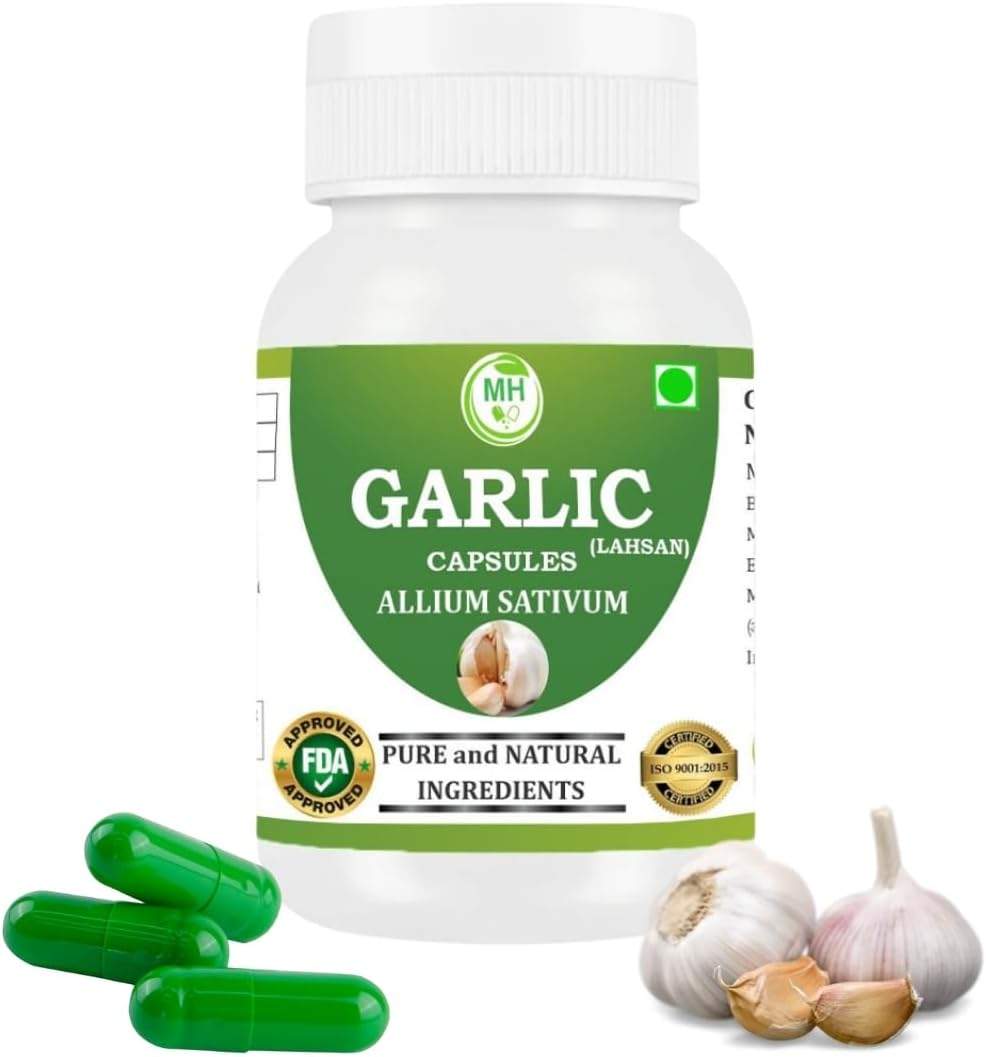
- Use garlic supplements if fresh garlic is difficult to consume.
???? 2. Oregano (Origanum vulgare)
Oregano is a Mediterranean herb widely known for its aromatic flavor and potent antibacterial and antioxidant properties.
???? Active Compounds
Oregano contains carvacrol and thymol, phenolic compounds responsible for its antibacterial action. These compounds disrupt bacterial cell membranes and inhibit their growth.
???? Scientific Evidence
Research published in Food Control (2007) showed that oregano oil effectively inhibits E. coli, Salmonella, and Listeria. Carvacrol, in particular, has demonstrated activity against both Gram-positive and Gram-negative bacteria (Burt, 2004).
???? Practical Uses
- Add fresh oregano leaves to meals.
- Use oregano essential oil diluted in a carrier oil for topical infections.
- Prepare oregano tea for internal support.
???? 3. Thyme (Thymus vulgaris)
Thyme is another herb with potent antibacterial effects, traditionally used in respiratory and gastrointestinal infections.
???? Active Compounds
Thyme contains thymol and carvacrol, similar to oregano, which damage bacterial cell membranes and inhibit growth.
???? Scientific Evidence
A study in Journal of Applied Microbiology (2007) demonstrated thyme oil’s effectiveness against Staphylococcus aureus, E. coli, and Pseudomonas aeruginosa. Another trial highlighted thyme’s role in preventing bacterial biofilms, which contribute to chronic infections.
???? Practical Uses
- Use thyme leaves in cooking.
- Inhale steam infused with thyme essential oil for respiratory infections.
- Prepare thyme tea to support immune function and bacterial defense.
???? 4. Echinacea (Echinacea purpurea)
Echinacea is widely used in herbal medicine to boost immunity and fight infections.
???? Active Compounds
Echinacea contains alkamides, caffeic acid derivatives, and polysaccharides, which stimulate immune cells and exhibit antibacterial activity.
???? Scientific Evidence
A review in Phytotherapy Research (2010) concluded that Echinacea extracts inhibit bacteria such as Streptococcus and Staphylococcus, and enhance the body’s natural defenses. Another clinical study found that Echinacea reduced the duration and severity of upper respiratory infections.
???? Practical Uses
- Drink Echinacea tea or tincture during the early stages of infection.
- Combine with other antibacterial herbs for synergistic effects.
???? 5. Turmeric (Curcuma longa)
Turmeric is a bright yellow spice renowned for its anti-inflammatory and antibacterial properties.
???? Active Compounds
The main active compound in turmeric is curcumin, which disrupts bacterial cell walls and inhibits bacterial growth. Curcumin has shown activity against Staphylococcus aureus, E. coli, and Helicobacter pylori (Heng et al., 2000).
???? Scientific Evidence
Research in Frontiers in Microbiology (2019) confirmed that curcumin and turmeric extracts exhibit broad-spectrum antibacterial activity, including against antibiotic-resistant strains. Turmeric also enhances wound healing and reduces infection risk.
???? Practical Uses
- Add turmeric powder to meals.
- Drink turmeric tea with black pepper to improve absorption.
- Apply turmeric paste topically for minor skin infections.
???? How to Use These Herbs Safely
- ???? Always consult a healthcare professional if taking prescription medications.
- ???? Herbs are supportive, not replacements for antibiotics in serious bacterial infections.
- ???? Use organic or high-quality herbs for best results.
- ⚠️ Essential oils must be diluted before topical use to avoid irritation.
- ???? Garlic and turmeric can interact with blood-thinning medications; consult your doctor.
✅ Conclusion
Natural herbs provide a powerful complement to modern medicine in combating bacterial infections. Garlic, oregano, thyme, echinacea, and turmeric stand out for their scientifically proven antibacterial properties ????.
Incorporating these herbs into your diet, teas, or topical remedies can help support immune function, reduce infection risk, and promote overall wellness. While not a replacement for prescription antibiotics in severe cases, these herbs are valuable tools for preventive health and minor infections.
[5 top natural herbs with antibacterial properties]
???? Scientific References
- Ankri S, Mirelman D. (1999). Antimicrobial properties of allicin from garlic. Microbes Infect.
- Burt S. (2004). Essential oils: Their antibacterial properties. Int J Food Microbiol.
- Heng MCY, et al. (2000). Antibacterial properties of curcumin. J Dermatol Sci.
- Fiore C, et al. (2008). Echinacea: A review of antibacterial and immunostimulant activity. J Ethnopharmacol.
- Schnitzler P, et al. (2007). Thyme oil and bacterial inhibition. J Appl Microbiol.
- Nostro A, et al. (2007). Oregano essential oil antibacterial activity. Food Control.
- Chrubasik S, et al. (2005). Garlic in bacterial infections. BMC Complement Altern Med.
- Frontiers in Microbiology. (2019). Curcumin’s antibacterial activity and resistance prevention.
[5 top natural herbs with antibacterial properties]