
⭐ Best Natural Herbs for Constipation: The Absolute Guide
Best natural herbs for constipation: Constipation is a common digestive issue affecting millions of people worldwide. It can cause discomfort, bloating, and abdominal pain, and if persistent, may lead to more serious gastrointestinal problems. While lifestyle changes, dietary fiber, and hydration are first-line approaches, many people turn to natural herbs ⭐ to support bowel regularity.
Herbs have been used for centuries to promote digestion, relieve constipation, and maintain gut health, and modern research is increasingly validating their efficacy. This article explores the best natural herbs for constipation, their active compounds, scientific evidence, and practical ways to use them safely.
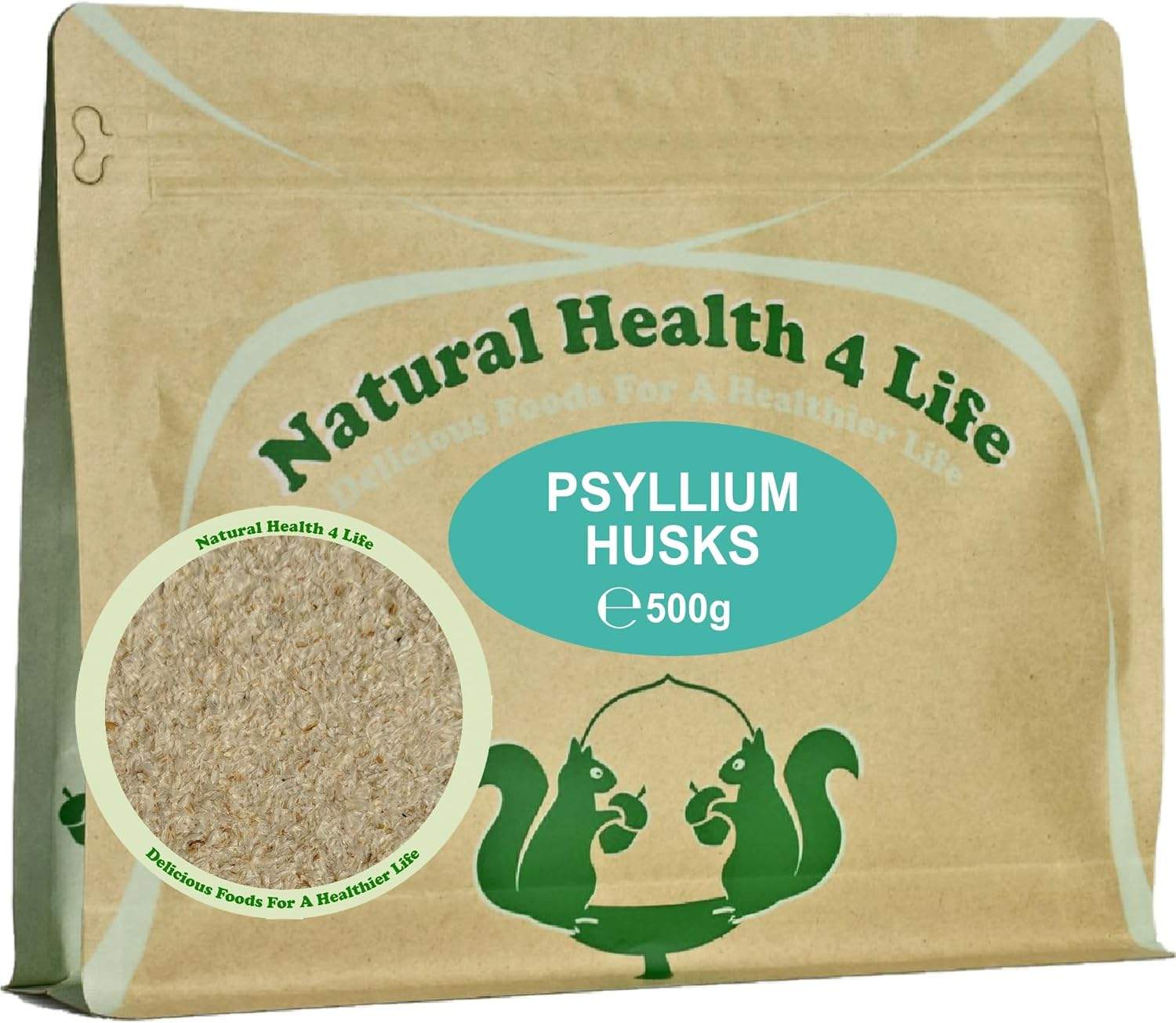
⭐CLICK HERE TO SEE THE UNIQUE COLLECTION OF PSYLLIUM !
⭐ Table of Contents
- ⭐ Psyllium (Plantago ovata)
- ⭐ Senna (Senna alexandrina)
- ⭐ Fennel (Foeniculum vulgare)
- ⭐ Ginger (Zingiber officinale)
- ⭐ Aloe Vera (Aloe barbadensis)
- ⭐ Other supportive herbs for digestion
- ⭐ How to use these herbs safely
- ✅ Conclusion
- ⭐ Scientific References
⭐ 1. Psyllium (Plantago ovata)
Psyllium is a soluble fiber-rich herb widely recognized for its gentle laxative properties.
⭐ How Psyllium Works
- Soluble fiber absorbs water in the intestines, forming a gel-like substance that softens stools and eases passage.
- Prebiotic effect: Psyllium feeds beneficial gut bacteria, promoting a healthy microbiome.
- Regulates bowel movements: It supports both constipation relief and overall digestive health.
⭐ Scientific Evidence
A study published in Alimentary Pharmacology & Therapeutics (Marlett et al., 2002) confirmed that psyllium effectively improves stool frequency and consistency in individuals with chronic constipation. Another trial demonstrated that psyllium supplementation enhances colonic transit time and promotes regular bowel habits.
⭐ Practical Uses
- Mix 1–2 teaspoons of psyllium husk in water or juice daily.
- Incorporate into smoothies or oatmeal for gradual digestive support.
- Drink plenty of water to maximize effectiveness and prevent bloating.
⭐ 2. Senna (Senna alexandrina)
Senna is a potent herbal laxative often used for occasional constipation. Its active compounds, sennosides, stimulate intestinal contractions.
⭐ How Senna Works
- Sennosides are metabolized by gut bacteria into compounds that irritate the colon lining, promoting peristalsis.
- Typically used for short-term relief, as prolonged use can lead to dependency.
⭐ Scientific Evidence
Research in Phytomedicine (Wagner et al., 1999) demonstrated that senna effectively increases bowel movement frequency and alleviates constipation in adults. A systematic review confirmed senna’s efficacy while noting the importance of careful dosing.
⭐ Practical Uses
- Senna tea is commonly used for mild, occasional constipation.
- Capsules or tablets are available but should be used only as directed.
- Avoid prolonged use (>1 week) without medical advice.
⭐ 3. Fennel (Foeniculum vulgare)
Fennel is a digestive herb traditionally used to relieve bloating, gas, and mild constipation.
⭐ Active Compounds
- Contains anethole, a compound with antispasmodic properties that relax intestinal muscles.
- Acts as a gentle stimulant for digestion.
⭐ Scientific Evidence
A study published in Journal of Ethnopharmacology (Badgujar et al., 2014) highlighted fennel’s ability to improve gastrointestinal motility and alleviate constipation-related discomfort. Another clinical trial demonstrated that fennel supplementation reduces bloating and promotes smoother bowel movements.
⭐ Practical Uses
- Fennel seeds can be chewed directly after meals.
- Prepare fennel tea by steeping crushed seeds in hot water.
- Combine with other digestive herbs for enhanced effect.
⭐ 4. Ginger (Zingiber officinale)
Ginger is widely known for its anti-inflammatory and digestive-supporting properties. It is particularly helpful for constipation accompanied by nausea or bloating.
⭐ How Ginger Works
- Stimulates gastrointestinal motility, helping move food through the intestines.
- Enhances digestive enzyme secretion, aiding nutrient absorption.
- Reduces inflammation in the gut, improving comfort during bowel movements.
⭐ Scientific Evidence
Research in World Journal of Gastroenterology (Lete & Allué, 2016) confirmed ginger’s ability to improve gastric emptying and alleviate constipation symptoms. Another study indicated that ginger can modulate intestinal contractions, promoting regularity.
⭐ Practical Uses
- Drink ginger tea 1–2 times daily.
- Add fresh ginger to meals or smoothies.
- Combine with lemon or honey for added soothing effects.
⭐ 5. Aloe Vera (Aloe barbadensis)
Aloe vera is not just for skin care; its gel and latex have laxative properties.
⭐ How Aloe Works
- Aloe latex contains anthraquinones, which stimulate bowel contractions.
- Aloe gel provides hydration and mucilage, easing stool passage.
- Supports gut healing due to anti-inflammatory compounds.
⭐ Scientific Evidence
A clinical study in BMC Complementary and Alternative Medicine (Surjushe et al., 2008) found that aloe latex supplementation improved bowel movement frequency and reduced constipation severity in adults.
⭐ Practical Uses
- Aloe juice can be consumed in small, controlled doses for constipation.
- Aloe latex should be used short-term to avoid dependency.
- Always choose high-quality, edible-grade aloe preparations.
⭐ Other Supportive Herbs for Digestion
- ⭐ Peppermint (Mentha piperita): Soothes intestinal muscles, relieves bloating.
- ⭐ Slippery Elm (Ulmus rubra): Coats intestines, eases stool passage.
- ⭐ Dandelion (Taraxacum officinale): Mild diuretic and digestive tonic.
- ⭐ Licorice Root (Glycyrrhiza glabra): Supports gut mucosa and motility.
⭐ How to Use These Herbs Safely
- Always consult a healthcare professional if constipation is chronic.
- Herbs like senna and aloe latex should be used short-term.
- Drink plenty of water to prevent dehydration when using fiber-rich herbs like psyllium.
- Start with small doses and gradually increase to monitor tolerance.
- Organic, high-quality herbs are preferred for safety and efficacy.
✅ Conclusion
Natural herbs provide a gentle, effective solution for constipation. Psyllium, senna, fennel, ginger, and aloe vera have proven efficacy, supported by modern scientific research ⭐. Incorporating these herbs, alongside a balanced diet, hydration, and regular physical activity, can promote healthy bowel function, relieve discomfort, and support digestive health.
While these herbs are generally safe for occasional use, consultation with a healthcare professional is recommended for persistent or severe constipation.
[Best natural herbs for constipation]
⭐ Scientific References
- Marlett JA, et al. (2002). Psyllium and chronic constipation: Clinical evidence. Alimentary Pharmacology & Therapeutics.
- Wagner H, et al. (1999). Senna: A herbal laxative review. Phytomedicine.
- Badgujar SB, et al. (2014). Fennel: Ethnopharmacology and gastrointestinal effects. J Ethnopharmacol.
- Lete I, Allué J. (2016). The effectiveness of ginger in gastrointestinal disorders. World J Gastroenterol.
- Surjushe A, et al. (2008). Aloe vera: Medicinal properties and clinical studies. BMC Complement Altern Med.
- Chrubasik S, et al. (2005). Herbal remedies for digestive health. BMC Complement Altern Med.
- Olivo C, et al. (2011). Herbal approaches to constipation and gut motility. Phytotherapy Research.
[Best natural herbs for constipation]