
???? 5 Best Natural Herbs for Sore Throat: The Absolut Guide
5 best natural herbs for sore throat: A sore throat is one of the most common ailments affecting millions of people worldwide every year. Whether caused by viral infections such as the common cold or flu, bacterial infections like Streptococcus pyogenes, or environmental irritants such as pollution and dry air, the discomfort can be frustrating. Symptoms often include pain, scratchiness, difficulty swallowing, and swelling of the throat and tonsils.
While modern medicine offers treatments such as lozenges, sprays, and antibiotics (in cases of bacterial infection), natural herbs have been used for centuries to soothe sore throats ????. Scientific research increasingly confirms the traditional use of certain herbs, which can provide anti-inflammatory, antimicrobial, and soothing effects.
In this article, we will explore the 5 best natural herbs for sore throat, how they work, and the scientific evidence supporting them.
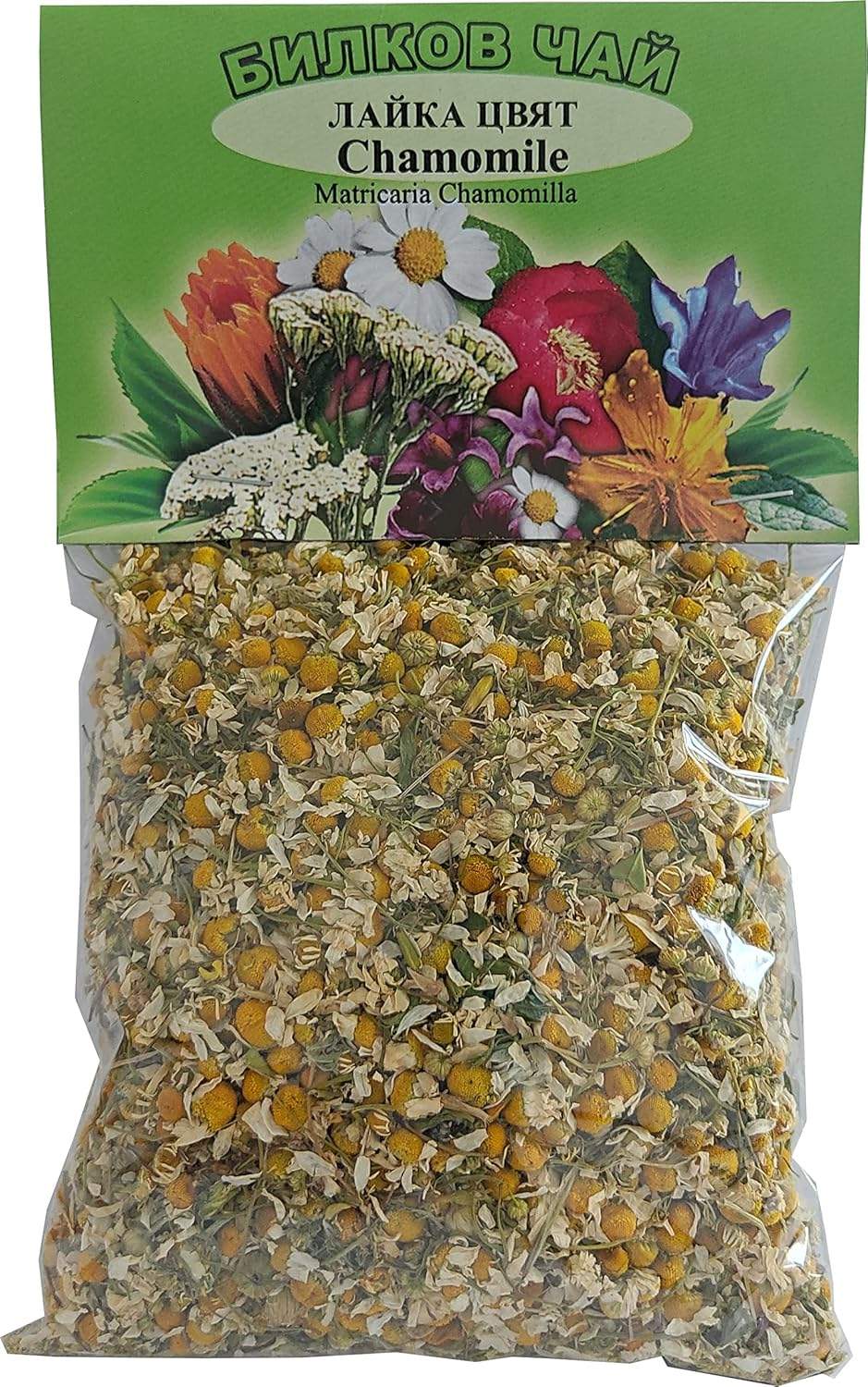
????CLICK HERE TO CHECK THE UNIQUE COLLECTION OF CHAMOMILE !
???? Table of Contents
- ???? Chamomile (Matricaria chamomilla)
- ???? Licorice Root (Glycyrrhiza glabra)
- ???? Sage (Salvia officinalis)
- ???? Marshmallow Root (Althaea officinalis)
- ???? Ginger (Zingiber officinale)
- ???? Other supportive herbs worth mentioning
- ✅ Safety tips for using herbs in sore throat
- ???? Scientific References
???? Chamomile (Matricaria chamomilla)
Chamomile is one of the most widely used medicinal herbs in the world. Known for its calming and anti-inflammatory properties, chamomile has been a traditional remedy for respiratory and throat issues for centuries.
???? How Chamomile Helps with Sore Throat
- Anti-inflammatory effects: Chamomile contains flavonoids like apigenin, which help reduce inflammation in throat tissues.
- Antimicrobial action: Studies show chamomile has mild antibacterial and antiviral properties, which may prevent secondary infections.
- Soothing effect: Drinking chamomile tea or inhaling chamomile steam can moisturize and soothe irritated mucous membranes.
???? A study published in Molecular Medicine Reports (Srivastava et al., 2010) highlighted chamomile’s anti-inflammatory and antimicrobial effects, making it effective for relieving sore throat symptoms.
???? How to use:
- Drink chamomile tea 2–3 times daily.
- Inhale chamomile steam by adding dried flowers or tea bags to hot water.
???? Licorice Root (Glycyrrhiza glabra)
Licorice root has been used in traditional Chinese and Ayurvedic medicine for centuries. Its sweet flavor masks bitterness, and its medicinal compounds make it one of the most effective herbs for throat conditions.
???? Why Licorice Works for Sore Throat
- Anti-inflammatory properties: Licorice contains glycyrrhizin, which reduces swelling and irritation.
- Antiviral activity: Research published in Journal of Ethnopharmacology (Fiore et al., 2008) demonstrated licorice root’s antiviral properties against respiratory viruses.
- Soothing mucilage: Licorice root coats the throat lining, providing immediate relief from dryness and pain.
???? A randomized clinical trial (Ahuja et al., 2013, Anesthesia & Analgesia) showed that gargling with licorice solution significantly reduced sore throat symptoms after surgery compared to placebo.
???? How to use:
- Prepare licorice tea by boiling dried root.
- Use licorice powder in warm water as a gargle.
⚠️ Note: Long-term use of licorice root can raise blood pressure. It should be used cautiously in hypertensive patients.
???? Sage (Salvia officinalis)
Sage is a powerful medicinal herb native to the Mediterranean. It has been traditionally used for mouth, throat, and respiratory problems.
???? Sage’s Benefits for Sore Throat
- Antimicrobial effects: Sage contains essential oils (thujone, camphor) with strong antibacterial and antifungal activity.
- Anti-inflammatory properties: According to Phytomedicine (Blumenthal et al., 2000), sage extracts reduce throat inflammation.
- Clinical evidence: A double-blind clinical trial (Schnitzler et al., 2009) found that a sage throat spray was as effective as conventional treatment for sore throat pain.
???? How to use:
- Gargle with sage tea (steep fresh/dried leaves in hot water).
- Use sage sprays available in health stores.
???? Marshmallow Root (Althaea officinalis)
Not to be confused with the sweet marshmallow candy, marshmallow root is a traditional herbal remedy rich in mucilage.
???? Why Marshmallow Root is Effective
- Mucilage content: Creates a protective coating on mucous membranes, easing dryness and irritation.
- Anti-cough and soothing: According to Journal of Ethnopharmacology (Deters et al., 2010), marshmallow extracts significantly reduce throat irritation and cough.
- Moisturizing effect: Hydrates throat tissues, preventing further irritation.
???? How to use:
- Prepare a cold infusion: soak the dried root in cold water overnight and sip throughout the day.
- Combine marshmallow root tea with honey for extra soothing effect.
???? Ginger (Zingiber officinale)
Ginger is one of the most versatile medicinal plants, widely known for its anti-inflammatory and antimicrobial properties.
???? Benefits of Ginger for Sore Throat
- Anti-inflammatory: Gingerols and shogaols reduce throat swelling and pain.
- Antimicrobial: A study in BMC Complementary Medicine and Therapies (Chrubasik et al., 2005) confirmed ginger’s antimicrobial action against common pathogens.
- Immune support: Ginger boosts the immune system, helping fight off the root cause of the sore throat.
???? How to use:
- Drink ginger tea with lemon and honey.
- Use fresh ginger slices in hot water.
???? Other Supportive Herbs Worth Mentioning
While the above five are the most scientifically supported, other herbs can also help soothe sore throats:
- ???? Peppermint (Mentha piperita): Cooling menthol eases throat discomfort.
- ???? Lemon balm (Melissa officinalis): Calming and antiviral.
- ???? Turmeric (Curcuma longa): Anti-inflammatory powerhouse.
- ???? Honey (not an herb, but a natural remedy): Proven to soothe cough and throat irritation.
✅ Safety Tips for Using Herbs in Sore Throat
- Always consult a healthcare professional before starting herbal remedies, especially if pregnant, breastfeeding, or on medication.
- Herbs are supportive remedies—not replacements for medical treatment in severe infections like strep throat.
- Use high-quality, organic herbs for maximum effectiveness.
- Discontinue use if you notice allergic reactions.
[5 best natural herbs for sore throat]
???? Scientific References
- Srivastava JK, et al. (2010). Chamomile: A herbal medicine of the past with a bright future. Mol Med Rep.
- Fiore C, et al. (2008). Licorice: From uses to molecular mechanisms. J Ethnopharmacol.
- Ahuja V, et al. (2013). Licorice gargle and sore throat prevention. Anesth Analg.
- Blumenthal M, et al. (2000). Sage: Phytomedicine clinical evidence. Phytomedicine.
- Schnitzler P, et al. (2009). Efficacy of sage spray in acute pharyngitis. Eur J Med Res.
- Deters A, et al. (2010). Marshmallow root extract and throat irritation. J Ethnopharmacol.
- Chrubasik S, et al. (2005). Zingiber officinale and health benefits. BMC Complement Med Ther.
[5 best natural herbs for sore throat]