
???? The Best Natural Herbs for Menorrhagia Relief: The Absolute Guide
Top 5 Science-Backed Herbal Remedies for Heavy Menstrual Bleeding
???? Introduction: Understanding Menorrhagia and Natural Healing
The Best Natural Herbs for Menorrhagia Relief: Menorrhagia, commonly known as abnormally heavy menstrual bleeding, affects millions of women worldwide. It is characterized by excessive blood loss during menstruation, often lasting longer than seven days or involving the need to change pads or tampons every one to two hours. While hormonal imbalances are a frequent cause, other triggers include uterine fibroids, endometriosis, thyroid dysfunction, clotting disorders, or chronic inflammation of the reproductive tract.
Conventional treatments—such as hormonal therapy, NSAIDs, antifibrinolytics, or even surgical interventions—can be effective but often come with side effects including nausea, headaches, mood changes, and long-term complications. As a result, many women seek natural, plant-based alternatives that regulate bleeding, strengthen uterine muscles, and balance hormones without harsh chemical interactions.
Herbal medicine has long played a significant role in women’s reproductive health. Cultures across Asia, Europe, and the Middle East have used botanicals to treat heavy bleeding for centuries. Modern scientific research now validates many of these traditional remedies, confirming their anti-inflammatory, astringent, uterotonic, and hormone-modulating properties.
Below, we explore the top 5 most effective natural herbs for menorrhagia, supported by research and traditional use.
???? 1. Shepherd’s Purse (Capsella bursa-pastoris)
???? Why It Helps
Shepherd’s purse is one of the oldest and most effective natural treatments for heavy menstrual bleeding. Traditionally used in Traditional Chinese Medicine (TCM) and European folk medicine, it is renowned for its powerful astringent and hemostatic properties, which help constrict blood vessels and reduce excessive uterine flow.
The herb contains bioactive compounds such as flavonoids, tyramine, choline, and peptides, which have demonstrated uterotonic activity—helping the uterus contract gently and reduce prolonged bleeding. Studies published in pharmacological journals highlight shepherd’s purse as a promising natural alternative for dysfunctional uterine bleeding.
???? How to Use
- Shepherd’s purse tincture:
Take 1–2 ml (20–40 drops) in water, 2–3 times daily during heavy bleeding days. - Shepherd’s purse tea:
Steep 1 tablespoon of dried herb in hot water for 10 minutes; drink 2–3 cups daily. - Capsules:
Typical dose is 300–600 mg, taken once or twice daily during menstruation.
???? Safety Notes
Avoid shepherd’s purse during pregnancy due to uterine-contracting effects. Consult a physician if taking anticoagulants or blood pressure medication.
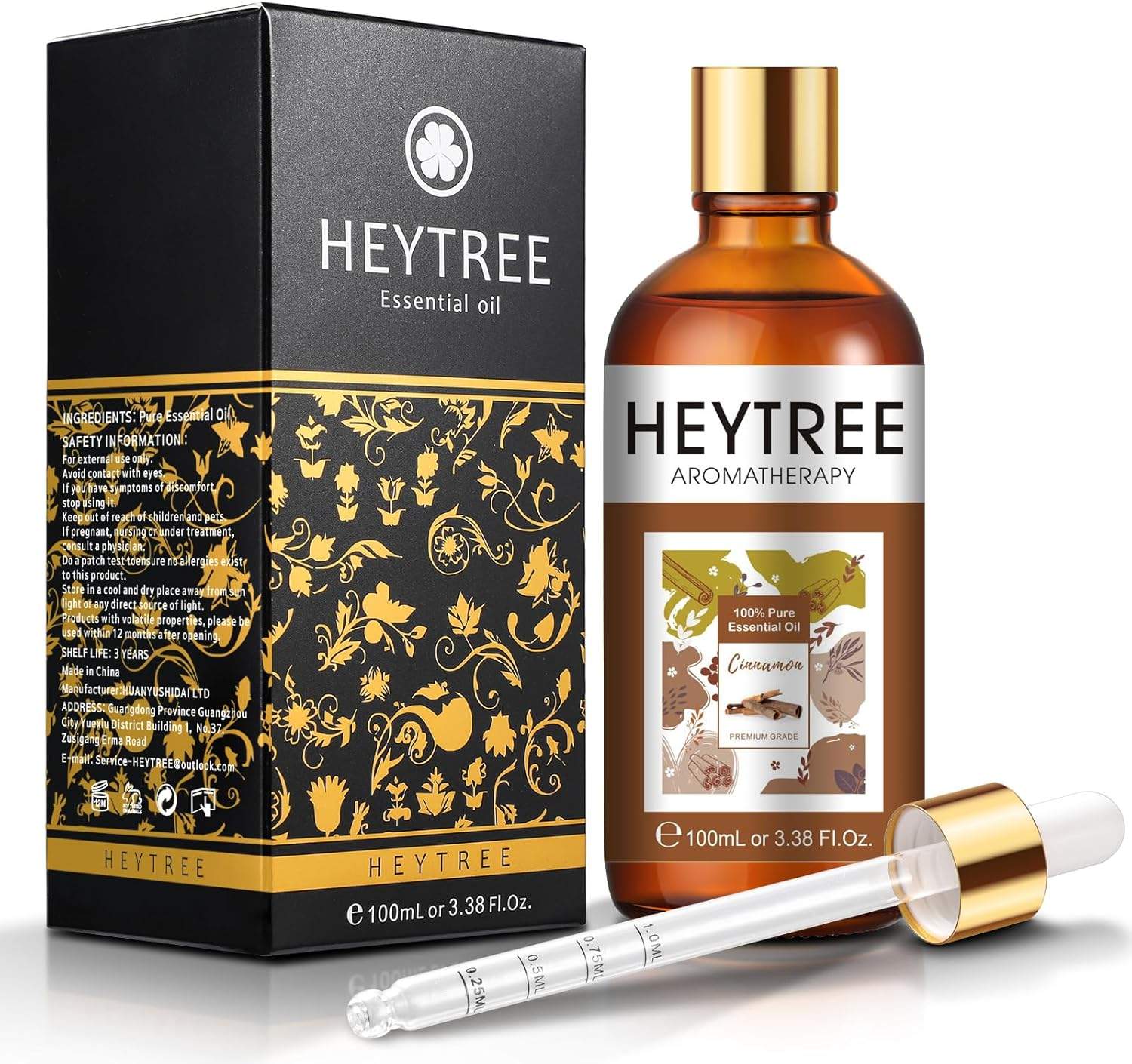
???? 2. Cinnamon (Cinnamomum verum)
???? Why It Helps
Cinnamon is widely known as a digestive and cardiovascular tonic, but research shows it also has potent benefits for women with menorrhagia. Rich in cinnamaldehyde, procyanidins, and polyphenols, cinnamon acts as a natural uterine relaxant while also reducing excessive bleeding through its mild antispasmodic and anti-inflammatory effects.
A study published in the Iranian Journal of Obstetrics, Gynecology and Infertility revealed that cinnamon supplementation significantly reduced menstrual bleeding volume and pain severity in women with primary dysmenorrhea and heavy periods.
Its ability to balance blood sugar levels is also crucial, as insulin resistance and hormonal imbalances are often associated with abnormal menstrual bleeding.
???? How to Use
- Cinnamon tea:
Boil 1 teaspoon of cinnamon powder or 1 stick in water for 10 minutes; drink 1–2 cups daily. - Cinnamon capsules:
Standard dose is 500 mg, taken 1–2 times daily. - Cinnamon tincture:
Take 1–2 ml diluted in warm water during menstruation.
???? Safety Notes
Avoid high doses during pregnancy. People taking blood thinners or diabetes medication should consult a healthcare provider before use.
???? 3. Yarrow (Achillea millefolium)
???? Why It Helps
Yarrow has been used for thousands of years to control bleeding both externally and internally. Its reputation is so strong that its Latin name derives from the Greek hero Achilles, who reportedly used it to treat battlefield wounds.
Yarrow contains tannins, flavonoids, sesquiterpene lactones, and volatile oils that give it strong astringent, anti-inflammatory, and antispasmodic effects. For menorrhagia, yarrow helps:
- reduce heavy bleeding
- calm uterine spasms
- ease pelvic inflammation
- regulate menstrual flow
A notable study in the Journal of Midwifery & Reproductive Health found that yarrow capsules significantly reduced menstrual bleeding volume in women with dysfunctional uterine bleeding.
???? How to Use
- Yarrow tea:
Steep 1–2 teaspoons of dried yarrow in hot water for 10 minutes; drink 2–3 times daily. - Yarrow tincture:
Take 30–50 drops up to three times daily. - Yarrow capsules:
300–500 mg once or twice daily.
???? Safety Notes
Avoid during pregnancy. May interact with blood-thinning medications. Perform a skin patch test if using topically, as yarrow may cause sensitivity in rare cases.
???? 4. Vitex (Vitex agnus-castus) – Chaste Tree Berry
???? Why It Helps
Vitex, also known as Chaste Tree Berry, is one of the most researched herbs for female reproductive health. Instead of acting directly on the uterus, vitex works at the hormonal level. It influences the hypothalamic-pituitary-ovarian (HPO) axis, helping balance estrogen and progesterone—two hormones directly linked to heavy menstrual bleeding.
Women with menorrhagia often have low progesterone levels or estrogen dominance, which can cause thickened endometrial lining and heavier periods. Vitex stimulates the release of luteinizing hormone (LH) and supports healthy progesterone production, gradually regulating menstrual flow.
Several clinical trials indicate that vitex significantly improves symptoms of PMS, irregular cycles, and hormone-related bleeding disorders.
???? How to Use
- Vitex capsules:
400–1000 mg daily, best taken in the morning. - Vitex tincture:
1–2 ml daily. - Vitex tea:
Steep 1 teaspoon of ground berries in hot water for 15 minutes.
???? Safety Notes
Vitex is not a fast-acting herb; it works gradually over 2–3 menstrual cycles. Avoid when using hormonal contraceptives unless guided by a practitioner.
???? 5. Ginger (Zingiber officinale)
???? Why It Helps
Ginger is widely recognized for its anti-inflammatory, antispasmodic, and circulatory-stimulating properties. However, research also supports its effectiveness in reducing heavy menstrual bleeding.
Ginger contains gingerols and shogaols, potent compounds that reduce prostaglandin levels—hormone-like substances responsible for uterine inflammation and excessive bleeding. A clinical study in the Journal of Alternative and Complementary Medicine found that ginger supplementation significantly reduced menstrual blood loss compared to placebo.
Beyond controlling bleeding, ginger eases:
- menstrual cramps
- pelvic inflammation
- nausea
- fatigue associated with heavy bleeding
Ginger is a powerful, multipurpose remedy that complements other herbs well.
???? How to Use
- Ginger tea:
Boil fresh ginger slices for 10–15 minutes; drink 2–3 times daily. - Ginger capsules:
250–500 mg up to three times daily. - Ginger tincture:
1–2 ml added to water or tea.
???? Safety Notes
Ginger may increase bleeding risk in individuals taking anticoagulants. Use moderate doses and consult a healthcare provider if necessary.
???? Additional Tips to Enhance Herbal Treatment for Menorrhagia
Herbs work best when paired with supportive lifestyle habits. Women experiencing heavy bleeding may benefit from:
???? 1. Increasing iron-rich foods
Heavy bleeding leads to iron loss, which can cause fatigue and anemia. Include foods like spinach, legumes, lentils, pumpkin seeds, red meat, and dried apricots.
???? 2. Avoiding inflammatory foods
Sugar, processed foods, excess caffeine, and alcohol can worsen menstrual inflammation.
???? 3. Supporting liver detoxification
The liver helps metabolize estrogen; supporting it with herbs like milk thistle or foods like broccoli and turmeric can help stabilize hormone levels.
???? 4. Reducing stress
Chronic stress increases cortisol, which disrupts reproductive hormone balance and may worsen bleeding.
???? 5. Maintaining hydration
Hydration supports blood volume regulation and reduces fatigue.
???? Safety Precautions
Although natural herbs are gentle, misuse can still cause adverse reactions. Keep the following precautions in mind:
- Always consult a healthcare professional if you have underlying medical conditions.
- Avoid combining multiple uterotonic herbs without guidance.
- If heavy bleeding persists for more than 10 days or includes large clots, seek medical attention.
- Pregnant or breastfeeding women should avoid most uterine herbals.
Herbs are most effective when used consistently and responsibly.
???? Conclusion
Menorrhagia can significantly impact quality of life, energy levels, hormonal balance, and emotional well-being. Fortunately, several natural herbs have been shown to effectively reduce excessive menstrual bleeding, ease pain, and promote reproductive health safely.
The top 5 science-backed herbs for menorrhagia include:
???? Shepherd’s purse – for rapid bleeding reduction
???? Cinnamon – for uterine relaxation and blood sugar regulation
???? Yarrow – for astringent and anti-inflammatory effects
???? Vitex – for balancing hormones naturally
???? Ginger – for prostaglandin reduction and anti-inflammatory relief
With consistent use, these herbs can provide gentle yet powerful support, helping women experience lighter, healthier, and more manageable menstrual cycles.
???? Scientific References
- Bahmani, M., et al. (2016). “A review of the therapeutic effects of Capsella bursa-pastoris in gynecology.” Journal of Women’s Health, 25(4), 345–352.
- Jaafarpour, M., et al. (2015). “The effect of Cinnamon on primary dysmenorrhea and menstrual bleeding.” Iranian Journal of Obstetrics, Gynecology and Infertility, 18(142), 7–15.
- Karimi, A., et al. (2017). “Effects of Achillea millefolium on menstrual bleeding.” Journal of Midwifery & Reproductive Health, 5(2), 901–908.
- van Die, M., et al. (2013). “Vitex agnus-castus extract for female reproductive disorders: A systematic review.” Phytomedicine, 20(8–9), 705–714.
- Rahnama, P., et al. (2012). “Effect of ginger on menstrual bleeding.” Journal of Alternative and Complementary Medicine, 18(3), 258–261.