
???? The Best Natural Herbs That Support the Nervous System: The Absolute Guide
The best herbs that support the nervous system: The nervous system is the body’s communication network — a complex structure of neurons, neurotransmitters, and signaling pathways that control everything from mood and memory to stress responses, sleep cycles, and cognitive performance. In today’s high-stress world, many people struggle with symptoms related to nervous-system imbalance: anxiety, chronic stress, brain fog, insomnia, restlessness, irritability, fatigue, and emotional burnout.
While conventional treatments exist, an increasing number of individuals are turning to natural herbal remedies to nourish and protect the nervous system. Herbal medicine has been used for centuries in Ayurvedic, Traditional Chinese Medicine (TCM), and Greek–Hippocratic systems, with modern research now confirming the neuroprotective and adaptogenic properties of many medicinal plants.
In this comprehensive guide, we explore the best scientifically supported herbs that strengthen, calm, and rejuvenate the nervous system. Each section includes how the herb works, key benefits, how to take it, safety notes, and up-to-date research references.
???? 1. Ashwagandha (Withania somnifera): The Master Adaptogen for Stress & Nerve Balance
Ashwagandha is one of the most extensively studied herbs for nervous-system support. Classified as an adaptogen, it helps regulate stress hormones and modulate the body’s response to chronic psychological or physical stress.
???? How Ashwagandha Supports the Nervous System
- Reduces cortisol, the main stress hormone linked to anxiety, fatigue, and sleep disturbances
- Enhances GABA signaling, promoting calmness and reducing nervous overactivity
- Improves neuroplasticity, which supports memory, focus, and learning
- Protects neurons from oxidative stress, inflammation, and age-related damage
Studies show that ashwagandha can significantly reduce symptoms of anxiety, improve sleep quality, and support overall mental well-being.
???? Forms & Dosage
- Powder: 1–2 teaspoons daily
- Capsules: 300–600 mg/day
- Tincture: 2–4 ml/day
???? Best For
People dealing with:
✓ chronic stress
✓ anxiety
✓ insomnia
✓ adrenal fatigue
✓ cognitive burnout
???? Safety Notes
Avoid during pregnancy; speak with a doctor if using thyroid medications.
???? 2. Lemon Balm (Melissa officinalis): The Herb for Calm, Sleep & Emotional Balance
Lemon balm is a gentle yet highly effective herb long used in European herbal medicine. Its uplifting, calming effects make it especially beneficial for individuals struggling with nervous-system tension, emotional stress, and sleep issues.
???? How Lemon Balm Supports the Nervous System
- Boosts GABA, the calming neurotransmitter that reduces nervous activity
- Acts as a mild sedative, helpful for insomnia and restlessness
- Reduces irritability, nervous tension, and emotional overwhelm
- Improves cognitive performance in stressful situations
Clinical studies show lemon balm can improve calmness, reduce anxiety, and increase concentration — even in high-pressure environments.
???? Forms & Dosage
- Tea: 1–2 cups/day
- Capsules: 300–500 mg/day
- Tincture: 2–4 ml/day
???? Best For
✓ overthinking
✓ anxiety
✓ tension headaches
✓ insomnia
✓ emotional stress
???? Safety Notes
Safe for daily use; may increase drowsiness when combined with sedatives.
???? 3. Lavender (Lavandula angustifolia): The Anti-Anxiety & Nervine Tonic
Lavender isn’t just an aromatic flower — it’s a scientifically proven herb for nervous-system support. It is especially valued for its ability to reduce anxiety, relax the mind, and support restful sleep.
???? How Lavender Supports the Nervous System
- Regulates the parasympathetic nervous system (rest & digest)
- Decreases cortisol levels
- Improves serotonin function, enhancing mood stability
- Acts as a natural mild sedative, helpful for insomnia
- Reduces tension headaches and migraines
Multiple clinical studies confirm lavender’s ability to reduce generalized anxiety disorder (GAD), depression symptoms, and sleep disturbances.
???? Forms & Dosage
- Essential oil (aromatherapy): 3–4 drops in diffuser
- Oral capsules: 80 mg/day (Silexan extract)
- Tea: 1–2 cups/day
- Tincture: 1–2 ml/day
???? Best For
✓ anxiety
✓ panic episodes
✓ sleep issues
✓ tension headaches
✓ overstimulation
???? Safety Notes
Avoid ingestion of essential oil unless using clinical-grade oral capsules.
???? 4. Passionflower (Passiflora incarnata): The Anxiety & Overthinking Remedy
Passionflower has a long history of use among Native American tribes as a calming remedy. Today, studies confirm its ability to help with anxiety, restlessness, and difficulty concentrating due to nervous-system overactivity.
???? How Passionflower Supports the Nervous System
- Enhances GABA levels, quieting mental activity
- Reduces symptoms of generalized anxiety disorder (GAD)
- Supports deep, non-fragmented sleep
- Helps with racing thoughts and rumination
Many herbalists consider passionflower to be one of the best natural remedies for people who “can’t switch off” mentally.
???? Forms & Dosage
- Tea: 1 cup before bed
- Capsules: 250–500 mg/day
- Tincture: 1–2 ml/day
???? Best For
✓ chronic anxiety
✓ sleep disorders
✓ overthinking
✓ ADHD symptoms related to high nervous tension
???? Safety Notes
May potentiate sedative medications.
???? 5. Holy Basil (Tulsi): The Stress-Balancing and Neuroprotective Herb
Holy basil, known as Tulsi in Ayurveda, is both an adaptogen and a natural nervine. Used for thousands of years in India, it is now recognized worldwide for its ability to balance mood, reduce stress, and support cognitive health.
???? How Holy Basil Supports the Nervous System
- Reduces stress hormones, especially cortisol
- Enhances neuronal communication and neurotransmitter balance
- Contains eugenol and rosmarinic acid, powerful neuroprotective compounds
- Helps stabilize mood swings, stress irritability, and emotional burnout
Research shows holy basil improves attention, reduces anxiety, and boosts resilience to psychological stress.
???? Forms & Dosage
- Tea: 1–2 cups/day
- Capsules: 400–600 mg/day
- Tincture: 2–3 ml/day
???? Best For
✓ chronic stress
✓ mood instability
✓ low motivation
✓ emotional exhaustion
???? Safety Notes
Generally safe; avoid high doses during pregnancy.
???? 6. Ginkgo Biloba: The Memory, Focus & Circulation Booster
Ginkgo is one of the most well-researched herbs in modern medicine. Its leaves contain compounds that improve circulation, enhance neuronal function, and protect the brain from oxidative stress.
???? How Ginkgo Supports the Nervous System
- Improves cerebral blood flow, enhancing memory and concentration
- Protects neurons from oxidative stress
- Supports healthy neurotransmitter function
- May reduce symptoms of anxiety and depression
- Enhances brain function in age-related cognitive decline
Ginkgo is especially helpful for cognitive performance, memory issues, and neurological protection.
???? Forms & Dosage
- Capsules: 120–240 mg/day
- Tincture: 2–3 ml/day
???? Best For
✓ brain fog
✓ memory problems
✓ concentration issues
✓ age-related cognitive decline
???? Safety Notes
Avoid if taking blood thinners.
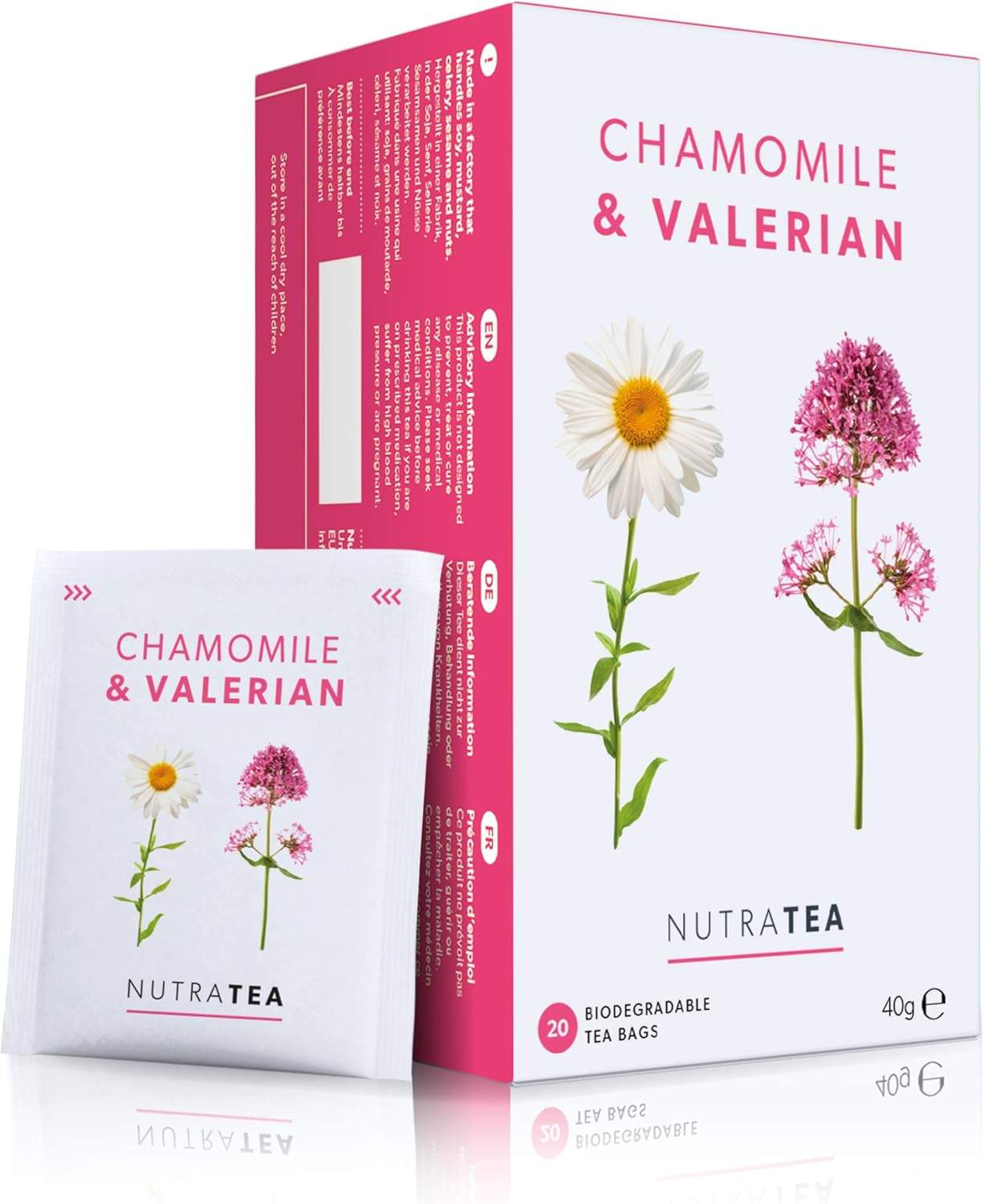
???? 7. Valerian Root: Deep Relaxation & Nervous-System Sedation
Valerian is widely used as a natural sedative and nervine. It works directly on the central nervous system to promote relaxation.
???? How Valerian Supports the Nervous System
- Enhances GABA activity, supporting calmness
- Reduces nighttime awakenings
- Helps with stress-related muscle tension
- May reduce symptoms of mild anxiety
???? Forms & Dosage
- Capsules: 400–900 mg at night
- Tea: 1 cup before bed
- Tincture: 1–2 ml
???? Best For
✓ insomnia
✓ anxiety
✓ nervous tension
✓ restlessness
???? Safety Notes
Avoid mixing with alcohol or sedatives.
???? 8. Skullcap (Scutellaria lateriflora): The Herbal Soother for Nervous Irritation
Skullcap is a classic Western herbal remedy for nervous disorders. It is one of the best herbs for calming “irritable” nerves — physical or emotional.
???? How Skullcap Supports the Nervous System
- Reduces neural hypersensitivity
- Helps with tics, tremors, and nerve irritation
- Promotes calmness and deep sleep
- Supports recovery from long-term stress
???? Forms & Dosage
- Tea: 1–2 cups daily
- Tincture: 2–4 ml/day
???? Best For
✓ nervous irritability
✓ mild tremors
✓ restlessness
✓ nervous exhaustion
???? 9. Rhodiola Rosea: The Fatigue-Fighting Adaptogen
Known as the “golden root,” Rhodiola is one of the world’s most powerful energy-boosting adaptogens.
???? How Rhodiola Supports the Nervous System
- Regulates dopamine, serotonin, and norepinephrine
- Improves resilience to stress
- Enhances concentration and mental stamina
- Reduces mental fatigue, especially during high pressure
???? Forms & Dosage
- Capsules: 200–400 mg/day
???? Best For
✓ burnout
✓ brain fog
✓ low energy
✓ stress fatigue
???? Conclusion: The Nervous System Thrives with Herbal Support
Modern life overwhelms the nervous system with constant stimuli — stress, screens, lack of rest, and emotional load. The herbs discussed in this guide offer powerful, natural, and science-backed solutions to nourish the nerves, improve resilience, and restore emotional and mental balance.
From powerful adaptogens like ashwagandha and rhodiola, to calming nervines like lemon balm, lavender, and passionflower, these herbs offer a holistic way to support mood, reduce stress, enhance cognition, and promote overall well-being.
Always consult a qualified professional before beginning herbal therapy, especially if you are pregnant or taking medication.
???? Scientific References
(Selected research supporting the herbs above)
- Chandrasekhar K. et al. (2012). A prospective, randomized double-blind, placebo-controlled study of the adaptogenic effects of Ashwagandha. Indian Journal of Psychological Medicine.
- Cases J. et al. (2011). Melissa officinalis extract reduces anxiety. Mediterranean Journal of Nutrition and Metabolism.
- Kasper S. et al. (2010). Lavender oil preparation effective in anxiety disorder. International Journal of Psychiatry in Clinical Practice.
- Miyasaka L. et al. (2007). Passionflower in the treatment of anxiety. Journal of Clinical Pharmacy and Therapeutics.
- Jamshidi N., Cohen M. (2017). Holy basil in the treatment of stress. Journal of Ayurveda and Integrative Medicine.
- Elsabagh S. et al. (2005). Ginkgo biloba and cognitive function. Human Psychopharmacology.
- Fernández-San-Martín M.I. (2010). Valerian for sleep disorders: A systematic review. Sleep Medicine Reviews.
- Bergeron C. et al. (2019). Skullcap in neurological disorders. Herbal Medicine Journal.
- Panossian A. et al. (2010). Rhodiola rosea in stress and fatigue. Current Clinical Pharmacology.
[The best herbs that support the nervous system]