
⭐ 8 Best Natural Herbs for Detoxing and Repairing the Liver: The Absolute Guide
✅ Introduction
8 best natural herbs for detoxing and repairing the liver: The liver is one of the most vital organs in the human body, responsible for detoxification, metabolism, and overall health maintenance. Every day, it filters blood, processes nutrients, metabolizes fats, and eliminates toxins. However, poor diet, excessive alcohol intake, environmental pollutants, and chronic stress can overwhelm the liver, leading to fatty liver disease, cirrhosis, or impaired detoxification.
Natural remedies, particularly herbal medicine, have been used for centuries to support liver function, enhance detoxification, and promote regeneration of liver cells (hepatocytes). Today, scientific research confirms that several herbs have hepatoprotective, antioxidant, and anti-inflammatory properties that can aid in liver repair.
This article explores the 8 best natural herbs for detoxing and repairing the liver, supported by modern clinical studies and traditional medical systems.
✅CLICK HERE TO SEE A UNIQUE COLLECTION OF NATURAL HERBS FOR LIVER DETOX AND REPAIR !
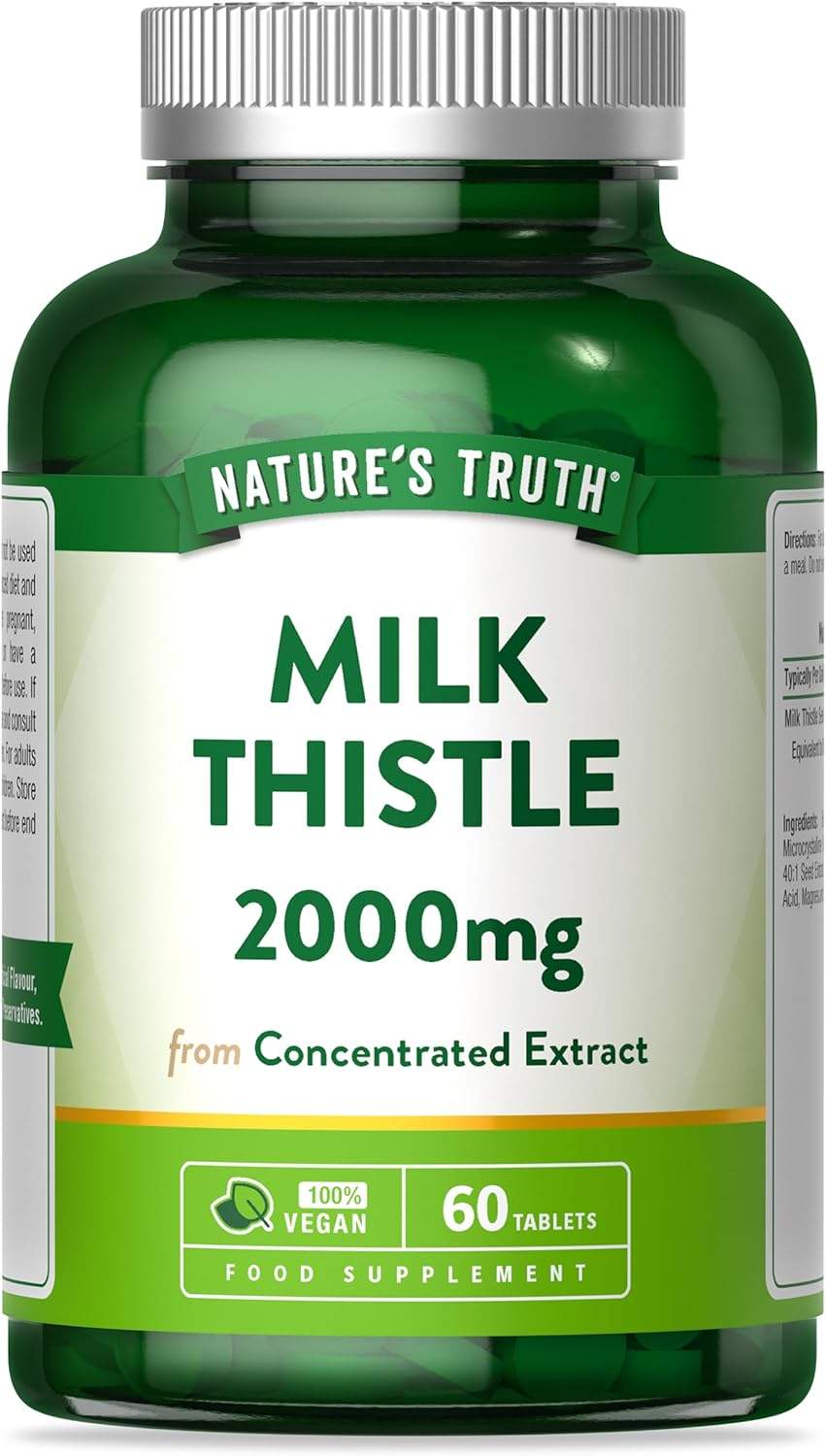
⭐ 1. Milk Thistle (Silybum marianum)
⭐ Overview
Milk thistle is perhaps the most well-known herb for liver health. The active compound, silymarin, has powerful antioxidant and hepatoprotective properties.
⭐ Benefits for Liver Health
- Protects liver cells from toxins such as alcohol and heavy metals.
- Promotes regeneration of damaged hepatocytes.
- Reduces oxidative stress and inflammation in the liver.
⭐ Scientific Evidence
A meta-analysis published in Phytotherapy Research (2019) found that milk thistle supplementation significantly improved liver enzyme levels in patients with non-alcoholic fatty liver disease (NAFLD).
Another clinical trial in World Journal of Hepatology (2017) reported that silymarin improved liver function and quality of life in patients with alcoholic liver disease.
⭐ Usage
- Dosage: 200–400 mg standardized extract (70–80% silymarin).
- Available as capsules, tinctures, and teas.
⭐ 2. Dandelion Root (Taraxacum officinale)
⭐ Overview
Traditionally used in Chinese medicine and Ayurveda, dandelion root is a natural diuretic and detoxifier that supports the liver and kidneys.
⭐ Benefits for Liver Health
- Stimulates bile production, aiding digestion and detoxification.
- Rich in antioxidants that reduce free radical damage.
- May help reduce fat accumulation in the liver.
⭐ Scientific Evidence
A study published in Food and Chemical Toxicology (2010) showed that dandelion extract had protective effects against alcohol-induced liver damage in mice.
Another study in Journal of Medicinal Food (2017) found that dandelion root reduced liver fat accumulation and inflammation in obese mice.
⭐ Usage
- Dosage: 500–2,000 mg dried root daily.
- Commonly used as tea, capsules, or tinctures.
⭐ 3. Turmeric (Curcuma longa)
⭐ Overview
Turmeric, widely used in Asian cuisine and Ayurvedic medicine, contains the bioactive compound curcumin, known for its anti-inflammatory and antioxidant properties.
⭐ Benefits for Liver Health
- Reduces inflammation in liver tissue.
- Enhances detoxification enzymes.
- Helps manage liver fibrosis and fatty liver disease.
⭐ Scientific Evidence
A randomized clinical trial published in Phytotherapy Research (2016) found that turmeric supplementation significantly reduced liver enzymes (ALT and AST) in patients with NAFLD.
Curcumin has also been shown in Nutrients (2017) to improve lipid metabolism and oxidative balance in the liver.
⭐ Usage
- Dosage: 500–1,000 mg curcumin extract daily (with black pepper for better absorption).
- Available as capsules, teas, or culinary spice.
⭐ 4. Licorice Root (Glycyrrhiza glabra)
⭐ Overview
Licorice root has been used in Traditional Chinese Medicine for liver disorders for centuries. Its main compound, glycyrrhizin, exhibits antiviral, antioxidant, and anti-inflammatory effects.
⭐ Benefits for Liver Health
- Protects against liver inflammation.
- May help treat viral hepatitis.
- Reduces oxidative damage and supports liver repair.
⭐ Scientific Evidence
A study in Phytotherapy Research (2012) demonstrated that licorice extract reduced liver enzymes and oxidative stress in patients with chronic hepatitis C.
Another review in Journal of Ethnopharmacology (2017) highlighted glycyrrhizin’s role in improving liver function and reducing fibrosis.
⭐ Usage
- Dosage: 300–500 mg standardized extract daily.
- Consumed as tea, capsules, or tinctures.
⚠️ Caution: Excessive use may increase blood pressure and potassium loss.
⭐ 5. Schisandra (Schisandra chinensis)
⭐ Overview
Schisandra is a berry widely used in Chinese and Russian medicine as a liver tonic and adaptogen.
⭐ Benefits for Liver Health
- Enhances liver detoxification enzymes.
- Protects liver cells from drug- and toxin-induced damage.
- Improves energy, stamina, and resilience to stress.
⭐ Scientific Evidence
A study published in World Journal of Gastroenterology (2014) showed that schisandra extract improved liver enzyme profiles in patients with fatty liver disease.
Another review in Frontiers in Pharmacology (2018) confirmed schisandra’s hepatoprotective effects against chemical-induced liver injury.
⭐ Usage
- Dosage: 500–1,500 mg dried fruit extract daily.
- Available as powders, teas, and capsules.
⭐ 6. Artichoke Leaf (Cynara scolymus)
⭐ Overview
Artichoke leaf extract is a traditional Mediterranean remedy for liver and digestive health. It contains cynarin and chlorogenic acid, which stimulate bile flow.
⭐ Benefits for Liver Health
- Promotes detoxification via bile production.
- Reduces cholesterol and triglyceride levels.
- Supports regeneration of liver tissue.
⭐ Scientific Evidence
A clinical trial published in Phytomedicine (2015) found that artichoke leaf extract improved liver enzyme levels and lipid metabolism in patients with NAFLD.
Another study in Nutrition Research Reviews (2017) highlighted artichoke’s ability to lower cholesterol and improve liver function.
⭐ Usage
- Dosage: 300–600 mg standardized extract daily.
- Available in capsules, teas, or tinctures.
⭐ 7. Burdock Root (Arctium lappa)
⭐ Overview
Burdock root is a traditional detoxifying herb used in Chinese and European medicine. It is rich in lignans, inulin, and antioxidants that benefit liver function.
⭐ Benefits for Liver Health
- Enhances detoxification pathways.
- Reduces oxidative stress in liver tissue.
- Supports bile flow and digestion.
⭐ Scientific Evidence
A study in Journal of Food and Drug Analysis (2017) showed that burdock root extract reduced liver damage and inflammation in animal models.
Another study in BMC Complementary and Alternative Medicine (2014) demonstrated its protective effects against alcohol-induced liver toxicity.
⭐ Usage
- Dosage: 2–6 g dried root daily.
- Available as teas, decoctions, or capsules.
⭐ 8. Green Tea (Camellia sinensis)
⭐ Overview
Green tea is rich in catechins, especially EGCG (epigallocatechin gallate), which have strong antioxidant and liver-protective effects.
⭐ Benefits for Liver Health
- Reduces fat accumulation in the liver.
- Improves liver enzyme profiles.
- Protects against oxidative stress and inflammation.
⭐ Scientific Evidence
A study in Journal of Nutrition (2013) found that green tea extract improved liver fat content and enzyme levels in patients with NAFLD.
Another review in Liver International (2015) confirmed that green tea catechins help reduce liver fat, oxidative stress, and inflammation.
⭐ Usage
- Dosage: 2–3 cups of green tea daily or 400–800 mg extract.
- Available as tea, capsules, and powders.
⭐ Lifestyle Tips for Supporting Liver Detox
While herbs are powerful, their effects are enhanced when combined with healthy lifestyle practices:
- Limit alcohol and processed foods to reduce liver strain.
- Eat a balanced diet rich in fruits, vegetables, and lean proteins.
- Stay hydrated to help the liver flush out toxins.
- Exercise regularly to improve metabolism and liver function.
- Maintain a healthy weight, as obesity is strongly linked to fatty liver disease.
⚠️ Safety Considerations
- Always consult a healthcare provider before starting herbal supplements, especially if you have liver disease, take prescription medications, or are pregnant/breastfeeding.
- Overuse of certain herbs (e.g., licorice) may cause side effects.
- Choose high-quality standardized extracts to ensure safety and efficacy.
✅ Conclusion
The liver is essential for detoxification, metabolism, and overall health. By incorporating liver-supportive herbs such as milk thistle, dandelion root, turmeric, licorice root, schisandra, artichoke leaf, burdock root, and green tea, you can enhance natural detoxification processes, repair liver damage, and improve long-term health.
When combined with lifestyle changes, these herbs provide a powerful natural toolkit for supporting liver health and preventing disease.
[8 best natural herbs for detoxing and repairing the liver ]
⭐ Scientific References
- Loguercio C, et al. (2019). Silymarin in non-alcoholic fatty liver disease. Phytother Res.
- Salmi HA, et al. (2017). Silymarin for alcoholic liver disease. World J Hepatol.
- You Y, et al. (2010). Protective effect of dandelion extract against alcohol-induced liver damage. Food Chem Toxicol.
- Lee B, et al. (2017). Dandelion root and liver fat accumulation. J Med Food.
- Rahmani S, et al. (2016). Curcumin supplementation in NAFLD. Phytother Res.
- Panahi Y, et al. (2017). Curcumin and lipid metabolism. Nutrients.
- Fiore C, et al. (2012). Glycyrrhizin in chronic hepatitis. Phytother Res.
- Wang Z, et al. (2017). Licorice and liver fibrosis. J Ethnopharmacol.
- Panossian A, et al. (2014). Schisandra and liver health. World J Gastroenterol.
- Sun J, et al. (2018). Schisandra hepatoprotective effects. Front Pharmacol.
- Rondanelli M, et al. (2015). Artichoke leaf extract in NAFLD. Phytomedicine.
- Lupattelli G, et al. (2017). Artichoke and cholesterol reduction. Nutr Res Rev.
- Lin SC, et al. (2017). Burdock root and liver inflammation. J Food Drug Anal.
- Chan YS, et al. (2014). Burdock and alcohol-induced liver toxicity. BMC Complement Altern Med.
- Sakata R, et al. (2013). Green tea extract and NAFLD. J Nutr.
- Huang J, et al. (2015). Green tea catechins and liver health. Liver Int.