
???? 5 Top Natural Herbs for Anxiety and Stress Treatment: The Absolute Guide
✅ Introduction
5 top natural herbs for anxiety and stress treatment: Anxiety and stress are among the most common mental health challenges worldwide, affecting millions of people on a daily basis. While conventional treatments such as therapy and medication are highly effective, a growing number of individuals are turning toward natural remedies and herbal medicine to manage their symptoms.
For centuries, herbs have been used to calm the nervous system, improve mood, and reduce stress-related symptoms. Modern scientific research continues to validate many of these traditional remedies, showing that certain herbs may influence neurotransmitters such as GABA, serotonin, and dopamine, which play a key role in anxiety regulation.
In this article, we will explore the 5 top natural herbs for anxiety and stress treatment, backed by scientific evidence. We will discuss their benefits, mechanisms of action, dosage considerations, and safety profile, while also providing references to peer-reviewed studies.
✅ CLICK HERE TO SEE A UNIQUE COLLECTION OF HERBS FOR ANXIETY TREATMENT FROM AMAZON !
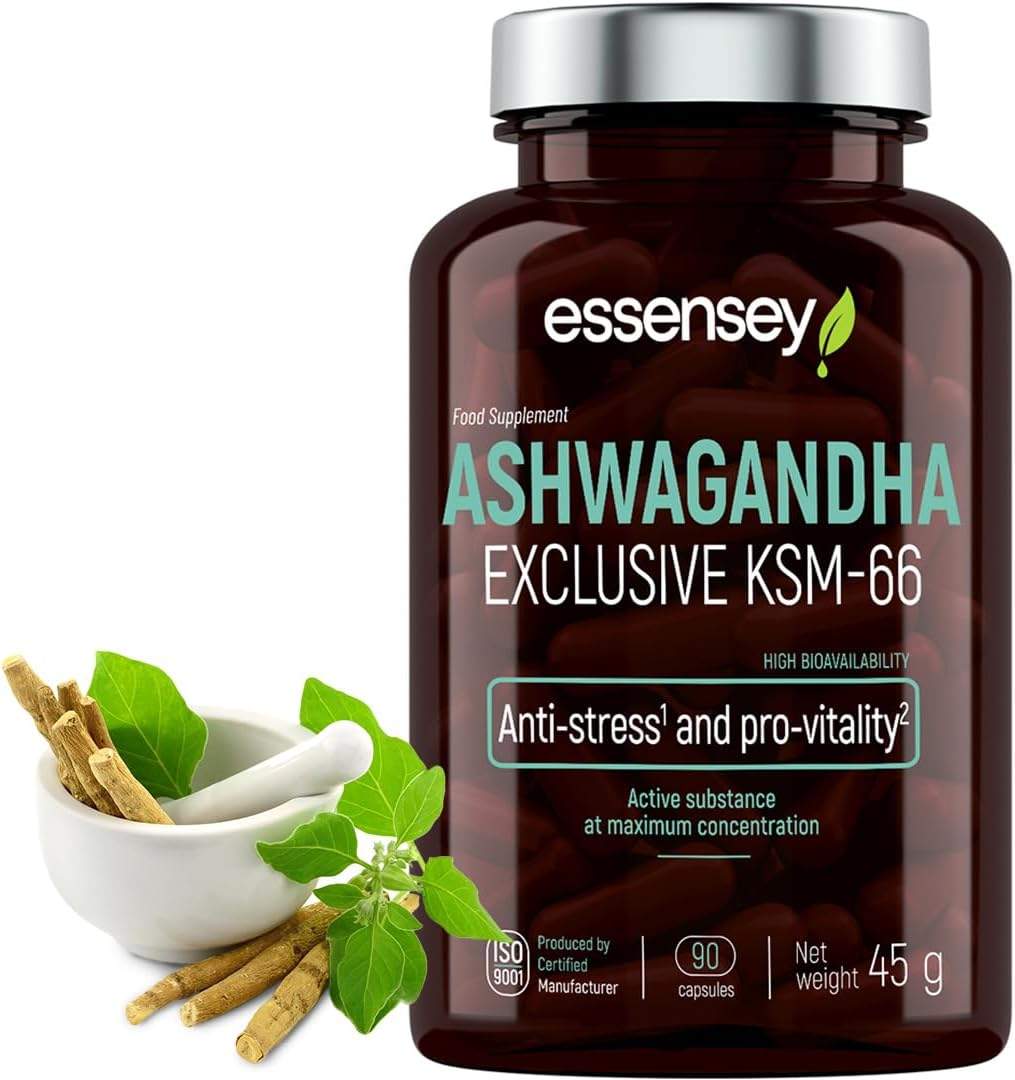
???? 1. Ashwagandha (Withania somnifera)
???? Overview
Ashwagandha, also known as Indian ginseng or winter cherry, is one of the most powerful adaptogenic herbs in Ayurvedic medicine. Adaptogens are natural substances that help the body adapt to stress and restore balance.
???? How It Works
- Reduces levels of cortisol, the primary stress hormone.
- Enhances resilience to both physical and emotional stressors.
- May improve sleep quality, which indirectly reduces anxiety.
???? Scientific Evidence
A randomized, double-blind clinical trial published in Indian Journal of Psychological Medicine (2012) showed that adults who took standardized ashwagandha extract experienced a 44% reduction in stress and anxiety symptoms compared to the placebo group.
Another study in Cureus (2021) reported that ashwagandha supplementation improved sleep quality, energy levels, and overall mental well-being in stressed individuals.
???? How to Use
- Dosage: 300–600 mg of standardized extract daily.
- Available in capsules, powders, and teas.
???? 2. Passionflower (Passiflora incarnata)
???? Overview
Passionflower has long been used in Native American and European folk medicine as a natural sedative. Its calming properties make it one of the most popular herbal remedies for anxiety, stress, and insomnia.
???? How It Works
- Increases GABA activity in the brain, promoting relaxation.
- Reduces symptoms of generalized anxiety disorder (GAD).
- Enhances sleep onset and quality without strong sedative effects.
???? Scientific Evidence
A clinical trial published in the Journal of Clinical Pharmacy and Therapeutics (2001) found that passionflower extract was as effective as oxazepam, a prescription anti-anxiety medication, in treating generalized anxiety disorder—without causing significant drowsiness.
A review in Phytotherapy Research (2017) confirmed passionflower’s anxiolytic and sleep-enhancing effects, suggesting its potential as a safe natural alternative.
???? How to Use
- Dosage: 250–500 mg of standardized extract daily.
- Can be consumed as tea, tincture, or capsule.
???? 3. Chamomile (Matricaria recutita)
???? Overview
Chamomile is one of the most widely consumed herbal teas worldwide. Traditionally used for relaxation, it is rich in apigenin, a flavonoid that binds to benzodiazepine receptors in the brain, producing a mild sedative effect.
???? How It Works
- Reduces mild to moderate anxiety symptoms.
- Promotes relaxation and better sleep.
- Acts as an anti-inflammatory and antioxidant, indirectly supporting mental well-being.
???? Scientific Evidence
A study published in Phytomedicine (2009) showed that chamomile extract significantly reduced symptoms of generalized anxiety disorder compared to placebo.
In another clinical trial published in Journal of Clinical Psychopharmacology (2016), long-term chamomile use reduced the recurrence of anxiety symptoms in patients with GAD.
???? How to Use
- Dosage: 220–1,100 mg of extract daily, or 1–2 cups of chamomile tea.
- Widely available in teas, capsules, and tinctures.
???? 4. Lavender (Lavandula angustifolia)
???? Overview
Lavender is best known for its aromatic essential oil, widely used in aromatherapy to reduce anxiety and promote calmness. Both oral supplements and inhaled lavender oil have shown benefits for stress and anxiety.
???? How It Works
- Influences serotonin and GABA activity in the nervous system.
- Reduces restlessness, nervous tension, and irritability.
- Improves sleep quality and mood balance.
???? Scientific Evidence
A clinical trial published in Phytomedicine (2010) found that an oral lavender oil capsule (Silexan®) was as effective as lorazepam, a common anti-anxiety medication, in reducing generalized anxiety disorder symptoms.
Another study in International Journal of Neuropsychopharmacology (2012) showed that lavender oil supplementation significantly reduced anxiety and sleep disturbances.
???? How to Use
- Dosage: 80 mg of lavender oil capsule daily.
- Inhalation via aromatherapy diffuser or diluted topical oil.
???? 5. Valerian Root (Valeriana officinalis)
???? Overview
Valerian root has been traditionally used in Europe for centuries as a natural remedy for insomnia and nervous tension. It is sometimes referred to as “nature’s Valium.”
???? How It Works
- Increases GABA activity, promoting calmness.
- Reduces sleep onset latency (time needed to fall asleep).
- Improves overall sleep quality, which lowers stress.
???? Scientific Evidence
A meta-analysis published in American Journal of Medicine (2006) concluded that valerian root may improve sleep quality without causing dependence.
Another study in Phytotherapy Research (2010) found that valerian root supplementation reduced anxiety levels in patients undergoing stressful situations, such as dental procedures.
???? How to Use
- Dosage: 400–900 mg of valerian root extract before bedtime.
- Available as capsules, teas, and tinctures.
???? Lifestyle Factors That Enhance Herbal Support
While herbs can be effective, they work best when combined with healthy lifestyle practices:
- Mindfulness meditation and yoga → reduce cortisol and calm the nervous system.
- Regular exercise → improves serotonin and dopamine production.
- Balanced diet → provides essential nutrients for brain function.
- Good sleep hygiene → strengthens resilience against stress.
⚠️ Safety Considerations
- Always consult a healthcare professional before starting herbal supplements, especially if you are on medications for anxiety, depression, or sleep disorders.
- Pregnant and breastfeeding women should avoid certain herbs (e.g., valerian, passionflower) unless approved by a doctor.
- Herbs may cause mild side effects such as drowsiness, digestive upset, or allergic reactions.
✅ Conclusion
Anxiety and stress can significantly impact quality of life, but nature provides powerful allies for relief. The 5 top herbs for anxiety and stress—Ashwagandha, Passionflower, Chamomile, Lavender, and Valerian Root—have been validated by scientific research and traditional use for their calming and balancing effects.
While they are not a substitute for professional medical care, these herbs can be valuable tools in a holistic approach to mental health, especially when combined with lifestyle practices such as mindfulness, exercise, and proper sleep.
[5 top natural herbs for anxiety and stress treatment]
???? Scientific References
- Chandrasekhar K, et al. (2012). A prospective, randomized double-blind, placebo-controlled study of safety and efficacy of a high-concentration full-spectrum extract of Ashwagandha root in reducing stress and anxiety in adults. Indian J Psychol Med.
- Langade D, et al. (2021). Efficacy and Safety of Ashwagandha Root Extract in Insomnia and Anxiety. Cureus.
- Akhondzadeh S, et al. (2001). Passionflower in the treatment of generalized anxiety: A pilot double-blind randomized controlled trial. J Clin Pharm Ther.
- Miroddi M, et al. (2017). Systematic review of passionflower for anxiety and sleep. Phytother Res.
- Amsterdam JD, et al. (2009). Chamomile (Matricaria recutita) extract therapy of generalized anxiety disorder. Phytomedicine.
- Keefe JR, et al. (2016). Long-term chamomile therapy for generalized anxiety disorder. J Clin Psychopharmacol.
- Kasper S, et al. (2010). Silexan, an orally administered lavender oil preparation, is effective in generalized anxiety disorder. Phytomedicine.
- Woelk H, et al. (2012). Lavender oil preparation Silexan is effective in generalized anxiety disorder. Int J Neuropsychopharmacol.
- Bent S, et al. (2006). Valerian for sleep: A systematic review and meta-analysis. Am J Med.
- Andreatini R, et al. (2010). Valerian root extract and anxiety: Clinical efficacy. Phytother Res.