
???? 5 Top Natural Herbs That Reduce Neuroinflammation: The Absolute Guide
???? Introduction
5 top natural herbs that reduce neuroinflammation: Neuroinflammation is an immune response within the central nervous system (CNS) that plays a crucial role in neurodegenerative diseases such as Alzheimer’s, Parkinson’s, multiple sclerosis, and chronic cognitive decline. While inflammation is a natural protective mechanism, chronic neuroinflammation can damage neurons, disrupt brain function, and accelerate cognitive decline.
Modern medicine provides pharmaceutical anti-inflammatory drugs, but many come with side effects or limited efficacy. Natural herbs have gained attention for their neuroprotective, antioxidant, and anti-inflammatory properties, offering complementary strategies to reduce neuroinflammation and support brain health.
In this article, we will explore the 5 top natural herbs that reduce neuroinflammation, highlighting their mechanisms of action, scientific evidence, and practical ways to use them. ????✨
???? 1. Turmeric (Curcuma longa)
Turmeric is renowned for its active compound curcumin, a potent anti-inflammatory and antioxidant agent.
???? Benefits for Neuroinflammation:
- Reduces pro-inflammatory cytokines in the CNS.
- Protects neurons from oxidative stress.
- May improve cognitive function and memory.
???? A study by Aggarwal & Harikumar (2009) highlighted curcumin’s ability to inhibit NF-κB signaling, a key pathway in neuroinflammation, making it effective in models of Alzheimer’s disease.
???? Usage:
Turmeric can be consumed as a powder, capsule, or tea, often combined with black pepper (piperine) to enhance absorption.
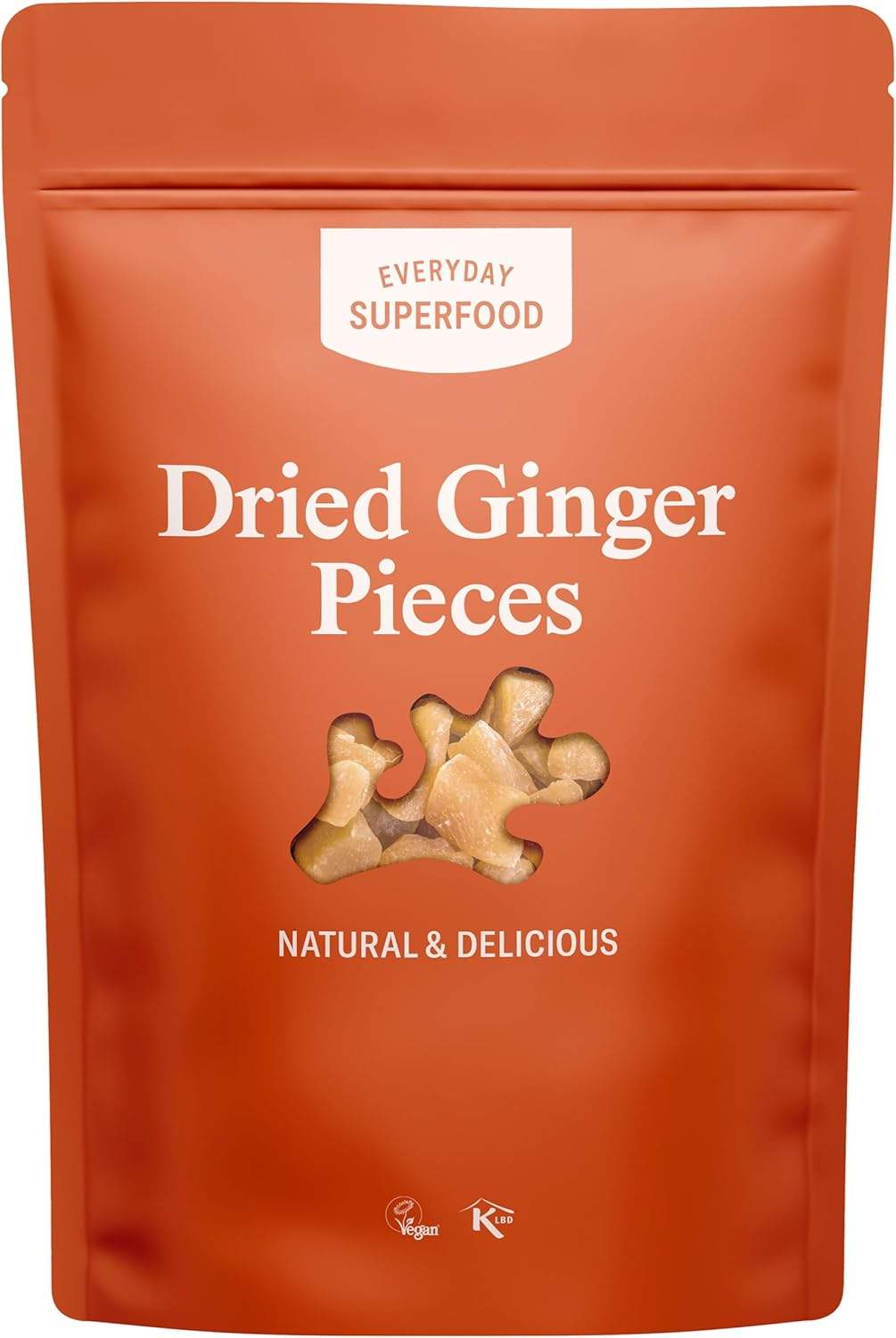
???? 2. Ginger (Zingiber officinale)
Ginger contains gingerol, shogaol, and paradol, compounds with strong anti-inflammatory and neuroprotective effects.
???? Benefits for Neuroinflammation:
- Suppresses pro-inflammatory mediators like TNF-α and IL-1β.
- Reduces oxidative damage in neuronal cells.
- Enhances cognitive performance in aging populations.
???? A study by Samadi et al. (2017) showed that ginger extract reduced neuroinflammatory markers and oxidative stress in animal models, suggesting a protective role against neurodegenerative conditions.
???? Usage:
Ginger can be taken as tea, fresh root, capsules, or tinctures. It’s especially effective when consumed regularly as part of a balanced diet.
???? 3. Ginkgo Biloba
Ginkgo biloba is one of the most researched herbs for cognitive support and neuroprotection, containing flavonoids and terpenoids.
???? Benefits for Neuroinflammation:
- Reduces microglial activation, a key player in neuroinflammation.
- Enhances cerebral blood flow and oxygen delivery.
- Protects against amyloid-beta-induced inflammation, relevant in Alzheimer’s disease.
???? According to a review by Smith & Luo (2004), ginkgo extract decreased inflammatory markers in brain tissue and improved memory in both animal and human studies.
???? Usage:
Ginkgo is typically used as standardized extract capsules, dosed according to clinical guidelines.
???? 4. Ashwagandha (Withania somnifera)
Ashwagandha is an adaptogenic herb widely used in Ayurvedic medicine for stress reduction and neuroprotection.
???? Benefits for Neuroinflammation:
- Inhibits pro-inflammatory cytokines and oxidative stress in neurons.
- Reduces neurodegeneration and supports synaptic plasticity.
- May improve memory, learning, and overall cognitive function.
???? A study by Kulkarni et al. (2008) demonstrated that ashwagandha root extract decreased neuroinflammation in animal models and enhanced cognitive performance.
???? Usage:
Ashwagandha can be consumed as root powder, capsules, or liquid extract, usually standardized for withanolide content.
???? 5. Green Tea (Camellia sinensis)
Green tea contains epigallocatechin-3-gallate (EGCG), a powerful antioxidant and anti-inflammatory compound.
???? Benefits for Neuroinflammation:
- Reduces microglial activation and pro-inflammatory cytokines.
- Protects neurons from oxidative stress and apoptosis.
- Supports cognitive function and memory.
???? Research by Mandel et al. (2008) showed that EGCG inhibited neuroinflammatory pathways and offered protective effects in neurodegenerative models.
???? Usage:
Green tea can be consumed as hot tea, cold brew, or EGCG capsules. Regular daily consumption provides the most consistent neuroprotective benefits.
???? Practical Tips for Using Neuroprotective Herbs
- Combine herbs for synergistic effects (e.g., turmeric with ginger).
- Use standardized extracts to ensure consistent dosing.
- Include antioxidant-rich foods alongside herbs to enhance neuroprotection.
- Consult a healthcare professional before combining herbs with medications.
- Maintain healthy lifestyle habits—sleep, exercise, and stress management enhance herb efficacy.
???? Summary
Neuroinflammation is a key factor in cognitive decline and neurodegenerative diseases. Natural herbs like turmeric, ginger, ginkgo biloba, ashwagandha, and green tea provide scientifically supported anti-inflammatory, antioxidant, and neuroprotective effects.
Incorporating these herbs into your daily routine, alongside medical supervision, may reduce neuroinflammation, support brain health, and improve cognitive performance. ????✨
[5 top natural herbs that reduce neuroinflammation]
???? References
- Aggarwal BB, Harikumar KB. Potential therapeutic effects of curcumin, the anti-inflammatory agent, against neurodegenerative diseases. Int J Biochem Cell Biol. 2009.
- Samadi N, et al. Neuroprotective and anti-inflammatory effects of ginger extract in experimental models. Phytother Res. 2017.
- Smith JV, Luo Y. Studies on Ginkgo biloba extract in neurodegenerative diseases. J Ethnopharmacol. 2004.
- Kulkarni SK, Dhir A. Withania somnifera: A review of neuroprotective potential. Phytother Res. 2008.
- Mandel SA, et al. Neuroprotective effects of green tea polyphenols. J Neurochem. 2008.
[5 top natural herbs that reduce neuroinflammation]