
???? 5 Top Natural Herbs for Menopause Symptoms: The Absolute Guide
???? Introduction
5 top natural herbs for menopause symptoms: Menopause is a natural biological process in women, typically occurring between the ages of 45 and 55. It is characterized by hormonal changes, primarily the decline of estrogen and progesterone, leading to symptoms such as hot flashes, night sweats, mood swings, insomnia, and vaginal dryness.
While hormone replacement therapy (HRT) is commonly used, it may carry risks such as cardiovascular issues and cancer. As a result, natural herbs have gained popularity for alleviating menopause symptoms safely. Many herbs offer phytoestrogens, antioxidants, and adaptogenic properties, helping the body cope with hormonal shifts.
This article explores the 5 top natural herbs for menopause symptoms, backed by scientific research and practical usage tips. ????✨
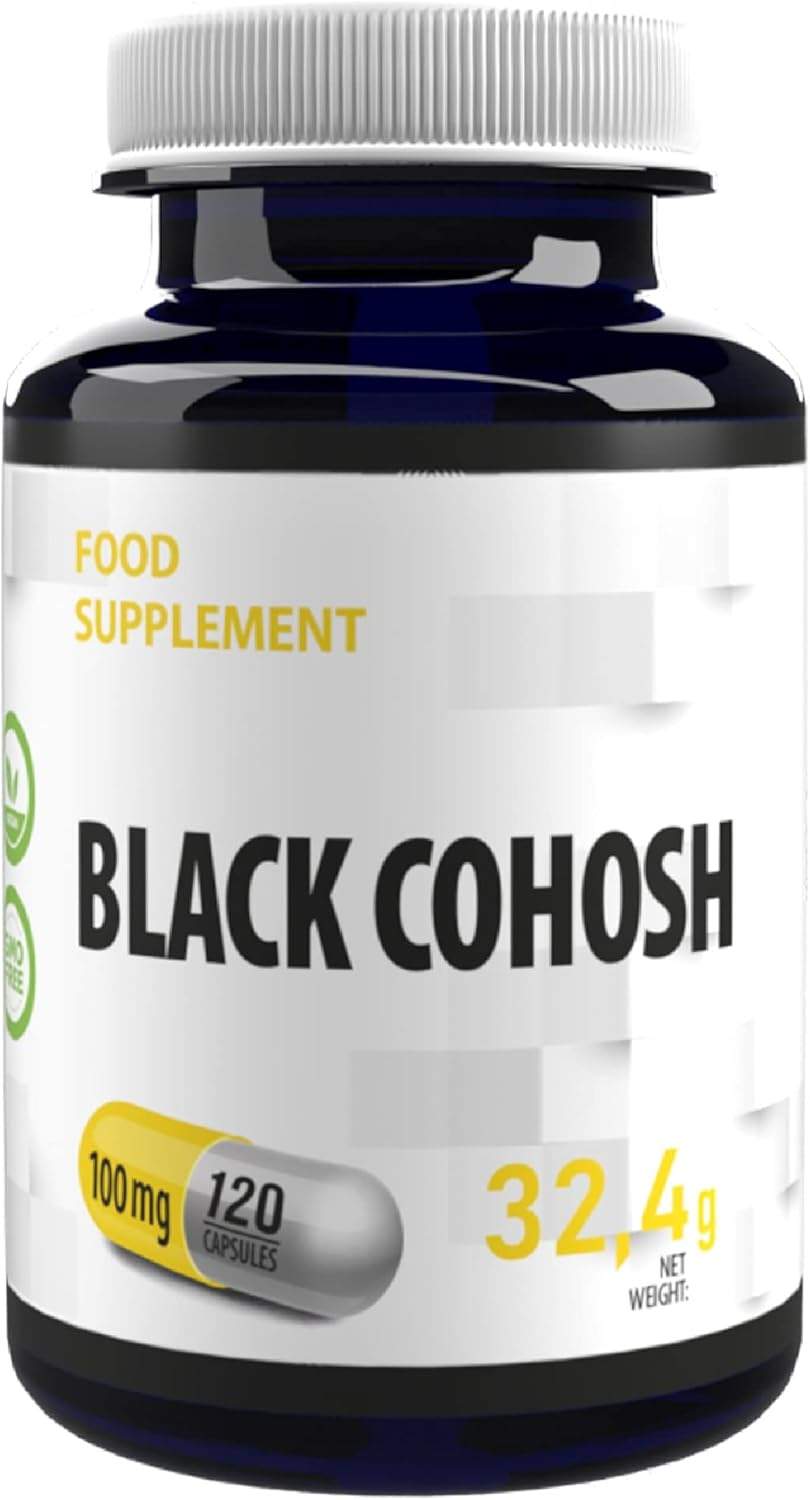
????CLICK HERE TO SEE THE UNIQUE COLLECTION OF BLACK COHOSH !
???? 1. Black Cohosh (Actaea racemosa)
Black cohosh is one of the most studied herbs for menopause, particularly effective in reducing hot flashes and night sweats.
???? Benefits for Menopause:
- Contains triterpene glycosides, which may mimic estrogen effects.
- Reduces vasomotor symptoms, including hot flashes.
- Supports mood stabilization and sleep quality.
???? According to a study by Leach & Moore (2012), black cohosh significantly reduced hot flashes and night sweats in menopausal women, with minimal side effects.
???? Usage:
Available as capsules, tablets, or tinctures, typically standardized for triterpene glycoside content. Dosage ranges from 20–40 mg daily.
???? 2. Red Clover (Trifolium pratense)
Red clover is rich in isoflavones, plant-based compounds that act as phytoestrogens, helping balance estrogen levels naturally.
???? Benefits for Menopause:
- Reduces hot flashes and night sweats.
- Improves bone density and cardiovascular health.
- Supports overall hormonal balance.
???? A meta-analysis by Taku et al. (2010) found red clover supplementation reduced the frequency and severity of hot flashes in menopausal women.
???? Usage:
Red clover can be taken as capsules, teas, or extracts standardized to 40–80 mg of isoflavones per day.
???? 3. Dong Quai (Angelica sinensis)
Dong Quai, also known as “female ginseng,” has been used in Traditional Chinese Medicine for centuries to support women’s reproductive health.
???? Benefits for Menopause:
- Contains phytoestrogens that help modulate hormone levels.
- May relieve vaginal dryness and mood swings.
- Supports healthy blood circulation, reducing fatigue.
???? According to a review by Chen et al. (2011), Dong Quai exhibits mild estrogenic effects, helping reduce menopause-related discomforts.
???? Usage:
Typically available as dried root, capsules, or tinctures. Daily dosage is often 500–1000 mg, but it should be combined with medical supervision due to potential blood-thinning effects.
???? 4. Sage (Salvia officinalis)
Sage is a common culinary herb with estrogen-like activity, useful for controlling hot flashes and excessive sweating.
???? Benefits for Menopause:
- Reduces frequency and severity of hot flashes.
- Improves mood and cognitive function.
- Acts as an antioxidant, supporting overall health.
???? A study by Wuttke et al. (2003) demonstrated that sage extract significantly alleviated hot flashes and improved sleep quality in menopausal women.
???? Usage:
Sage can be used as tea, capsules, or essential oil. For hot flashes, 300 mg of standardized extract daily is typical.
???? 5. Ashwagandha (Withania somnifera)
Ashwagandha is an adaptogenic herb that helps the body cope with stress and hormonal changes, particularly beneficial for menopausal women.
???? Benefits for Menopause:
- Reduces stress, anxiety, and mood swings.
- Improves sleep quality and fatigue.
- Supports hormonal balance and cognitive function.
???? A study by Choudhary et al. (2017) found that ashwagandha supplementation improved stress resilience and reduced cortisol levels, supporting menopausal women with mood and sleep issues.
???? Usage:
Ashwagandha is available as root powder, capsules, or liquid extract, typically standardized to 5% withanolides. A daily dose of 300–600 mg is common.
???? Practical Tips for Using Herbs in Menopause
- Combine herbs for synergistic effects (e.g., black cohosh with red clover).
- Use standardized extracts to ensure consistent potency.
- Incorporate a balanced diet rich in phytoestrogens like flaxseed and soy.
- Maintain a healthy lifestyle: exercise, stress management, and adequate sleep enhance herbal efficacy.
- Consult a healthcare professional before starting any herbal regimen, especially if on medications.
???? Summary
Menopause can be challenging, with symptoms affecting comfort, mood, and quality of life. Natural herbs such as black cohosh, red clover, Dong Quai, sage, and ashwagandha provide scientifically supported relief for hot flashes, mood swings, sleep disturbances, and overall hormonal balance.
By incorporating these herbs into a holistic lifestyle, women can manage menopause symptoms naturally and safely. ????✨
[5 top natural herbs for menopause symptoms]
???? References
- Leach MJ, Moore V. Black cohosh (Cimicifuga racemosa) for menopausal symptoms. Cochrane Database Syst Rev. 2012.
- Taku K, et al. Effects of red clover isoflavones on menopausal symptoms. Menopause. 2010.
- Chen M, et al. Traditional use of Dong Quai in menopausal women. J Ethnopharmacol. 2011.
- Wuttke W, et al. Sage for hot flashes in menopausal women. Phytomedicine. 2003.
- Choudhary D, et al. Effects of ashwagandha on stress and hormone balance. J Evid Based Complementary Altern Med. 2017.
[5 top natural herbs for menopause symptoms]