
⭐ Top 6 Herbs for Natural Back Pain Relief: The Absolute Guide
⭐ Introduction: Why Natural Relief for Back Pain Matters
Back pain is one of the most common health problems in the world, affecting nearly 80 % of adults at some point in their lives. It can appear suddenly (acute back pain) after lifting a heavy object or persist for weeks or months (chronic back pain) due to poor posture, muscle strain, or degenerative conditions like arthritis.
While painkillers and anti-inflammatory drugs (NSAIDs) are often prescribed, long-term use can lead to side effects such as stomach irritation, liver strain, or kidney issues. As a result, many people are now turning toward natural remedies—especially medicinal herbs—to manage inflammation, relax muscles, and reduce pain naturally.
This comprehensive guide explores six scientifically supported herbs that help alleviate both acute and chronic back pain, how they work, and how to use them safely.
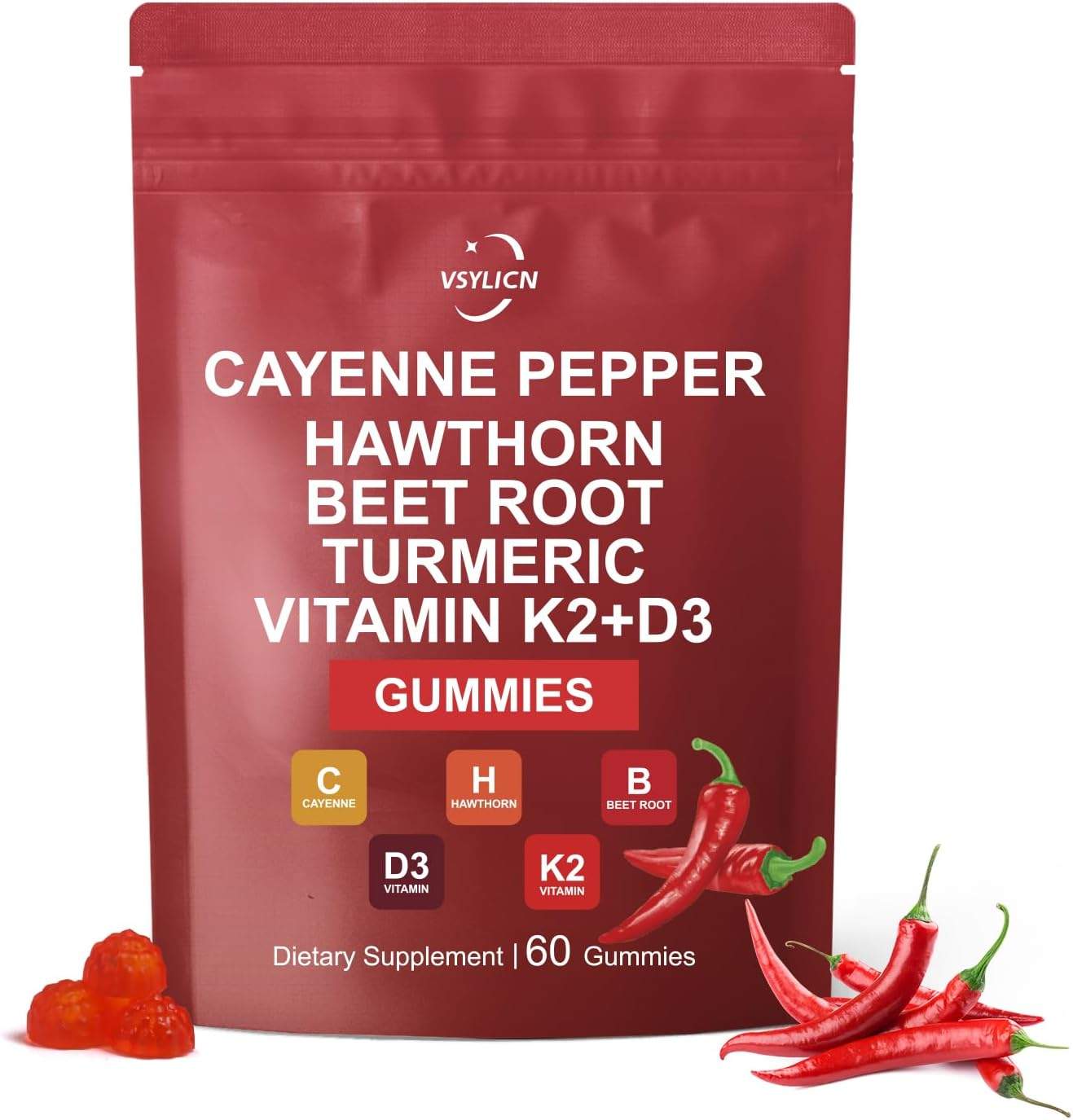
⭐CLICK HERE TO SEE TURMERIC AND OTHER HERBS ON AMAZON !
⭐ 1. Turmeric (Curcuma longa)
⭐ Why it Helps
Turmeric is renowned for its bright golden color and powerful anti-inflammatory compound curcumin. Chronic inflammation is a key factor in many back pain cases, especially those linked to arthritis or muscle inflammation.
Curcumin suppresses inflammatory enzymes like COX-2 and cytokines (IL-1β, TNF-α), reducing pain at its root. Clinical trials have shown curcumin to be comparable to ibuprofen in reducing osteoarthritis pain—without the side effects associated with NSAIDs.
⭐ How to Use
- Dosage: 500 – 1000 mg standardized curcumin extract twice daily.
- Tip: Combine turmeric with black pepper (piperine) to boost absorption by up to 2000 %.
- Form: Capsules, golden milk, or mixed into smoothies.
⭐ Safety Notes
Turmeric is generally safe but may cause mild stomach upset in high doses. Avoid excessive use if taking anticoagulants or before surgery.
⭐ 2. Devil’s Claw (Harpagophytum procumbens)
⭐ Why it Helps
Originating from the Kalahari Desert, Devil’s Claw is one of the most studied herbs for back pain and arthritis. Its key compound, harpagoside, has potent analgesic and anti-inflammatory effects.
Clinical trials have demonstrated that Devil’s Claw extracts can significantly reduce lower back pain and improve mobility in patients with chronic musculoskeletal disorders. A 2016 meta-analysis confirmed its effectiveness and safety for long-term use compared with standard medications.
⭐ How to Use
- Dosage: 600–1200 mg dried extract (standardized to 2.5 % harpagoside) daily.
- Form: Capsules or tea from the root powder.
⭐ Safety Notes
Avoid during pregnancy or if you have ulcers or gallstones. May interact with diabetes or blood-pressure medications.
⭐ 3. Willow Bark (Salix alba)
⭐ Why it Helps
Before aspirin existed, people used white willow bark for pain and fever relief. Its active ingredient, salicin, converts to salicylic acid in the body—similar in structure and effect to aspirin, but generally milder on the stomach.
Studies show that willow bark can relieve low-back pain, osteoarthritis, and muscle soreness. In clinical trials, a daily dose containing 240 mg salicin provided measurable pain reduction within 1 week.
⭐ How to Use
- Dosage: 120–240 mg salicin per day (standardized extract).
- Form: Capsules, tincture, or tea (though tea has lower salicin levels).
⭐ Safety Notes
Avoid if allergic to aspirin or taking anticoagulants. Not recommended for children or during pregnancy.
⭐ 4. Ginger (Zingiber officinale)
⭐ Why it Helps
Ginger has been used in traditional medicine for centuries as a natural pain reliever. Like turmeric, it reduces inflammation by inhibiting prostaglandin and leukotriene synthesis.
A 2020 study found that ginger supplements significantly decreased pain intensity and muscle soreness after exercise. For back pain caused by muscle strain or tension, ginger can help reduce stiffness and improve blood flow.
⭐ How to Use
- Dosage: 1–2 g dried ginger or 500–1000 mg extract per day.
- Form: Ginger tea, capsules, or fresh root added to meals.
- Tip: Combine with turmeric for a synergistic anti-inflammatory effect.
⭐ Safety Notes
Mild heartburn or stomach upset may occur. Avoid high doses during pregnancy unless approved by a doctor.
⭐ 5. Boswellia (Boswellia serrata – Indian Frankincense)
⭐ Why it Helps
Boswellia is a resin extract from the Boswellia tree, long used in Ayurvedic medicine. Its active compounds, boswellic acids, inhibit the 5-LOX enzyme that produces inflammatory leukotrienes.
Research shows that Boswellia helps relieve chronic inflammatory pain, including back pain caused by osteoarthritis and spondylosis. In one 2018 trial, patients taking Boswellia experienced a 32 % reduction in pain scores after 8 weeks compared to placebo.
⭐ How to Use
- Dosage: 300–500 mg extract (standardized to 65 % boswellic acids) two or three times daily.
- Form: Capsules or tablets.
⭐ Safety Notes
Generally safe. Mild digestive issues possible. Check for quality products free of fillers or contaminants.
⭐ 6. Cayenne Pepper (Capsicum frutescens)
⭐ Why it Helps
Cayenne pepper contains capsaicin, the compound responsible for its heat and pain-relieving properties. Capsaicin works by depleting substance P, a neurotransmitter that transmits pain signals to the brain.
Topical capsaicin creams or patches are proven to relieve lower back pain, neuropathic pain, and even joint discomfort. A systematic review published in BMC Musculoskeletal Disorders (2019) found capsaicin patches to be effective in reducing pain intensity and improving movement.
⭐ How to Use
- Topical: 0.025 – 0.075 % capsaicin cream applied to affected area 2–3× daily.
- Dietary: A pinch of cayenne in food or tea supports circulation and anti-inflammatory pathways.
⭐ Safety Notes
Topical products may cause a warm or burning sensation initially; avoid contact with eyes or broken skin.
⭐ How to Combine Herbs for Maximum Effect
- Target the cause:
- Muscle tension? → Ginger + Cayenne.
- Inflammation or arthritis? → Turmeric + Boswellia + Willow Bark.
- Chronic degenerative pain? → Devil’s Claw + Turmeric.
- Formulate your daily routine:
- Morning: Turmeric + Ginger tea or capsules.
- Afternoon: Boswellia capsule with meals.
- Evening: Topical Cayenne cream and gentle stretching.
- Lifestyle synergy:
- Practice core-strengthening exercises like yoga or Pilates.
- Use heat therapy (warm compress) to relax muscles.
- Maintain healthy posture—ergonomic seating and frequent breaks if you sit long hours.
- Get quality sleep; the body heals during deep rest.
⭐ Evidence-Based Advantages of Herbal Therapy
⭐ 1. Fewer Side Effects
When used appropriately, herbs pose a lower risk of gastrointestinal bleeding or kidney stress compared to chronic NSAID use.
⭐ 2. Holistic Action
Many herbs not only relieve pain but also improve circulation, modulate immunity, and reduce oxidative stress—key factors in tissue repair.
⭐ 3. Synergistic Potential
Combinations such as turmeric + boswellia or ginger + cayenne produce synergistic anti-inflammatory and analgesic effects.
⭐ 4. Accessibility and Affordability
Most herbs are available as teas, powders, or capsules and can be easily incorporated into a balanced lifestyle.
⭐ Precautions and Professional Guidance
- Always consult a healthcare provider before starting herbal supplements, especially if you take prescribed medications (blood thinners, antihypertensives, diabetes meds).
- Standardized extracts ensure consistent potency—avoid unverified online sources.
- Pregnancy and breastfeeding: some herbs (Devil’s Claw, Willow Bark) are not recommended.
- Combination caution: do not combine multiple strong anti-inflammatories (e.g., willow bark + NSAIDs) without medical guidance.
⭐ Quick Reference Table
| Herb | Key Compound | Main Benefit | Suggested Form/Dose |
|---|---|---|---|
| Turmeric | Curcumin | Inflammation relief | 500–1000 mg extract twice daily |
| Devil’s Claw | Harpagoside | Chronic back pain | 600–1200 mg extract daily |
| Willow Bark | Salicin | Pain reduction | 120–240 mg salicin daily |
| Ginger | Gingerols | Muscle relaxant | 1–2 g powder or tea |
| Boswellia | Boswellic acids | Joint support | 300–500 mg 2–3× daily |
| Cayenne | Capsaicin | Pain signal blocker | 0.025–0.075 % topical cream |
⭐ Integrating Herbal Support into Daily Life
- Morning ritual: Start with warm turmeric-ginger tea to activate circulation and reduce stiffness.
- Workday strategy: If sitting long hours, stretch every 30 minutes; apply topical capsaicin in the evening.
- Diet focus: Adopt an anti-inflammatory diet—rich in leafy greens, omega-3 fats, and lean proteins.
- Stress control: Chronic stress increases muscle tension; try meditation or breathing exercises alongside herbal care.
⭐ When to Seek Medical Help
If back pain:
- Persists > 3 months despite natural treatment,
- Is accompanied by numbness, tingling, weakness, or bladder/bowel changes, or
- Follows injury or trauma—
seek prompt medical evaluation to rule out nerve compression or structural issues.
Herbs are best used as adjuncts, not replacements for accurate diagnosis and physical therapy when indicated.
⭐ Conclusion
Natural herbs can play a vital role in soothing back pain, particularly when inflammation, muscle strain, or mild arthritis are involved. Among the best-researched remedies, Turmeric, Devil’s Claw, Willow Bark, Ginger, Boswellia, and Cayenne Pepper stand out for their pain-relieving and anti-inflammatory properties.
By integrating these botanicals into a holistic lifestyle—combining movement, posture awareness, and nutrition—you can achieve long-term back comfort naturally and safely.
Always remember: herbal healing requires consistency, quality products, and mindful self-care. When paired with professional advice, these ancient remedies can help you reclaim mobility and live pain-free once again.
⭐ Scientific References
- Chrubasik S et al. “Devil’s Claw for low back pain and osteoarthritis: Systematic review of clinical trials.” Phytomedicine. 2016; 23(4): 417-423.
- Shishodia S et al. “Curcumin: Anti-inflammatory and anticancer agent.” Biochem Pharmacol. 2005; 70(11): 1401-1421.
- Vlachojannis JE et al. “Willow bark extracts as analgesics: A systematic review.” Phytother Res. 2009; 23(7): 897-900.
- Black CD et al. “Ginger reduces muscle pain after exercise.” J Pain. 2010; 11(9): 894-903.
- Kimmatkar N et al. “Efficacy and tolerability of Boswellia serrata extract in osteoarthritis.” Phytomedicine. 2003; 10(1): 3-7.
- Derry S et al. “Topical capsaicin for chronic neuropathic pain in adults.” Cochrane Database Syst Rev. 2017; 1: CD011215.