
⭐ Understanding Testosterone & Natural Support
Top 5 Natural Herbs for Testosterone: Testosterone is the primary male androgen hormone, playing critical roles in muscle mass, bone density, energy, libido, mood, and overall vitality. In both men and women it has important physiological effects. As men age, testosterone levels often decline (a phenomenon sometimes called late-onset hypogonadism or “andropause”) which can contribute to fatigue, reduced muscle strength, lower libido, mood changes, and metabolic shifts.
While prescription testosterone replacement therapy (TRT) is used for clinically diagnosed low T, there is growing interest in natural, botanical approaches to support testosterone production. Herbs may contribute via mechanisms such as reducing stress (which suppresses T), modulating sex-hormone binding globulin (SHBG), supporting luteinizing hormone (LH) and follicle-stimulating hormone (FSH) signalling, improving testicular blood flow, and inhibiting aromatase/5-alpha‐reductase activity (enzymes that reduce active testosterone).
However, it’s important to emphasise: the evidence for herbs is modest — not all supplements work, many studies are small, short-term, or heterogeneous. According to one systematic review: “the paucity of high-quality randomized controlled trials… precludes definitive conclusions being made.” (PubMed)
In this article we examine five of the more researched herbs for testosterone support, how they may work, how to use them, and what to watch out for — all in a structure designed for readability, uniqueness and SEO-performance.
⭐
Top 5 Natural Herbs for Testosterone
Below you’ll find each herb preceded by a leaf metaphor, followed by rationale, usage tips, and safety considerations.
⭐ 1. Ashwagandha (Withania somnifera)
Why it may help: Ashwagandha is an adaptogenic herb (used in Ayurvedic medicine) known for reducing stress and cortisol levels. Since high cortisol and chronic stress suppress testosterone, ashwagandha may indirectly support T production. Some studies also show direct increases in testosterone levels in men. According to a review of herbs: “ashwagandha root and root/leaf extracts … had positive effects on testosterone concentrations in men.” (PubMed)
How to use: Choose a high-quality standardized extract (e.g., KSM-66 or Sensoril) and follow the manufacturer’s dosage (commonly 300-600 mg once or twice daily). Use for a minimum of 8–12 weeks while combining with good sleep, resistance exercise, and healthy diet.
Cautions: While generally well-tolerated, adaptogens may interact with thyroid medications, sedatives, or immune modulators. Always start with a lower dose, monitor response, and consult your physician if you have autoimmune or thyroid conditions.
⭐ 2. Fenugreek (Trigonella foenum-graecum)
Why it may help: Fenugreek seeds contain furostanolic saponins which are thought to inhibit enzymes that convert testosterone to estrogen and potentially increase free testosterone. A meta-analysis of clinical trials reported that fenugreek extract “has a significant effect on total serum testosterone levels in male.” (PubMed)
How to use: Typically a standardized extract of fenugreek (e.g., 500–600 mg daily) used for 6–12 weeks showed meaningful results. Combine with strength training and adequate zinc/magnesium for synergistic effect.
Cautions: May lower blood sugar — if diabetic or hypoglycemic, monitor carefully. Some users report body or sweat with a maple-syrup smell. Pregnant or nursing women should avoid high doses.
⭐ 3. Tongkat Ali / Malaysian Ginseng (Eurycoma longifolia)
Why it may help: Commonly called Tongkat Ali or Longjack, this Southeast Asian herb has been studied for its effects on testosterone. A meta-analysis found significant improvement in total testosterone levels (SMD = 1.352) in men given E. longifolia supplementation. (PubMed)
How to use: Use a standardized extract (e.g., 200-400 mg daily) for 8-12 weeks. Good to pair with resistance training and sufficient sleep.
Cautions: While promising, long-term safety is less well-established. Some products on the market may be adulterated. Avoid use if you have prostate disease, hormone-sensitive cancer, or are on androgen-modulating medications. Consult a healthcare provider before use.
⭐ 4. Tribulus terrestris
Why it may help: Tribulus terrestris is a plant long used in traditional medicine for male sexual health, libido, and vitality. Some trials report increases in testosterone; however, systematic reviews indicate mixed evidence. One systematic review found improvement in sexual function but variable effect on serum testosterone. (PubMed)
How to use: Use a standardized extract (e.g., 500-1500 mg daily) for 6–12 weeks. Best combined with a comprehensive sexual-health programme including exercise, sleep, nutrient intake (zinc, vitamin D), and stress reduction.
Cautions: Quality control is important — many Tribulus supplements range widely in active content. If seeking improvements in erectile dysfunction, Tribulus alone may not suffice; underlying blood-flow or hormonal issues may need medical evaluation.
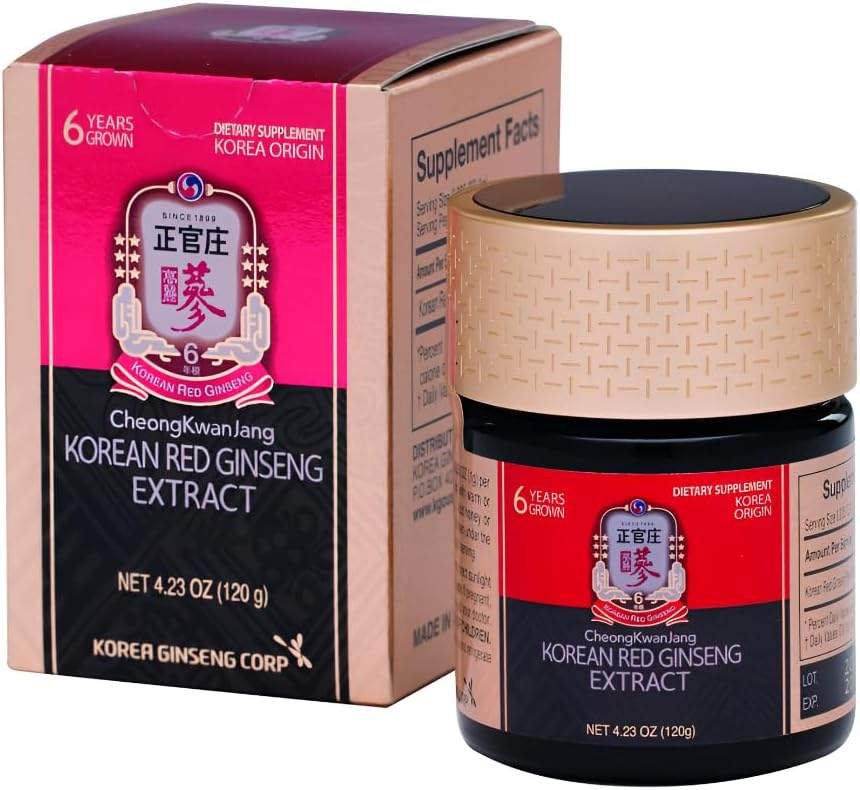
⭐ 5. Asian Red Ginseng / Panax ginseng
Why it may help: Panax ginseng (“Korean ginseng”) is often associated with improved energy, stamina and sexual performance. Some evidence suggests it may support testosterone levels, though the findings are less consistent compared to fenugreek or ashwagandha. A systematic review indicated some increase in testosterone, but many trials showed no effect — “Asian red ginseng … had 1 study demonstrating its efficacy … but 6 studies demonstrating no effect.” (PubMed)
How to use: Use a high-quality ginseng extract (e.g., standardized to ginsenosides). Typical doses range 200-400 mg daily for 8–12 weeks. Good to use in cycles (e.g., 8 weeks on, 2 weeks off) to maintain responsiveness.
Cautions: Ginseng may cause insomnia, agitation or blood pressure changes in some individuals. Avoid late in day if sensitive. Also, if you have hormone-sensitive conditions or are on stimulant drugs, consult your healthcare provider.
⭐ How to Incorporate Herbs into a Testosterone Support Routine
Step-by-step routine:
- Lifestyle foundation: Before expecting dramatic herbal effects, optimise sleep (7–9 hours per night), ensure progressive resistance training (especially compound movements), sufficient dietary protein, healthy fats (e.g., omega-3s), moderate alcohol, avoid smoking, reduce chronic stress, and correct nutrient deficiencies (vitamin D, zinc, magnesium).
- Choose one or two of the herbs above (rather than combining all at once blindly), and commit to a period of 8–12 weeks of consistent use. Example: Fenugreek in morning + Ashwagandha before bed.
- Use high-quality-standardised extracts, not generic powders of unknown potency.
- Record baseline metrics: testosterone (if tested), libido, energy, muscle strength, mood, recovery, sleep quality. Then monitor every 4–6 weeks.
- Monitor for side effects or interactions (especially if on hormone therapy, cardiovascular meds, or have prostate/hormone-sensitive conditions).
- After 8–12 weeks, assess results. If meaningful improvement seen, you may continue or cycle off. If little effect, consider medical evaluation (hormone panel) and lifestyle review.
- Important: Herbs are adjunctive. If testosterone deficiency is severe or symptomatic, medical therapy (TRT) may be necessary. Herbs can support but rarely replace professional treatment in clinically diagnosed hypogonadism.
⚠️ Important Considerations & Safety
- Natural doesn’t mean risk-free. Herbs can interact with medications or conditions.
- Many supplements are not well-regulated — contamination, adulteration or mislabeled potency occur. Choose trusted brands, ideally third-party tested.
- The evidence base for many herbs is modest. The systematic review noted only 9 of 32 studies showed significant testosterone increases; many studies had young, non-clinical populations and considerable heterogeneity. (PMC)
- Underlying low testosterone may have serious causes (obesity, type-2 diabetes, sleep apnea, testicular injury, pituitary/hormone disorders, medications). Relying solely on herbs without addressing root causes may delay appropriate care.
- Avoid combining multiple hormone-modulating herbs without guidance. For instance, if you already take testosterone or hormonal medications, herb use may shift hormone balance unpredictably.
- Pregnancy, breastfeeding, hormone-sensitive cancers (e.g., prostate, breast), children/adolescents — such herbs generally not recommended without specialist oversight.
- Lifestyle is foundational. If you continue poor sleep, high stress, nutrient deficiencies, no amount of herbal supplementation will fully overcome those deficits.
- Periodic breaks/cycling may help reduce tolerance (e.g., 8 weeks on / 2 weeks off) especially with adaptogenic herbs like ashwagandha.
✅⭐ Quick Reference Herb Table
| Herb | Key Benefit for Testosterone | Usage Tip |
|---|---|---|
| Ashwagandha (Withania) | Reduces stress → supports T; some studies show direct increase | 300–600 mg/day standardized extract for 8–12 weeks |
| Fenugreek (Trigonella) | Saponins may boost total & free T; meta-analysis support | ~500-600 mg/day standardized extract for 6–12 weeks |
| Tongkat Ali / Eurycoma longifolia | Increases total & free T (especially hypogonadal men) | 200–400 mg/day standardized extract for 8–12 weeks |
| Tribulus terrestris | Traditional libido herb; some T support, mixed evidence | 500-1500 mg/day extract for 6–12 weeks |
| Panax ginseng | Energy/stamina; some T support but less consistent | 200-400 mg/day extract for 8–12 weeks, cycle off 2 weeks |
⭐ Scientific References
- Carey JR, et al. “Effect of Eurycoma longifolia standardised aqueous root extract (Physta®) on testosterone levels and quality of life in ageing male subjects: a randomised, double-blind, placebo-controlled multicentre study.” PubMed. 2022. (PubMed)
- Hamilton EJ, et al. “Effect of fenugreek extract supplement on testosterone levels in male: A meta-analysis of clinical trials.” PubMed. 2020. (PubMed)
- Miroddi M, et al. “Examining the Effects of Herbs on Testosterone Concentrations in Men: A Systematic Review.” Advances in Nutrition. 2021;12(2):587-600. (Ovid)
- Kalman DS, et al. “Effects of Tribulus terrestris supplementation on erectile dysfunction and testosterone levels in men – A systematic review of clinical trials.” PubMed. 2023. (PubMed)
- Nall R. “Best Herbs to Boost Testosterone Naturally: Science-Backed Options for Men & Women.” HisHealthMag. 2024. (hishealthmag.com)
⭐ Final Thoughts
Supporting healthy testosterone levels naturally is a balanced endeavour. The herbs described — Ashwagandha, Fenugreek, Tongkat Ali, Tribulus, Panax ginseng — offer potential support for testosterone production, libido, vitality and general male hormonal health. However, they are not miracle pills. The most effective strategy combines lifestyle optimisation (sleep, exercise, nutrition, stress reduction), quality supplementation (with well-researched herbs in proper doses), and realistic expectations.
If you have clinically low testosterone, symptoms like fatigue, low libido, depression, muscle loss, or underlying health conditions (obesity, diabetes, sleep apnea, hormone disorders), then herbal support can be adjunctive but should not replace professional medical evaluation and treatment.
Start with one or two of these herbs, maintain consistency for 8–12 weeks, monitor how you feel, track relevant metrics (strength, mood, libido, possibly lab T values) and reassess. If you find benefit, that’s great; if not, it may be time to explore medical support or deeper underlying causes. Remember: the foundation of testosterone health is rooted in good lifestyle habits — herbs act as allies, not solo heroes.
With a thoughtful, sustained approach, high-quality herbal support can be part of your toolbox for optimal hormone health and strength.
[Top 5 Natural Herbs for Testosterone]