
????✨ The Top Natural Herbs for Psoriasis: The Ultimate Guide
The Top Natural Herbs for Psoriasis
The Top Natural Herbs for Psoriasis: Psoriasis is a chronic, inflammatory, and autoimmune skin disease that affects approximately 2–3% of the global population. It is characterized by red, scaly plaques on the skin, accompanied by itching, pain, and in some cases significant psychological burden.
Although modern medicine offers treatments such as corticosteroids, immunosuppressants, and biologic agents, many patients seek natural, complementary solutions to help relieve symptoms.
In this article, we analyze the best natural herbs for psoriasis that have been scientifically studied and can provide valuable support. ????
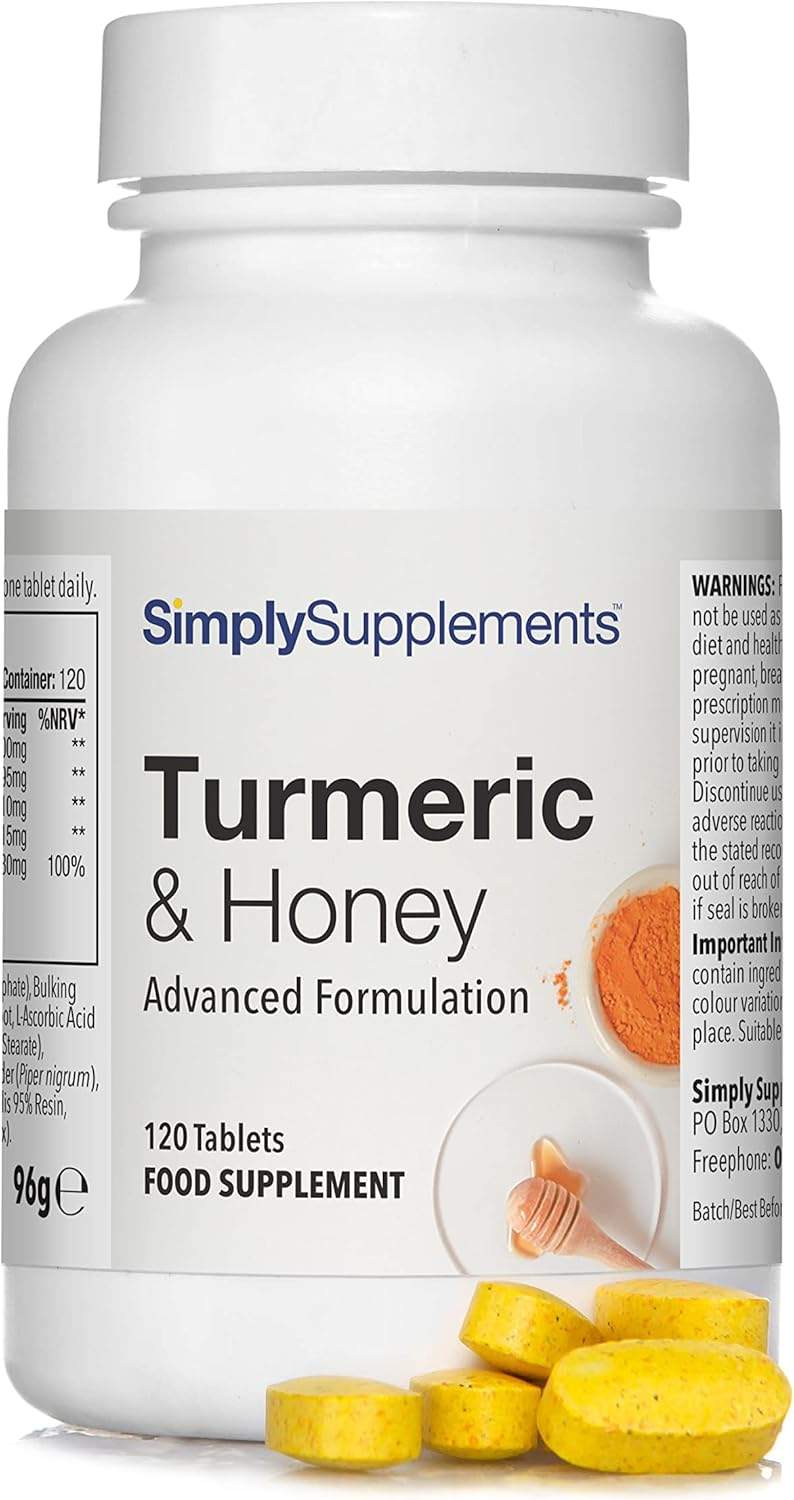
???? CLICK HERE TO SEE THE UNIQUE TURMERIC COLLECTION!
Psoriasis and Inflammation: A Complex Relationship ????
Psoriasis is associated with:
- Hyperactivity of the immune system
- Overproduction of keratinocytes
- Increased levels of inflammatory cytokines such as TNF-α, IL-17, and IL-23 (Lowes et al., 2014)
Herbs with anti-inflammatory, antioxidant, and immunomodulatory properties can help improve symptoms by reducing itching, lesions, and skin dryness.
1. Turmeric (Curcuma longa) ????????
Turmeric is perhaps the most well-known anti-inflammatory herb.
- Curcumin, its main active compound, has strong anti-inflammatory effects by inhibiting the production of inflammatory cytokines (Gupta et al., 2013).
- Clinical studies show that topical application of curcumin-based creams improves psoriatic lesions (Heng et al., 2000).
- Consuming turmeric in capsule form or as a spice in the diet may enhance the body’s overall anti-inflammatory response.
???? Tip: Combine turmeric with black pepper (piperine) to improve absorption.
2. Aloe Vera ????????
Aloe vera is widely known for its soothing and healing properties.
- It contains polysaccharides with anti-inflammatory effects.
- A study involving 80 patients showed that topical application of a cream containing 0.5% aloe vera extract significantly improved psoriatic lesions (Syed et al., 1996).
- It reduces irritation, dryness, and skin scaling.
???? Used as a gel or natural juice extracted directly from the plant leaf.
3. Licorice (Glycyrrhiza glabra) ????????
Licorice has a long history of use in herbal medicine, especially for skin conditions.
- Its main active compound, glycyrrhizin, has anti-inflammatory effects similar to corticosteroids (Fiore et al., 2008).
- Topical application of licorice-based ointments has been shown to reduce irritation and inflammatory skin responses.
- It also has antioxidant properties that protect skin cells from oxidative stress.
???? Suitable in cream, decoction, or tincture form.
4. Herbal Therapy with Mahonia (Mahonia aquifolium) ????????
Mahonia is less well known in Greece but has been extensively studied for psoriasis.
- It contains alkaloids such as berberine, which have anti-inflammatory and antimicrobial properties.
- Clinical studies show that ointments containing Mahonia extract improve psoriatic plaques (Szegedi et al., 2003).
- It helps reduce itching and redness.
???? Mainly used topically as a cream or lotion.
5. Indian Lilac (Neem – Azadirachta indica) ????????
Neem is known in Ayurvedic medicine as the “healing tree.”
- It contains compounds with anti-inflammatory, antibacterial, and antifungal effects (Kumar et al., 2013).
- In skin conditions such as psoriasis, it helps reduce itching and dryness.
- Topical neem oils or soaps assist in cleansing and soothing the skin.
???? Can be used as oil, soap, or tea.
6. Calendula (Calendula officinalis) ????✨
Calendula has strong anti-inflammatory and healing properties.
- Studies show that calendula extracts promote wound healing and reduce irritation (Parente et al., 2012).
- In psoriasis, topical calendula creams help reduce dryness and itching.
- It also improves skin elasticity.
???? Ideal in ointment or oil form.
7. Donkey Milk ????????
Although not a herb, it deserves mention as a natural product. It contains vitamins, fatty acids, and proteins that hydrate and soothe psoriatic skin (Salimei & Fantuz, 2012).
It is often used in soaps or cosmetic products.
8. Herbal Essential Oils ????????
- Lavender oil: Soothes stress and reduces itching
- Tea tree oil: Antibacterial action, helps prevent secondary infections
- Coconut oil: Deeply moisturizes and reduces dryness
???? Use topically, always diluted with a carrier oil.
Conclusion ????✨
The Top Natural Herbs for Psoriasis: Psoriasis is one of the most complex and demanding chronic skin diseases, not only due to its persistent nature but also because of its multifactorial etiology. Modern scientific knowledge has demonstrated that psoriasis is not merely a “skin problem,” but a systemic, autoimmune, and inflammatory disease that affects the immune system, metabolism, and psychological well-being of the patient. Within this context, the search for natural and complementary approaches is entirely understandable and, when done correctly, can provide meaningful benefits.
The natural herbs and plant extracts analyzed in this guide show significant scientific interest, as many have been studied at both laboratory and clinical levels. Turmeric, aloe vera, licorice, Mahonia, neem, and calendula appear to act on key mechanisms of psoriasis: inflammation, oxidative stress, immune system overactivity, and abnormal keratinocyte turnover. In other words, they do not merely offer temporary relief but may contribute to a more holistic management of the condition.
Of particular importance is the fact that many of these herbs exhibit effects similar to pharmaceutical agents (such as corticosteroids) but with a milder side-effect profile, especially when used topically. At the same time, natural products such as herbal oils, coconut oil, or donkey milk provide deep hydration, strengthen the skin barrier, and improve overall skin quality—critical factors for individuals suffering from chronic dryness and scaling.
However, it must be emphasized that natural herbs do not constitute a “cure” in the sense of permanently eliminating psoriasis. To date, psoriasis has no definitive cure. What can be achieved is better symptom control, reduced flare-ups, and improved quality of life. This is precisely where herbal medicine finds its value: as a complementary tool, alongside medical supervision, proper nutrition, stress management, and a healthy lifestyle.
Finally, every organism is unique. Responses to herbal treatments vary from person to person and require caution, consistency, and ideally guidance from a healthcare professional. When used knowledgeably and responsibly, natural herbs can become valuable allies in the long-term, holistic management of psoriasis—offering not only physical relief but also a sense of control and well-being for the patient ????✨
???? Scientific References
Gupta SC, Patchva S, Aggarwal BB. Therapeutic roles of curcumin: lessons learned from clinical trials. AAPS J. 2013.
Heng MC, Song MK, Harker J, Heng MK. Drug-induced suppression of phosphorylase kinase activity correlates with resolution of psoriasis as assessed by clinical, histological and immunohistochemical parameters. Br J Dermatol. 2000.
Syed TA, Ahmad SA, Holt AH, Ahmad SA, Afzal M, Ahmad SH. Management of psoriasis with Aloe vera extract in a hydrophilic cream: a placebo-controlled, double-blind study. Trop Med Int Health. 1996.
Fiore C, Eisenhut M, Krausse R, et al. Antiviral, antimicrobial, anti-inflammatory, and antitumor activities of licorice: From empiricism to evidence. Phytother Res. 2008.
Szegedi A, Dippel E, Mahrle G, et al. Treatment of psoriasis with Mahonia aquifolium ointment: a placebo-controlled, double-blind study. Hautarzt. 2003.
Kumar S, Maheshwari KK, Singh V. Neem (Azadirachta indica): Prehistory to contemporary medicinal uses to humankind. Asian Pac J Trop Biomed. 2013.
Parente LM, Lino Júnior Rde S, Tresvenzol LM, et al. Wound healing and anti-inflammatory effect in animal models of Calendula officinalis L. Evid Based Complement Alternat Med. 2012.
Salimei E, Fantuz F. Donkey milk: composition, nutritional value, and potential applications. Dairy Sci Technol. 2012.
Lowes MA, Suárez-Fariñas M, Krueger JG. Immunology of psoriasis. Annu Rev Immunol. 2014.