
????The Best Natural Herbs to Help You Quit Smoking : The Absolute Guide
The Best Natural Herbs to Help You Quit Smoking: Quitting smoking is hard. Nicotine addiction affects brain reward pathways, mood regulation, appetite and stress responses — and withdrawal often brings cravings, anxiety, insomnia and irritability. While evidence-based medical tools (nicotine replacement therapy, bupropion, varenicline, counselling) remain first-line, many people want safe complementary strategies to reduce cravings, calm withdrawal symptoms, and support mood and sleep during the quit attempt.
Herbs are not magic “quit pills.” Instead, the best herbal approaches aim to support the quit process by (1) reducing craving intensity, (2) easing anxiety/insomnia, (3) stabilizing mood, and (4) blunting some of nicotine’s reinforcing effects. Below are the best-supported herbs and botanical strategies — what they may do, how to use them, and what the science actually says.
Short guide: Use herbs as adjuncts, not replacements, for proven cessation aids. Discuss herb use with your clinician if you take medications (especially antidepressants, anticoagulants, or other psychoactives).
????CLICK HERE TO SEE LOBELIA AND OTHER HERBS ON AMAZON !
???? 1. Lobelia (Lobelia inflata) — a historically popular but mixed-evidence option
???? Why people tried it
Lobelia (and its alkaloid lobeline) has a long history in Western herbalism as a tobacco substitute because it interacts with nicotinic acetylcholine receptors and can influence dopamine release — the same reward circuitry nicotine activates. That pharmacology made lobeline an attractive candidate for smoking-cessation research. (PubMed)
???? What the evidence shows
Clinical evidence is inconclusive and limited. Systematic reviews and clinical trials have not shown consistent long-term benefit for smoking cessation, and some trials report no advantage versus placebo. Major reviews caution that lobeline preparations are not proven effective and safety data are limited. (PMC)
???? How people use it (if they choose to)
- Traditional dosing: standardized extracts or tinctures per product label.
- Some clinical trials tested lobeline sulfate formulations; follow research doses if using under medical supervision.
???? Safety & cautions
Lobeline can cause GI upset, sweating, dizziness and — in higher doses — more serious effects. Because evidence is weak and safety data are limited, many clinicians advise against lobelia as a first-line herb for quitting. If you consider it, discuss with a clinician and avoid in pregnancy or in heart disease. (PMC)
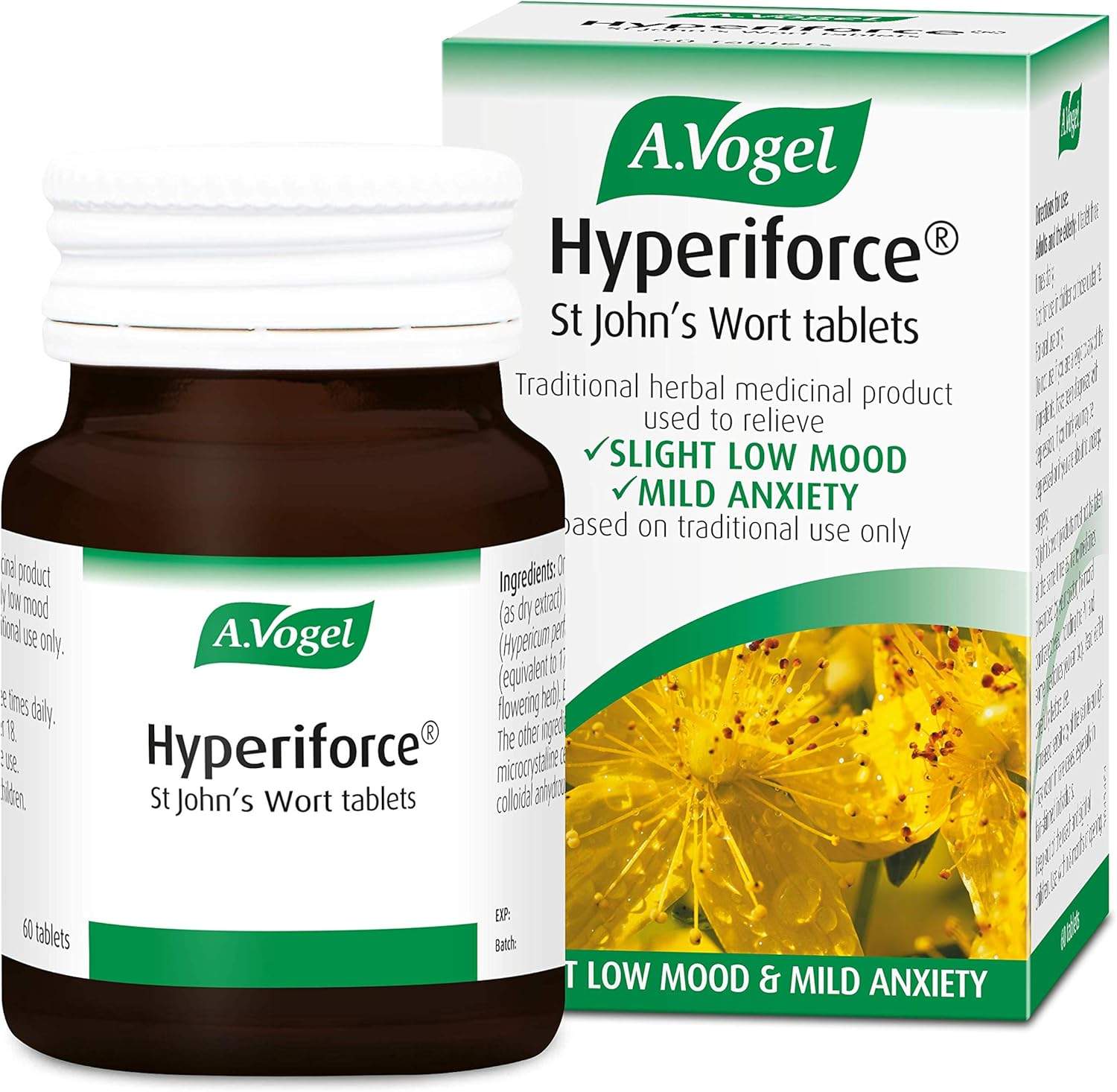
???? 2. St. John’s Wort (Hypericum perforatum) — mood support during withdrawal
???? Why it may help
Nicotine withdrawal often triggers low mood and depressive symptoms in vulnerable people. St. John’s wort is a well-known herb for mild–moderate depression and may ease mood-related relapse risk by modulating serotonin and related neurotransmitter systems. Preclinical work also suggests effects on nicotine withdrawal behaviors. (PMC)
???? What the trials say
Randomized clinical trials of St. John’s wort specifically for smoking cessation have produced mixed results — some studies show no clear increase in abstinence rates compared with placebo, while others suggested modest benefits for mood or some secondary outcomes. Overall, evidence does not support St. John’s wort as a stand-alone quit therapy, but it can be useful as a mood-support adjunct for some people. (PMC)
???? How to use it (common clinical regimens)
- Standardized extract (e.g., LI 160): typical antidepressant-range doses are ~300–900 mg/day (divided doses).
- Duration: mood benefits typically need several weeks to appear; plan for a sustained course if used.
???? Safety & interactions
St. John’s wort has important drug interactions (induces CYP3A4 and other enzymes) and can reduce levels/effectiveness of many drugs: oral contraceptives, antidepressants, immunosuppressants, warfarin, HIV meds and more. Do not start SJW without checking drug interactions. (PMC)
???? 3. Kudzu (Pueraria lobata) — early evidence for reducing intake
???? Why researchers looked at kudzu
Kudzu root contains isoflavones (puerarin, daidzin) that modulate neurotransmitter systems linked to reward. It has been studied more for alcohol reduction but has also been tested for tobacco use reduction because the same reward pathways (dopamine) underlie both behaviors. (PMC)
???? What the studies show
Some human trials of standardized kudzu extracts reported small reductions in number of cigarettes smoked or alcohol intake, but results are mixed and not strong enough to claim kudzu as a proven cessation aid. In one study, cigarettes per day decreased during treatment, but placebo groups often showed similar trends. More rigorous, larger trials are needed. (PMC)
???? How to use it
- Standardized kudzu root extract (product-dependent). Some trials used ~1.2 g twice daily for alcohol studies — translation to smoking requires clinical oversight.
???? Safety & cautions
Kudzu is generally well tolerated in short trials but potential hormonal effects (phytoestrogens) mean caution in pregnancy and hormone-sensitive conditions.
???? 4. Ginseng (Panax species) — brain support and possible modulation of nicotine effects
???? Why ginseng may help
Ginseng saponins interact with dopamine and other neurochemistry; animal studies show ginseng can blunt nicotine-induced activity and may modulate reward pathways. This suggests ginseng could reduce nicotine’s reinforcing effects or protect against withdrawal-related stress. (ScienceDirect)
???? What the evidence says
Most data are preclinical (animal studies) with limited human clinical evidence specifically for smoking cessation. Some patents and small trials suggest potential, but robust RCTs in humans are scarce. Ginseng may be more useful as a general resilience and cognitive support during a quit attempt. (Nature)
???? How to use it
- Standardized Panax ginseng extract: common doses range 200–400 mg/day of standardized extract (product-dependent).
- Consider using short cycles (e.g., 6–12 weeks) with breaks.
???? Safety & cautions
Possible interactions with stimulants, anticoagulants and effects on blood pressure; avoid high doses if you have hypertension or take MAOIs.
???? 5. Green Tea / EGCG — antioxidants that blunt withdrawal anxiety (preclinical + early clinical promise)
???? Why green tea might help
Green tea catechins (EGCG) have neuroprotective, anxiolytic and anti-inflammatory properties. Animal studies show EGCG can reduce nicotine withdrawal-related anxiety and neuroinflammation. Some small human studies also suggest green-tea components reduce cravings or support mood during withdrawal. (PMC)
???? What the evidence says
Most robust evidence is preclinical, but translational human work (green tea extracts or teas) shows promise for reducing anxiety and supporting cognitive resilience during quit attempts. Green tea also provides a non-pharmacologic oral substitution (holding/ sipping a hot drink) which can help behaviorally. (PMC)
???? How to use it
- Drink 2–4 cups/day of brewed green tea.
- Standardized EGCG extracts: doses vary; many supplements provide 200–400 mg EGCG/day (follow product guidance).
???? Safety & cautions
High-dose extracts have rare reports of liver toxicity; prefer brewed tea or reputable extracts and avoid mega-doses.
???? 6. Herbs for symptom support — calming & sleep herbs that ease withdrawal (lavender, passionflower, lemon balm, valerian)
???? Why symptom-targeting herbs matter
Many quit attempts fail because withdrawal causes anxiety, insomnia, or agitation. Herbs that reliably reduce anxiety or improve sleep can improve quit success by reducing relapse triggers. Clinical evidence supports several nervine herbs for anxiety or insomnia (though not all are proven to increase quit rates directly).
Examples & evidence
- Lavender (aromatherapy or standardized oral extracts) reduces anxiety in clinical trials. (PMC)
- Passionflower and lemon balm show anxiety-reducing and sleep-improving effects in randomized trials.
- Valerian helps with sleep quality in some people. Use these as symptom relief during the acute withdrawal window.
???? Practical dosing (general)
- Lavender capsules (Silexan): 80 mg/day (evidence for anxiety).
- Passionflower tea or extract: follow product dosing (teas nightly; extracts 250–500 mg/day).
- Lemon balm tea: 1–2 cups/day; capsules 300–500 mg/day.
- Valerian: 400–900 mg at night for sleep.
???? Safety & interactions
Avoid mixing multiple sedative herbs with alcohol or prescription sedatives. Check interactions if on psychiatric meds.
???? 7. Practical herbal quitting strategies — how to combine botanicals with a quit plan
Herbs work best when embedded in a structured quit plan:
- Use evidence-based cessation tools first (NRT, behavioural counselling, medications when appropriate). Herbs are adjunctive.
- Match herb to symptom: choose mood herbs (St. John’s wort or tulsi) for low mood; choose calming herbs (lavender, passionflower) for anxiety/insomnia; consider kudzu or ginseng if craving reduction is the goal. (PMC)
- Behavioral replacements: sipping green tea or herbal infusions during craving moments helps occupy hands/mouth and provides ritual replacement. (armaghanj.yums.ac.ir)
- Set a quit day and plan: use herbs to blunt early withdrawal (first 2–4 weeks) and focus on counselling/support groups for long-term relapse prevention.
- Track and adjust: keep a diary of cravings and which herbs help — effectiveness varies by person.
???? Safety, interactions, and when to seek medical help
- Drug interactions: St. John’s wort is a strong enzyme inducer (many interactions). Ginseng and ginkgo interact with anticoagulants/stimulants. Lobeline/lobelia have cardiac/neurologic risks in high doses. Always check interactions with your prescribing clinician. (PMC)
- Pregnancy & breastfeeding: avoid most cessation herbs (particularly lobelia, kudzu, St. John’s wort) unless supervised by an OB. Nicotine replacement therapy alternatives should be discussed with healthcare providers.
- Substance overlap: if you use other psychoactives (alcohol, benzos), be cautious with sedative herbs.
- Red flags: severe withdrawal (syncope, chest pain, suicidal ideation) or severe liver symptoms (jaundice, dark urine) — seek urgent care.
???? Realistic expectations — what herbs can and cannot do
Herbs can lower the intensity of withdrawal symptoms, support mood and sleep, occupy oral rituals, and in a few cases blunt neurochemical effects of nicotine. But high-quality human evidence that any single herb reliably causes smoking abstinence is limited. The clearest path to quitting remains evidence-based pharmacotherapy plus behavioural support; herbs are supportive tools that can make the process more tolerable for some people. (PMC)
???? Quick reference — what to try (practical cheat sheet)
- Acute cravings / reward blunting: Kudzu (under supervision), possible benefit; lobeline has theoretical basis but weak clinical support—use with caution. (PMC)
- Mood support / withdrawal depression: St. John’s wort (check interactions), holy basil (tulsi) for adaptogenic mood support. (PMC)
- Anxiety / insomnia: Lavender, passionflower, lemon balm, valerian. (PMC)
- Behavioral replacement / antioxidant support: Green tea (EGCG) for anxiety blunt and ritual substitution. (PMC)
- General resilience & cognition: Ginseng, rhodiola (adaptogens for energy and mental clarity). (Nature)
???? Conclusion — a balanced, evidence-informed herbal approach
Quitting smoking is best achieved with a combination of proven medical tools and supportive strategies. Herbs can be valuable allies for many smokers — reducing anxiety, improving sleep, offering behavioral substitutes, and occasionally modulating reward pathways — but they should be used thoughtfully and safely. If you plan to use botanicals during a quit attempt:
- talk to your clinician about interactions,
- choose high-quality standardized products, and
- combine herbs with counselling and (when appropriate) nicotine-replacement or prescription therapy.
With a structured plan, social support, and smart herbal choices, many people find quitting more achievable — and a long, smoke-free life more likely.
???? Selected Scientific References (key sources cited above)
- Stead, L. F., & others. (2012). Lobeline for smoking cessation. PubMed Central. Review conclusion: limited evidence for benefit; safety concerns. (PMC)
- Sood, A., et al. (2010). A randomized clinical trial of St. John’s wort for smoking cessation. PubMed Central. (Mixed results; mood effects explored.) (PMC)
- Lukas, S. E., et al. (2012). A standardized kudzu extract (NPI-031) reduces alcohol consumption and was explored for addictive behaviors. PubMed Central; some reductions in cigarette use reported in small studies. (PMC)
- Rahmadi, M., et al. (2023). EGCG ameliorates nicotine withdrawal–related anxiety in mice. PubMed Central; preclinical support for green tea catechins in withdrawal. (PMC)
- Frazer, E., et al. (2025). A review of mechanisms and risks of Panax ginseng in addiction contexts. PubMed Central / review literature; mostly preclinical and limited human evidence. (PMC)
- Dwoskin, L. P., et al. (2002). Mechanisms of action for lobeline and potential use for tobacco dependence. Journal article summarizing lobeline pharmacology. (ScienceDirect)
- Memorial Sloan Kettering Cancer Center. (2022). Lobelia — patient info: current evidence does not support lobelia for smoking cessation. (Memorial Sloan Kettering Cancer Center)
[The Best Natural Herbs to Help You Quit Smoking]