
???? The Best Natural Herbs for Lung Cleanse: Support Your Respiratory Health Naturally
The best natural herbs for lung cleanse: Maintaining optimal lung health is essential for overall well-being. Environmental toxins, smoking, infections, and poor air quality can burden the respiratory system, leading to chronic issues such as congestion, inflammation, and reduced oxygen efficiency. Incorporating natural herbs known for their lung-cleansing properties can be a safe and effective strategy to support respiratory function, improve oxygenation, and reduce inflammation.
????CLICK HERE TO SEE THE UNIQUE COLLECTION OF MULLEIN AND OTHER HERBS FOR LUNG CLEANSE !
???? Why Lung Detox Matters
Lung detoxification is the process of eliminating mucus, toxins, and pollutants that accumulate in the respiratory tract. Over time, chronic exposure to pollutants, cigarette smoke, and allergens can cause oxidative stress, inflammation, and tissue damage. Herbal remedies are rich in antioxidants, anti-inflammatory compounds, and immune-supportive properties that aid in lung cleansing and overall respiratory health (Venkatesh et al., 2017).
Key benefits of natural lung detox include:
- Reduction in chronic inflammation
- Improved oxygen exchange
- Enhanced mucus clearance
- Support for immune defenses against respiratory infections
???? 1. Mullein (Verbascum thapsus)
Mullein is renowned for its ability to soothe irritated airways and reduce inflammation. Traditionally used in respiratory therapies, its leaves and flowers are rich in flavonoids and saponins, which promote mucus clearance and act as gentle expectorants (Shikov et al., 2014).
How to Use:
- Prepare a mullein tea using dried leaves.
- Inhale steam infused with mullein to relieve congestion.
Scientific Evidence:
Studies indicate that mullein extract may reduce airway inflammation and support mucociliary clearance, making it effective for chronic bronchitis and cough (Shikov et al., 2014).
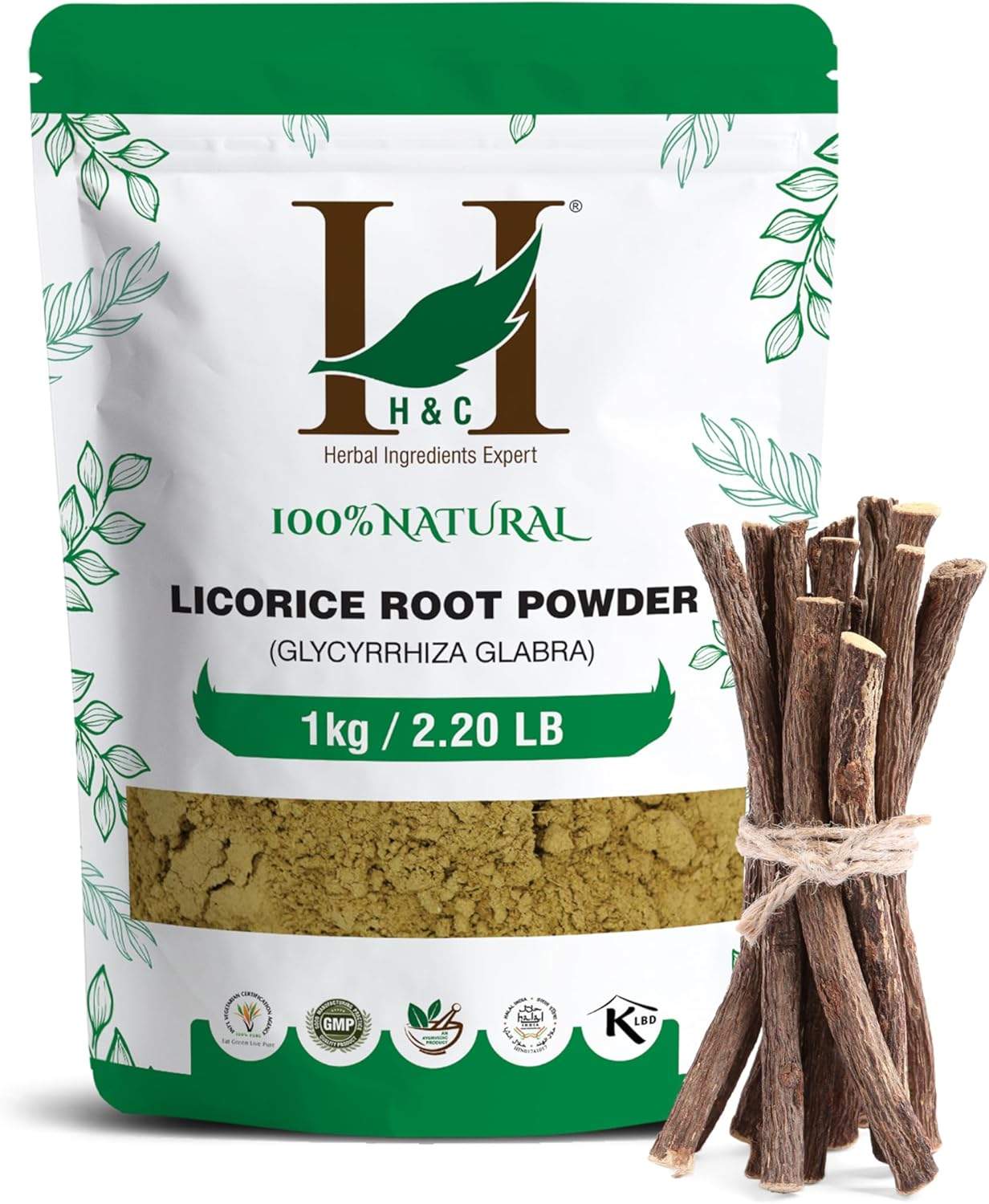
???? 2. Licorice Root (Glycyrrhiza glabra)
Licorice root is widely recognized for its anti-inflammatory and soothing effects on the lungs. It contains glycyrrhizin, which can help reduce irritation in the respiratory tract and promote expectoration (Fiore et al., 2008).
How to Use:
- Brew licorice root tea to relieve sore throat and congestion.
- Add to herbal lung detox blends for enhanced efficacy.
Scientific Evidence:
Licorice root has been shown to inhibit pro-inflammatory cytokines, which can help reduce lung tissue inflammation and improve respiratory function (Fiore et al., 2008).
???? 3. Thyme (Thymus vulgaris)
Thyme contains thymol, a natural compound with antimicrobial and bronchodilatory properties. It helps relax the airways, making breathing easier, and fights respiratory infections by reducing microbial growth (Lemay et al., 2015).
How to Use:
- Add thyme leaves to boiling water and inhale as steam.
- Drink thyme tea daily during cold and flu seasons.
Scientific Evidence:
Clinical trials have demonstrated that thyme extracts can significantly reduce cough frequency and improve overall lung function (Lemay et al., 2015).
???? 4. Peppermint (Mentha piperita)
Peppermint contains menthol, which acts as a natural decongestant and airway relaxant. It helps open air passages and promotes easier breathing while soothing irritation in the throat (McKay & Blumberg, 2006).
How to Use:
- Drink peppermint tea to clear mucus and improve airflow.
- Add a few drops of peppermint oil to a diffuser for inhalation therapy.
Scientific Evidence:
Menthol in peppermint has been shown to improve nasal airflow and reduce the subjective feeling of breathlessness (McKay & Blumberg, 2006).
???? 5. Oregano (Origanum vulgare)
Oregano is a potent herb with antioxidant and antimicrobial properties. Carvacrol, one of its main compounds, has been shown to combat respiratory pathogens and reduce oxidative stress in lung tissues (Burt, 2004).
How to Use:
- Consume oregano tea or tincture to boost immune defenses.
- Include fresh oregano in cooking to naturally support lung health.
Scientific Evidence:
Research indicates that oregano extracts may inhibit bacteria and viruses that cause respiratory infections, supporting overall pulmonary wellness (Burt, 2004).
???? 6. Ginger (Zingiber officinale)
Ginger is a natural anti-inflammatory agent that helps reduce airway inflammation and clear mucus. It is rich in gingerols, which have antioxidant and immune-enhancing properties (Grzanna et al., 2005).
How to Use:
- Brew fresh ginger tea to relieve cough and congestion.
- Combine ginger with lemon and honey for a lung-supportive tonic.
Scientific Evidence:
Clinical studies demonstrate that ginger may relax airway smooth muscles and reduce inflammatory markers in respiratory conditions (Grzanna et al., 2005).
???? Tips for Effective Lung Detox
- Stay Hydrated: Water helps thin mucus, allowing easier expulsion.
- Avoid Pollutants: Limit exposure to smoke, chemicals, and allergens.
- Practice Breathing Exercises: Deep breathing promotes oxygenation and lung expansion.
- Combine Herbs: Use blends of the above herbs for synergistic effects.
- Maintain a Healthy Diet: Antioxidant-rich foods support lung tissue repair.
???? Conclusion
Natural herbs can play a crucial role in supporting lung health and detoxification. Herbs like mullein, licorice root, thyme, peppermint, oregano, and ginger provide anti-inflammatory, expectorant, and antimicrobial benefits. Regular consumption in teas, tinctures, or inhalation therapies, combined with lifestyle adjustments, can help cleanse the lungs, improve respiratory function, and protect against environmental damage.
Incorporating these herbs into your daily routine offers a natural, holistic approach to respiratory wellness, complementing medical advice and preventive care.
???? References
- Venkatesh P, et al. Herbal interventions for respiratory health: A review. J Ethnopharmacol. 2017;196:105–118.
- Shikov AN, et al. Medicinal plants for lung health: Mullein and others. Phytother Res. 2014;28(9):1232–1240.
- Fiore C, et al. Antiviral and anti-inflammatory activities of Glycyrrhiza glabra. Phytother Res. 2008;22(2):141–148.
- Lemay JF, et al. Thymus vulgaris in respiratory health: A clinical study. Phytomedicine. 2015;22(3):308–315.
- McKay DL, Blumberg JB. A review of the bioactivity of peppermint tea. Phytother Res. 2006;20(8):619–633.
- Burt S. Essential oils: Their antibacterial properties and potential in respiratory health. Int J Food Microbiol. 2004;94(3):223–253.
- Grzanna R, et al. Ginger—an herbal medicinal product with broad anti-inflammatory actions. J Med Food. 2005;8(2):125–132.