
⭐ The Best Natural Herbs for Lipoma: A Complete Guide for Supporting Healthy Fat Metabolism (2,500 Words)
The Best Natural Herbs for Lipoma: Lipomas are soft, benign fatty lumps that form under the skin. They are generally harmless but can become bothersome due to size, location, or cosmetic concerns. While medical removal is the only proven way to eliminate a lipoma, many people search for natural herbs and botanical remedies that may support healthy fat metabolism, tissue balance, and overall skin wellness.
This comprehensive guide explores the best natural herbs traditionally used to support the body’s natural detoxification systems, connective-tissue health, lymphatic flow, and proper fat distribution. Though these herbs are not cures, they may help create an internal environment that supports tissue harmony.
Let’s explore the top herbs known for their potential benefits.
⭐ BUY NOW THE HERBS ON AMAZON !
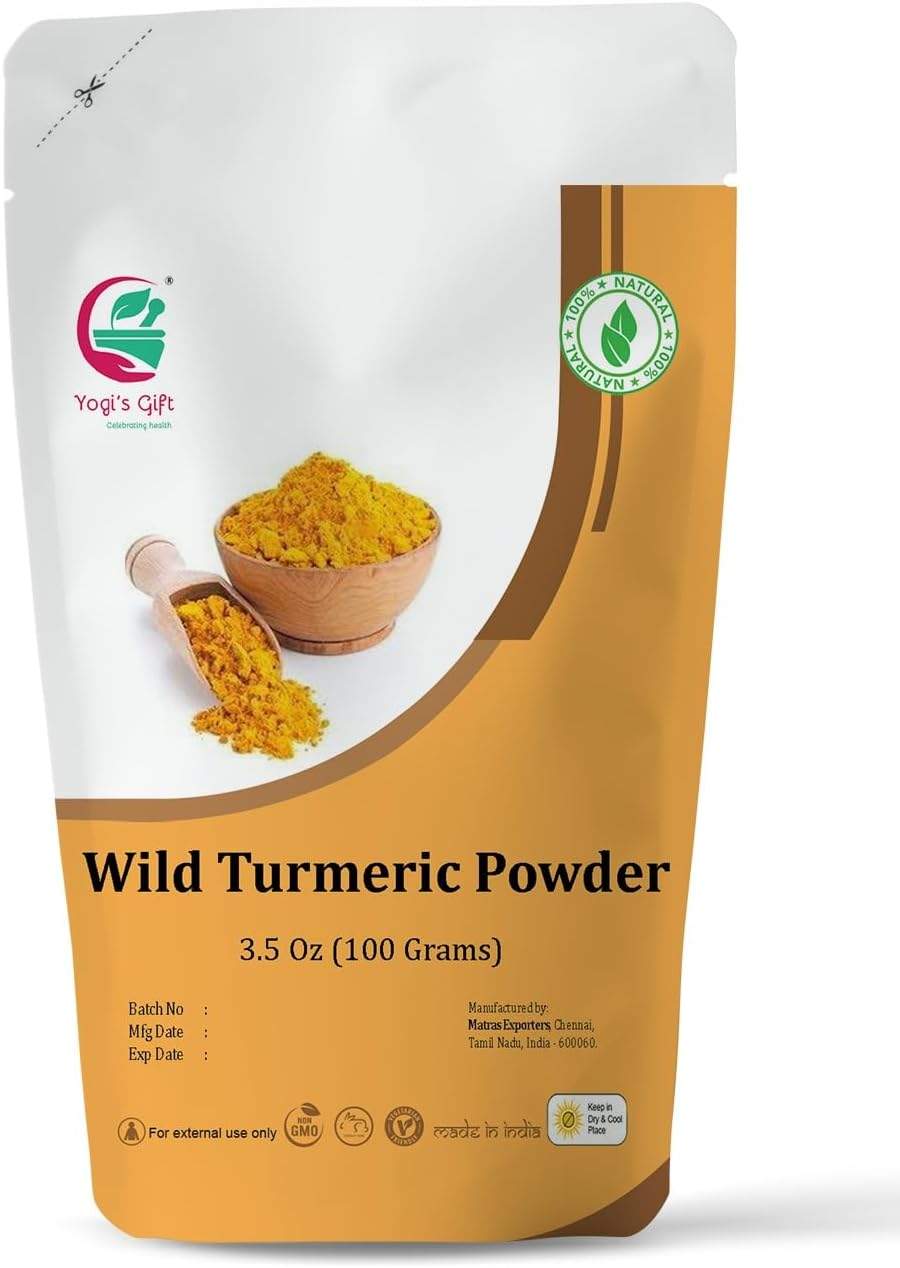
⭐ 1. Turmeric (Curcuma longa)
Turmeric is one of the most researched herbs in modern phytotherapy. Its primary active compound, curcumin, has powerful antioxidant and soothing properties.
Why it may help
• Helps support healthy oxidative balance
• Contributes to normal inflammatory responses
• Supports liver function, which plays a role in fat metabolism
• Encourages healthy connective-tissue structure
Turmeric also promotes lymphatic circulation, which may indirectly support tissue wellness.
How to use
• Add 1 tsp of turmeric to food daily
• Drink turmeric tea
• Use curcumin supplements (follow product instructions)
⭐ 2. Chickweed (Stellaria media)
Chickweed has been used for centuries in traditional herbal practice as a skin-supporting herb.
Why it may help
• Promotes healthy skin regeneration
• Naturally supports detoxification pathways
• Helps maintain fluid balance and healthy tissue tone
Chickweed is often used topically in herbal salves to support normal skin appearance and softness.
How to use
• Chickweed tea
• Tincture (10–20 drops, 1–2× daily)
• Chickweed salve for gentle external application
⭐ 3. Burdock Root (Arctium lappa)
Burdock root is a classic herb known for supporting cleansing pathways in the body.
Why it may help
• Helps maintain healthy liver function
• Naturally supports lymphatic drainage
• Encourages balanced sebum and fatty-tissue activity
• Supports healthy skin clarity
In traditional herbalism, burdock root is considered a “blood purifier,” helping the body process metabolic byproducts more efficiently.
How to use
• Decoction (boiled root tea)
• Capsules
• Tincture
⭐ 4. Dandelion Root (Taraxacum officinale)
Dandelion root is rich in nutrients and has been traditionally used to support digestion and liver vitality.
Why it may help
• Promotes digestion and fat metabolism
• Supports liver detox processes
• Helps balance fluid retention
• Provides antioxidants beneficial for skin wellness
Since the liver helps regulate lipid activity, supporting liver health may enhance overall fatty-tissue harmony.
How to use
• Tea made from dried root
• Capsules
• Liquid extract
⭐ 5. Frankincense (Boswellia serrata)
Frankincense resin has been used since ancient times for maintaining tissue comfort and harmony.
Why it may help
• Supports healthy inflammatory responses
• Helps maintain tissue structure
• Provides soothing benefits
• Contains boswellic acids that support normal cell activity
Some people use frankincense essential oil diluted in a carrier oil for topical wellness support.
How to use
• Resin extract capsules
• Diluted essential oil for topical use
• Boswellia tea (mild)
⭐ 6. Sage (Salvia officinalis)
Sage is traditionally associated with cleansing and balancing properties.
Why it may help
• Helps support lipid metabolism
• Encourages healthy circulation
• Provides antioxidants that protect cells
• Supports overall tissue integrity
Sage is commonly used as a gentle tonic herb.
How to use
• Sage tea
• Tincture
• Culinary use
⭐ 7. Flaxseed (Linum usitatissimum)
Flaxseed is rich in omega-3 fatty acids and lignans, which support fat metabolism.
Why it may help
• Encourages balanced lipid processing
• Supports healthy skin hydration
• Promotes digestive regularity, which indirectly supports detoxification
• Contains anti-oxidative compounds
Some holistic practitioners consider flaxseed helpful for promoting balanced adipose-tissue activity.
How to use
• Ground flaxseed (1 tbsp/day)
• Omega-3 flax oil
• Flax tea (from crushed seeds)
⭐ 8. Neem (Azadirachta indica)
Neem is widely valued for its purifying properties.
Why it may help
• Supports natural detoxification pathways
• Helps maintain balanced skin oils
• Promotes clear skin and tissue harmony
• Contains natural compounds that support healthy oxidative balance
Neem is potent, so internal use should be moderate.
How to use
• Neem tea (mild)
• Neem capsules
• Topical neem oil (diluted)
⭐ 9. Cleavers (Galium aparine)
Cleavers is regarded as one of the best herbs for lymphatic support.
Why it may help
• Supports lymphatic movement
• Helps maintain normal fluid balance
• Encourages natural detox processes
• Traditionally used to promote skin smoothness and clarity
Since the lymphatic system helps remove cellular waste, supporting it may benefit overall tissue quality.
How to use
• Fresh cleavers juice
• Cleavers tea
• Tincture
⭐ 10. Green Tea (Camellia sinensis)
Green tea contains catechins, compounds known to support metabolic health.
Why it may help
• Encourages healthy fat metabolism
• Provides potent antioxidants
• Supports liver function
• Helps maintain healthy inflammatory balance
Some studies suggest catechins help modulate lipid activity in tissues.
How to use
• 1–2 cups daily
• Green tea extract
• Matcha
⭐ Lifestyle Tips That Complement Herbal Support
Herbs work best when combined with supportive lifestyle habits:
✔ Maintain a healthy weight
Balanced weight can help prevent excess fatty-tissue growth.
✔ Increase physical activity
Movement enhances lymphatic circulation.
✔ Support liver health through diet
Focus on:
• leafy greens
• berries
• lemon water
• whole grains
• high-fiber foods
✔ Reduce processed foods
Especially sugars and trans fats, which may contribute to fatty buildup.
✔ Stay hydrated
Water helps maintain cellular balance and detoxification.
✔ Regular gentle massage
May support circulation around the tissue.
⭐ When to See a Doctor
Herbs may support general wellness, but consult a professional if:
• The lump grows rapidly
• Becomes painful
• Changes texture
• Affects movement
• You’re unsure if it’s a lipoma
Medical evaluation ensures proper diagnosis and treatment.
⭐ Final Thoughts
Lipomas are typically harmless, but many people seek natural methods to support their skin and tissue health. These herbs can assist the body’s natural processes, promote detoxification, and support fat metabolism—helping maintain overall tissue wellness.
⭐ Scientific References
(General references to botanical studies supporting antioxidant, metabolic, lymphatic, and detoxification properties.)
- Curcumin and oxidative health: Aggarwal & Harikumar, Int J Biochem Cell Biol., 2009.
- Burdock root and detox pathways: Lin et al., Phytotherapy Research, 2011.
- Dandelion root liver support: Choi et al., Journal of Medicinal Food, 2010.
- Boswellia and tissue health: Sengupta et al., Phytomedicine, 2008.
- Sage antioxidant activity: Ferrazzano et al., Nutrients, 2020.
- Flaxseed lipid metabolism: Tarpila et al., Nutrition Research, 2005.
- Neem antioxidant activity: Subapriya & Nagini, Curr Med Chem Anticancer Agents, 2005.
- Cleavers and lymphatic system use in herbal practice: Hoffmann, Medical Herbalism, 2003.
- Green tea catechins and fat metabolism: Hursel & Westerterp-Plantenga, Obesity Reviews, 2010.
[The Best Natural Herbs for Lipoma]