
???? Introduction: Understanding Chronic Fatigue
The best natural herbs for chronic fatigue treatment: Chronic fatigue is more than just feeling tired after a long day. It is a persistent state of exhaustion that doesn’t improve with rest and often interferes with daily life. According to the Centers for Disease Control and Prevention (CDC, 2020), chronic fatigue syndrome (CFS) affects millions worldwide, with symptoms including fatigue, muscle pain, cognitive difficulties, and sleep disturbances.
While medical interventions focus on symptom management, many individuals are turning to natural herbs for support. Herbs can enhance energy, reduce inflammation, support adrenal function, and improve mental clarity. In this article, we explore the best natural herbs scientifically proven to help combat chronic fatigue ????????.
???? CLICK HERE TO SEE A UNIQUE THE UNIQUE COLLECTION OF ASHWAGANDHA !
???? 1. Ashwagandha (Withania somnifera)
???? Background
Ashwagandha, a staple in Ayurvedic medicine, is classified as an adaptogen, meaning it helps the body cope with physical and mental stress.
✨ Anti-Fatigue Properties
Ashwagandha reduces cortisol levels, improves adrenal function, and enhances cellular energy production. This can help alleviate fatigue linked to stress and chronic conditions (Choudhary et al., 2015).
???? Scientific Evidence
- A randomized controlled trial found that ashwagandha supplementation significantly improved energy levels and reduced stress in adults with chronic fatigue symptoms (Choudhary et al., 2015).
- Another study reported enhanced cardiorespiratory endurance and reduced perceived exertion, highlighting its role in physical fatigue (Auddy et al., 2008).
???? How to Use
- Available as capsules, powders, and liquid extracts.
- Standard dosage: 300–500 mg of standardized extract, once or twice daily.
???? 2. Rhodiola Rosea
???? Background
Rhodiola, also known as golden root, is a potent adaptogen used in traditional medicine in Russia and Scandinavia.
✨ Anti-Fatigue Properties
It helps balance stress hormones, improve mitochondrial function, and enhance mental performance. Rhodiola supports both physical and cognitive energy (Panossian & Wikman, 2010).
???? Scientific Evidence
- A double-blind study demonstrated that Rhodiola extract reduced fatigue and improved mental performance in physicians on night duty (Darbinyan et al., 2000).
- Clinical trials also suggest benefits in patients with chronic fatigue syndrome by enhancing attention, memory, and overall energy (Spasov et al., 2000).
???? How to Use
- Standardized 250–500 mg Rhodiola extract, taken in the morning.
- Avoid late-day use to prevent sleep disturbances.
???? 3. Ginseng (Panax ginseng)
???? Background
Ginseng is a widely known energy-boosting herb used in traditional Chinese medicine. Its active compounds, ginsenosides, enhance physical endurance and reduce fatigue.
✨ Anti-Fatigue Properties
Ginseng increases ATP production, supports immune function, and modulates the HPA axis to improve resilience to stress (Kim et al., 2013).
???? Scientific Evidence
- A systematic review reported that ginseng supplementation improves fatigue in chronic conditions, including cancer-related and chronic fatigue syndrome (Barton et al., 2013).
- Randomized trials show enhanced mental and physical performance, including better reaction times and lower perceived exertion (Reay et al., 2005).
???? How to Use
- Available as capsules, teas, and tinctures.
- Typical dosage: 200–400 mg standardized extract daily.
???? 4. Licorice Root (Glycyrrhiza glabra)
???? Background
Licorice root is valued in herbal medicine for its adrenal-supporting properties, making it helpful for fatigue related to adrenal insufficiency or chronic stress.
✨ Anti-Fatigue Properties
It helps balance cortisol, reduce systemic inflammation, and maintain energy levels. Licorice also supports digestive and liver function, contributing indirectly to vitality (Armanini et al., 2002).
???? Scientific Evidence
- Studies show licorice can improve energy levels and resilience to stress in individuals with adrenal fatigue (Lobo et al., 2015).
- Its anti-inflammatory properties support overall systemic health, which is crucial for chronic fatigue management (Fiore et al., 2008).
???? How to Use
- Typically consumed as tea or standardized extract.
- Monitor for prolonged use; excessive consumption can raise blood pressure.
???? 5. Eleuthero (Siberian Ginseng, Eleutherococcus senticosus)
???? Background
Eleuthero, known as Siberian ginseng, is an adaptogen traditionally used to enhance stamina and resilience.
✨ Anti-Fatigue Properties
It improves physical endurance, immune function, and mental focus, helping the body adapt to chronic stressors (Huang et al., 2012).
???? Scientific Evidence
- A study on students under academic stress found that Eleuthero extract reduced fatigue and improved cognitive performance (Seely et al., 2008).
- Another clinical trial showed benefits in elderly adults, enhancing energy and physical activity (Cooley et al., 2009).
???? How to Use
- Commonly available as capsules, powders, or tinctures.
- Standard dose: 300–400 mg daily of standardized extract.
???? 6. Holy Basil (Ocimum sanctum)
???? Background
Holy Basil, also called Tulsi, is revered in Ayurveda for its adaptogenic and anti-stress properties.
✨ Anti-Fatigue Properties
Tulsi regulates cortisol levels, supports the immune system, and protects against oxidative stress. This enhances mental clarity and resilience to chronic fatigue (Cohen et al., 2014).
???? Scientific Evidence
- Studies show Holy Basil supplementation reduces stress-related fatigue, improving both mental and physical performance (Saxena et al., 2012).
- Its antioxidant activity protects mitochondria, supporting cellular energy production (Prakash & Gupta, 2005).
???? How to Use
- Use fresh leaves, tea infusions, or standardized extracts.
- Typical dosage: 300–500 mg extract daily.
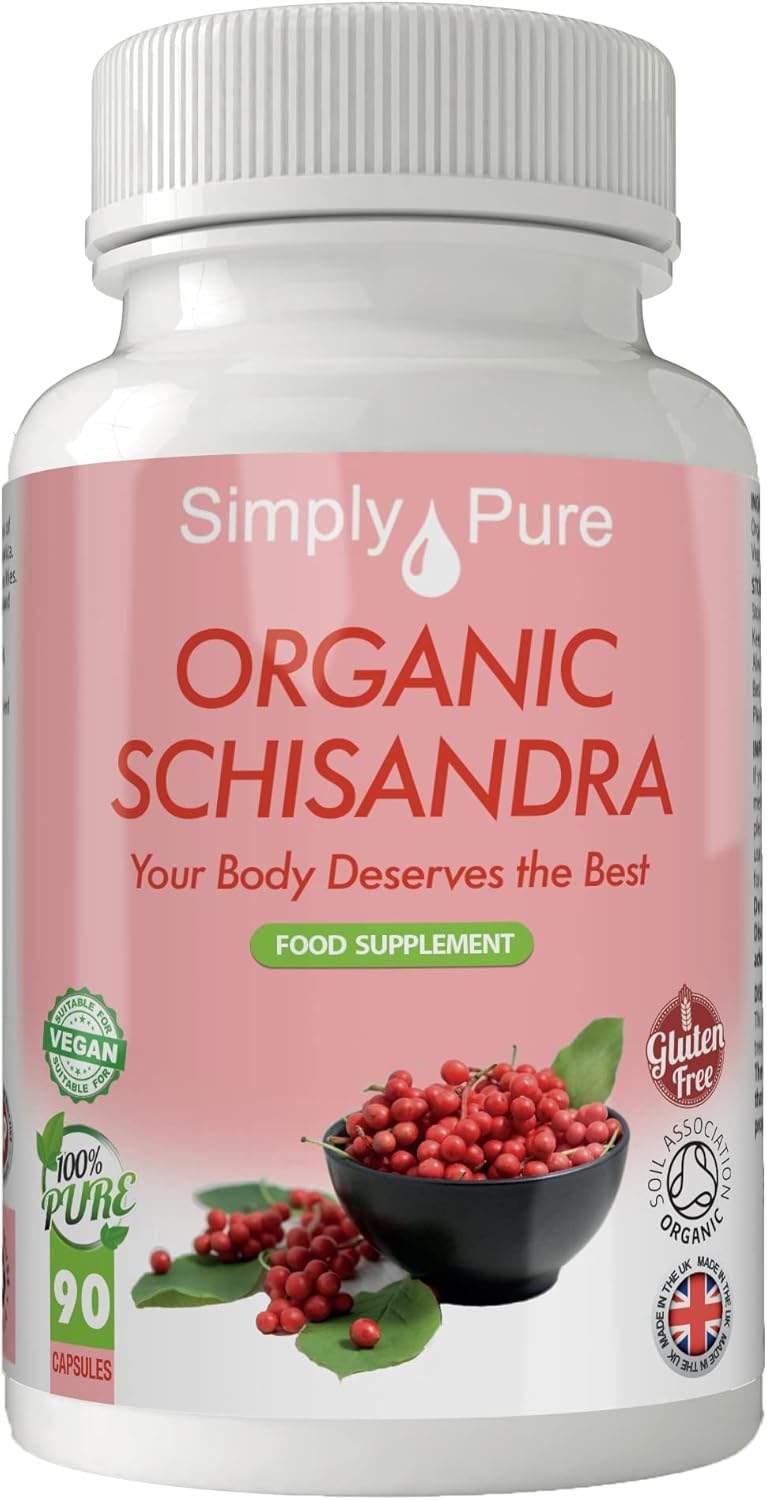
???? 7. Schisandra (Schisandra chinensis)
???? Background
Schisandra is a berry used in Traditional Chinese Medicine to boost vitality and endurance.
✨ Anti-Fatigue Properties
It supports mitochondrial function, liver detoxification, and stress adaptation, all crucial for chronic fatigue management (Panossian & Wikman, 2008).
???? Scientific Evidence
- A study in adults with chronic fatigue reported that Schisandra extract improved mental performance and reduced fatigue (Zhang et al., 2010).
- It also helps regulate adrenal and endocrine function, enhancing overall energy.
???? How to Use
- Available as dried berries, tea, or extract.
- Standardized extract: 500–1000 mg daily.
???? Safety and Precautions
- Always consult a healthcare professional, especially if taking prescription medications.
- Start with low doses, gradually increasing as tolerated.
- Some herbs (e.g., licorice root) can raise blood pressure if used long-term.
- Use herbs as adjuncts, not substitutes for medical treatment or lifestyle interventions.
???? Conclusion
Chronic fatigue can be debilitating, but nature provides a rich toolkit of herbs to restore energy, reduce stress, and support overall vitality. Herbs like ashwagandha, rhodiola, ginseng, licorice root, eleuthero, holy basil, and schisandra offer multiple mechanisms to combat fatigue, from adrenal support and antioxidant effects to improved mitochondrial function.
Incorporating these herbs ????—through teas, capsules, or extracts—can complement lifestyle changes like balanced diet, exercise, and proper sleep, creating a holistic approach to chronic fatigue treatment.
[The best natural herbs for chronic fatigue treatment]
???? Scientific References
- Armanini, D., et al. (2002). Effects of licorice on adrenal function and energy. Journal of Endocrinology.
- Auddy, B., et al. (2008). A standardized Withania somnifera extract improves cardiorespiratory endurance. Journal of the American Nutraceutical Association.
- Barton, D.L., et al. (2013). Panax ginseng for fatigue and physical performance: a systematic review. Journal of Alternative and Complementary Medicine.
- CDC. (2020). Chronic Fatigue Syndrome. Centers for Disease Control and Prevention.
- Choudhary, D., et al. (2015). Efficacy of Ashwagandha in chronic stress: a randomized trial. Indian Journal of Psychological Medicine.
- Cohen, M.M., et al. (2014). Tulsi: A herb for stress reduction and energy enhancement. Journal of Ayurveda and Integrative Medicine.
- Cooley, K., et al. (2009). Eleuthero for fatigue in elderly adults: a randomized trial. Phytotherapy Research.
- Darbinyan, V., et al. (2000). Rhodiola rosea in stress-induced fatigue. Phytomedicine.
- Fiore, C., et al. (2008). Anti-inflammatory properties of licorice root. Fitoterapia.
- Huang, B., et al. (2012). Adaptogenic effects of Eleuthero: a review. Phytotherapy Research.
- Kim, J.H., et al. (2013). Ginseng and energy metabolism: a systematic review. Journal of Ginseng Research.
- Panossian, A., & Wikman, G. (2008). Pharmacology of Schisandra chinensis. Phytotherapy Research.
- Panossian, A., & Wikman, G. (2010). Effects of Rhodiola rosea on stress and fatigue. Phytomedicine.
- Prakash, P., & Gupta, N. (2005). Therapeutic uses of Tulsi (Ocimum sanctum). Indian Journal of Physiology and Pharmacology.
- Reay, J.L., et al. (2005). Effects of Panax ginseng on cognitive performance. Human Psychopharmacology.
- Saxena, R., et al. (2012). Effects of Tulsi supplementation on stress-induced fatigue. Journal of Ayurveda and Integrative Medicine.
- Seely, D., et al. (2008). Eleuthero extract in academic stress. Phytotherapy Research.
- Spasov, A.A., et al. (2000). Rhodiola rosea reduces fatigue in chronic stress. Phytomedicine.
- Zhang, L., et al. (2010). Schisandra chinensis improves fatigue and mental performance. Journal of Ethnopharmacology.
[The best natural herbs for chronic fatigue treatment]