
???? The Best Herbs to Treat Nasal Polyps Naturally : The Absolute Guide
The Best Herbs to Treat Nasal Polyps Naturally: Nasal polyps are soft, noncancerous growths that form inside the nasal passages or sinuses due to chronic inflammation. They can cause symptoms such as congestion, loss of smell, frequent infections, sinus pressure, and difficulty breathing. While medical treatments like corticosteroid sprays and surgery are commonly used, many people prefer natural herbal approaches to reduce inflammation, shrink polyps, and support long-term sinus health.
This in-depth guide explores the best scientifically supported herbs for naturally managing nasal polyps, how they work, how to use them, and safety considerations. Every herb listed has research behind its anti-inflammatory, antimicrobial, or immune-modulating properties — all essential for reducing polyp growth and preventing recurrence.
???? What Causes Nasal Polyps?
Although the exact cause varies, nasal polyps are usually linked to long-term irritation and inflammation of the nasal mucosa. Common contributing factors include:
- Chronic sinusitis
- Allergies (dust, pollen, mold, pet dander)
- Asthma
- Aspirin-exacerbated respiratory disease (AERD)
- Fungal infections
- Environmental irritants
- Immune system dysregulation
When inflammation persists, the mucosal tissue swells and eventually forms soft, tear-drop-shaped polyps that can obstruct airflow.
Herbs can play an essential role by reducing inflammation, calming immune overreactions, clearing mucus, and improving sinus drainage.
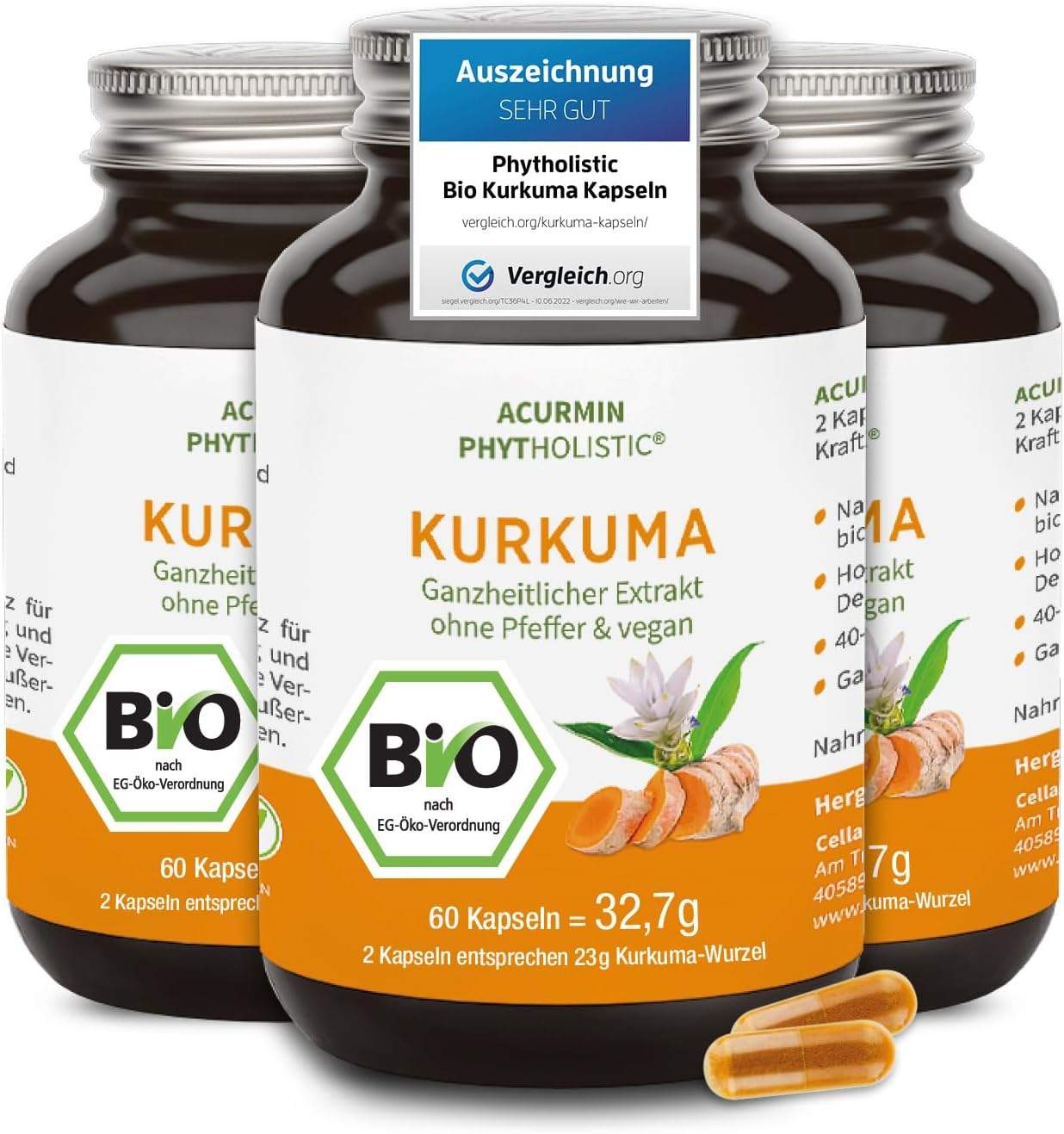
????BUY NOW THE HERBS ON AMAZON !
???? 1. Turmeric (Curcuma longa)
Powerful Anti-Inflammatory Herb for Nasal Polyps
Turmeric is one of the most widely studied herbs for inflammation. Its active compound, curcumin, inhibits inflammatory pathways such as NF-κB and COX-2, which are strongly involved in polyp formation.
How Turmeric Helps:
- Reduces swelling in nasal tissues
- Prevents chronic inflammation that stimulates polyp growth
- Acts as a natural antihistamine
- Supports immune balance
- Has mild antimicrobial effects
How to Use:
- Golden milk (daily)
- Curcumin capsules (standardized 95%)
- Turmeric powder added to food
- Steam inhalation with turmeric-infused water (light concentration to avoid irritation)
???? 2. Ginger (Zingiber officinale)
Anti-Inflammatory & Antimicrobial Root
Ginger contains potent compounds like gingerols and shogaols, known for reducing inflammation and breaking down excess mucus — both major contributors to nasal polyp symptoms.
Benefits for Nasal Polyps:
- Reduces mucus overproduction
- Helps shrink swollen nasal membranes
- Fights bacterial and viral infections
- Supports circulation and sinus drainage
How to Use:
- Ginger tea
- Fresh ginger shots
- Ginger capsules
- Steam inhalation with ginger water
Ginger works extremely well when combined with turmeric.
???? 3. Boswellia (Boswellia serrata)
Natural COX-2 Inhibitor for Polyp Inflammation
Boswellia, also known as Indian frankincense, is a powerful anti-inflammatory herb. Its boswellic acids block the 5-LOX enzyme pathway involved in chronic sinus inflammation.
Benefits:
- Reduces polyp size
- Improves airflow in the nasal passages
- Eases sinus pressure
- Helps prevent recurrence
Boswellia is also effective in people who have nasal polyps associated with asthma and allergies.
How to Use:
- Capsules (standardized to 65% boswellic acids)
- Boswellia tea
- Tincture drops
???? 4. Tea Tree Oil (Melaleuca alternifolia)
Potent Antifungal & Antibacterial Support
Although not a traditional herb to ingest, tea tree oil is extremely beneficial when used externally due to its strong antimicrobial properties. Fungal or bacterial infections often worsen nasal polyps, and tea tree oil can help manage these pathogens.
Benefits:
- Clears fungal spores in the sinuses
- Reduces bacterial biofilm formation
- Helps prevent infections that enlarge polyps
How to Use Safely:
- Add 1–2 drops to steaming water for steam inhalation
- Mix with a carrier oil (NEVER apply inside nostrils directly)
Tea tree oil must never be ingested.
???? 5. Goldenseal (Hydrastis canadensis)
Natural Antimicrobial Herb for Sinus Health
Goldenseal contains berberine, a compound with strong antibacterial, antiviral, and antifungal effects. It is especially effective for chronic sinus infections, which often trigger or worsen nasal polyps.
Benefits:
- Supports mucus membrane healing
- Reduces harmful microbes in the sinuses
- Decreases mucus production
- Helps clear blocked nasal passages
How to Use:
- Goldenseal nasal rinse (very diluted)
- Capsules
- Tea
- Tincture
???? 6. Nettle Leaf (Urtica dioica)
Natural Antihistamine for Allergy-Related Polyps
Many nasal polyps are driven by allergies. Nettle leaf is a natural antihistamine that helps limit allergic reactions without causing drowsiness.
Benefits:
- Reduces sneezing, itching, and congestion
- Lowers histamine response
- Reduces inflammation in nasal tissues
- Helps prevent polyp recurrence
How to Use:
- Nettle tea
- Capsules
- Freeze-dried nettle leaf supplements
???? 7. Eucalyptus (Eucalyptus globulus)
Exceptional for Sinus Drainage & Congestion
Eucalyptus contains eucalyptol, a compound that helps break down mucus, reduce inflammation, and improve airflow.
Benefits:
- Opens nasal passages
- Reduces swelling
- Clears mucus naturally
- Provides antibacterial protection
How to Use:
- Steam inhalation
- Eucalyptus-infused balms
- Diffuser oil
Never apply eucalyptus oil directly inside the nose.
???? 8. Peppermint (Mentha × piperita)
Refreshing Herb for Sinus Relief
Peppermint contains menthol, which activates cold receptors in the nose, improving airflow and reducing feelings of congestion.
Benefits:
- Relieves sinus pressure
- Opens airways
- Has mild antimicrobial activity
- Reduces irritation
How to Use:
- Peppermint tea
- Diffused peppermint oil
- Steam inhalation
- Peppermint lozenges
???? 9. Oregano Oil (Origanum vulgare)
Strong Natural Antimicrobial
Oregano oil contains carvacrol and thymol, making it one of the strongest natural antimicrobials. It is particularly helpful for stubborn sinus infections that contribute to polyp growth.
Benefits:
- Fights bacteria, viruses, and fungi
- Reduces inflammation
- Supports clearer breathing
- Helps prevent sinus reinfection
How to Use:
- Diluted oregano oil capsules
- Steam inhalation (1 drop only)
???? 10. Butterbur (Petasites hybridus)
For Allergy-Triggered Nasal Polyps
Butterbur is highly researched for allergic rhinitis, which often leads to chronic inflammation and nasal polyps.
Benefits:
- Reduces nasal inflammation
- Improves airflow
- Decreases histamine response
- Supports long-term sinus comfort
Choose PA-free butterbur only to avoid harmful alkaloids.
???? Best Herbal Combinations for Faster Results
✔ Turmeric + Ginger
A powerful anti-inflammatory duo that reduces swelling and mucus.
✔ Goldenseal + Oregano Oil
Targets bacterial and fungal contributors to polyp formation.
✔ Nettle Leaf + Butterbur
Calms allergy-induced inflammation.
✔ Eucalyptus + Peppermint
Opens airways and improves breathing immediately.
???? How Long Does It Take for Herbs to Work?
Most people begin noticing improvements in:
- 1–2 weeks: better breathing, less congestion
- 4–6 weeks: reduced inflammation and mucus
- 8–12 weeks: reduction in polyp size
For chronic cases, long-term consistency is essential.
???? Safety & Precautions
- Always follow recommended dosages.
- Do not insert essential oils directly into the nose.
- If you have asthma or allergies, introduce herbs slowly.
- Pregnant or breastfeeding individuals should consult a professional.
- Herbs can complement — not replace — medical treatment when necessary.
???? Conclusion
Herbs offer a powerful natural approach to reducing nasal polyp inflammation, clearing mucus, supporting immunity, and minimizing recurrence. By combining anti-inflammatory, antihistamine, and antimicrobial herbs, you can support long-term sinus health effectively and safely.
When used consistently, these herbs may significantly improve breathing, comfort, and quality of life — especially for people seeking natural alternatives to steroid sprays or repeated surgeries.
???? Scientific References
- Bachert C., et al. “Pathophysiology of Chronic Rhinosinusitis and Nasal Polyps.” Allergy, 2014.
- Hewlings S., Kalman D. “Curcumin: A Review of Its Effects on Human Health.” Foods, 2017.
- Grzanna R., et al. “Ginger—An Herbal Medicinal Product with Broad Anti-Inflammatory Actions.” J Med Food, 2005.
- Ammon H.P. “Boswellic Acids in Inflammation.” Planta Medica, 2006.
- Tisserand R., Young R. Essential Oil Safety, 2014.
- Predy G., et al. “Efficacy of Eucalyptus Oil in Upper Respiratory Conditions.” Resp Med, 2005.
- Mittman P. “Randomized, Double-Blind Trial of Freeze-Dried Stinging Nettle Leaf.” Planta Medica, 1990.
- Lau B., et al. “Antimicrobial Properties of Oregano Oil.” J Appl Microbiol, 2019.
- Schäfer T., et al. “Butterbur Extract for Allergic Rhinitis.” BMJ, 2002.