
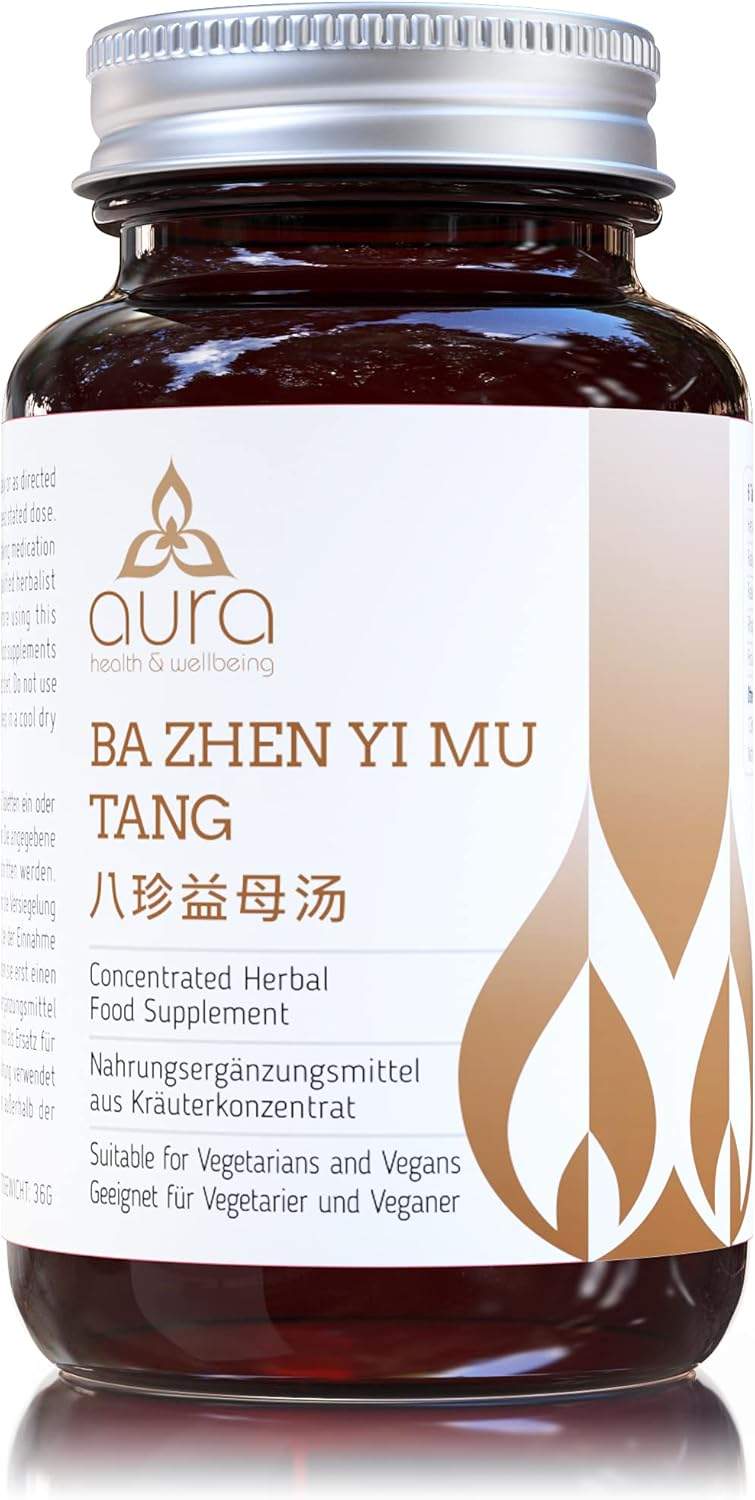
⭐ Discover the Best 10 Herbs for Heart Health: Science-Backed Natural Allies
✅ Introduction
Discover the best 10 herbs for heart health: Heart disease remains the leading cause of death worldwide, with cardiovascular conditions such as coronary artery disease, hypertension, arrhythmias, and heart failure affecting millions of people every year (World Health Organization, 2023). While conventional medicine provides powerful treatments, many people are increasingly turning toward natural remedies and herbs to complement their heart health strategies.
Herbal medicine has been used for centuries to improve circulation, regulate blood pressure, and reduce inflammation. Today, modern science is beginning to validate these traditional uses, showing that specific herbs contain bioactive compounds that can support cardiovascular health.
In this comprehensive article, we will explore the 10 best herbs for heart health, their mechanisms of action, how to use them safely, and what the scientific literature says about their effectiveness.
⭐ Why Herbs Matter for Heart Health
Before diving into the list, it’s important to understand why herbs can play such a powerful role in cardiovascular well-being.
- Rich in Antioxidants: Many herbs contain flavonoids, polyphenols, and carotenoids that fight oxidative stress, a major contributor to heart disease (Kris-Etherton et al., Circulation, 2002).
- Anti-inflammatory Properties: Chronic inflammation damages arteries and leads to plaque buildup; herbs like turmeric and garlic reduce this process.
- Blood Pressure Regulation: Certain herbs naturally relax blood vessels and improve circulation.
- Cholesterol and Lipid Balance: Some plants help lower LDL (“bad cholesterol”) and raise HDL (“good cholesterol”).
Now, let’s discover the top 10 heart-friendly herbs backed by both tradition and research.
✅CLICK HERE TO SEE A UNIQUE COLLECTION OF THE BEST HERBS FOR HEART HEALTH !
⭐ 1. Garlic (Allium sativum)
Garlic is one of the most studied herbs for cardiovascular health.
Benefits
- Reduces total and LDL cholesterol levels.
- Lowers blood pressure.
- Improves arterial flexibility.
Scientific Evidence
A meta-analysis published in Nutrition (2016) showed that garlic supplementation significantly reduces both systolic and diastolic blood pressure in hypertensive patients. Another review in the Journal of Nutrition (2016) highlighted garlic’s ability to lower cholesterol levels and prevent atherosclerosis.
How to Use
- Fresh garlic cloves daily.
- Aged garlic extract capsules.
⭐ 2. Hawthorn (Crataegus monogyna)
Hawthorn berries and leaves have been used for centuries in European herbal medicine for heart-related conditions.
Benefits
- Strengthens heart muscle contractions.
- Enhances blood flow.
- Reduces symptoms of angina and heart failure.
Scientific Evidence
A review in Cochrane Database of Systematic Reviews (2008) concluded that hawthorn extract improves exercise tolerance and reduces symptoms in patients with chronic heart failure.
How to Use
- Standardized hawthorn extract supplements.
- Hawthorn berry tea.
⭐ 3. Turmeric (Curcuma longa)
Turmeric contains the active compound curcumin, a powerful anti-inflammatory and antioxidant.
Benefits
- Reduces arterial inflammation.
- Prevents plaque buildup.
- Improves endothelial function (the inner lining of blood vessels).
Scientific Evidence
A study in the American Journal of Hypertension (2012) found that curcumin supplementation improves vascular endothelial function, which is crucial for preventing heart disease.
How to Use
- Turmeric powder in meals.
- Curcumin capsules (with black pepper for better absorption).
⭐ 4. Green Tea (Camellia sinensis)
Green tea is rich in catechins, which protect the cardiovascular system.
Benefits
- Lowers LDL cholesterol.
- Enhances circulation.
- Provides powerful antioxidant effects.
Scientific Evidence
A large population study in JAMA (2006) found that green tea consumption was associated with reduced mortality from cardiovascular disease in Japanese adults.
How to Use
- Drink 2–3 cups daily.
- Green tea extract supplements.
⭐ 5. Ginger (Zingiber officinale)
Ginger is widely known for its anti-inflammatory and circulation-boosting properties.
Benefits
- Improves blood circulation.
- Reduces cholesterol and triglycerides.
- Prevents platelet aggregation (blood clotting).
Scientific Evidence
A study in Nutrition (2000) demonstrated that ginger extract lowered cholesterol levels and prevented atherosclerosis in animal models. Human trials suggest similar effects.
How to Use
- Fresh ginger in teas or meals.
- Standardized ginger extract supplements.
⭐ 6. Ginkgo Biloba
One of the oldest living tree species, Ginkgo biloba has been used in Traditional Chinese Medicine for centuries.
Benefits
- Improves blood circulation.
- Reduces oxidative stress in blood vessels.
- May support healthy blood pressure.
Scientific Evidence
Research in Current Pharmaceutical Design (2012) highlighted Ginkgo biloba’s role in improving endothelial function and circulation.
How to Use
- Ginkgo biloba leaf extract (standardized to 24% flavone glycosides).
⭐ 7. Cinnamon (Cinnamomum verum)
Cinnamon is a warming spice with cardiovascular benefits.
Benefits
- Lowers fasting blood glucose.
- Reduces LDL cholesterol and triglycerides.
- Supports healthy blood pressure.
Scientific Evidence
A meta-analysis in Annals of Family Medicine (2013) showed that cinnamon supplementation significantly reduces fasting blood glucose, LDL cholesterol, and triglycerides—factors closely linked to heart disease.
How to Use
- Add cinnamon to oatmeal, smoothies, or teas.
- Cinnamon capsules (Ceylon cinnamon preferred over Cassia).
⭐ 8. Roselle (Hibiscus sabdariffa)
Hibiscus tea, also known as Roselle, is a refreshing herbal remedy for blood pressure control.
Benefits
- Lowers systolic and diastolic blood pressure.
- Rich in anthocyanins with antioxidant effects.
Scientific Evidence
A randomized clinical trial in the Journal of Nutrition (2010) found that hibiscus tea significantly reduced blood pressure in pre-hypertensive and mildly hypertensive adults.
How to Use
- Drink hibiscus tea daily.
- Hibiscus extract supplements.
⭐ 9. Motherwort (Leonurus cardiaca)
Motherwort is traditionally used as a heart tonic, especially for palpitations and anxiety-related heart symptoms.
Benefits
- Calms heart palpitations.
- Reduces blood pressure.
- Provides mild anti-anxiety effects.
Scientific Evidence
Studies in Phytomedicine (2003) indicate that motherwort exhibits hypotensive and antiarrhythmic effects, supporting cardiovascular health.
How to Use
- Motherwort tincture.
- Herbal tea blends.
⭐ 10. Flaxseed (Linum usitatissimum)
Flaxseeds are not only a superfood but also a potent cardiovascular protector.
Benefits
- Rich in omega-3 fatty acids (ALA).
- Lowers cholesterol levels.
- Reduces arterial inflammation.
Scientific Evidence
A review in the Canadian Journal of Cardiology (2010) concluded that flaxseed supplementation reduces total cholesterol and improves arterial health.
How to Use
- Ground flaxseeds in smoothies or oatmeal.
- Flaxseed oil supplements.
⭐ How to Safely Use Herbs for Heart Health
- Always consult a doctor before combining herbs with heart medications (e.g., blood thinners, beta-blockers).
- Start with small doses to test tolerance.
- Prefer standardized extracts when available.
- Combine herbs with lifestyle changes: balanced diet, exercise, stress management.
⚠️ Safety Precautions
While herbs are natural, they are not risk-free.
- Garlic and ginger may increase bleeding risk if taken with anticoagulants.
- Hawthorn may interact with digoxin.
- Ginkgo can increase bleeding risk.
- Always discuss herbal supplementation with a healthcare provider.
✅ Conclusion
Nature provides a rich arsenal of heart-supporting herbs that have been used for centuries and are now validated by modern science. Garlic, hawthorn, turmeric, green tea, ginger, ginkgo, cinnamon, hibiscus, motherwort, and flaxseed all play unique roles in promoting cardiovascular well-being.
By incorporating these herbs into a balanced lifestyle, individuals can support healthy blood pressure, cholesterol, and circulation, while reducing inflammation and oxidative stress.
[Discover the best 10 herbs for heart health ]
⭐ Scientific References
- Ried K. (2016). Garlic lowers blood pressure in hypertensive individuals. Nutrition.
- Pittler MH, Schmidt K. (2008). Hawthorn extract for treating chronic heart failure. Cochrane Database Syst Rev.
- Yang Y, et al. (2012). Curcumin improves endothelial function. Am J Hypertens.
- Kuriyama S, et al. (2006). Green tea consumption and mortality. JAMA.
- Fuhrman B, et al. (2000). Hypolipidemic effect of ginger. Nutrition.
- Choi J, et al. (2012). Ginkgo biloba and vascular health. Curr Pharm Des.
- Allen RW, et al. (2013). Cinnamon intake lowers blood glucose and lipids. Ann Fam Med.
- McKay DL, et al. (2010). Hibiscus tea and blood pressure. J Nutr.
- Wojcicki J, et al. (2003). Motherwort and cardiovascular activity. Phytomedicine.
- Prasad K. (2010). Flaxseed and cardiovascular disease. Can J Cardiol.