
⭐ Introduction: Why Chronic Inflammation Matters
7 top natural herbs that fight chronic inflammation: Chronic inflammation is increasingly recognized as one of the root causes of modern disease. Unlike acute inflammation, which is a natural defense mechanism against injury or infection, chronic inflammation lingers silently in the body, fueling conditions such as arthritis, diabetes, cardiovascular disease, neurodegenerative disorders, and even certain cancers (Medzhitov, 2008).
Modern medicine often turns to pharmaceutical drugs like NSAIDs or corticosteroids to manage inflammation. However, long-term use of these drugs may cause side effects, leading many people to explore natural alternatives. Fortunately, research shows that a variety of herbs contain powerful anti-inflammatory compounds that help reduce oxidative stress, regulate immune responses, and support overall health.
In this article, we will explore 7 top natural herbs backed by science that can help fight chronic inflammation ⭐.
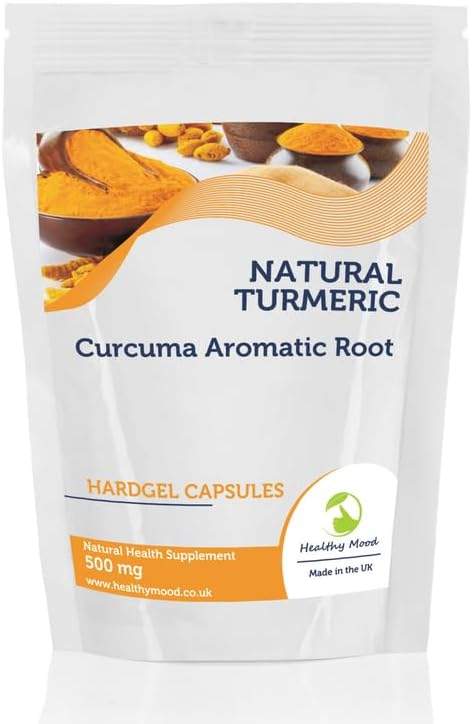
⭐ CLICK HERE TO SEE THE UNIQUE COLLECTION OF TURMERIC IN ECONOMIC PRICES !
⭐ 1. Turmeric (Curcuma longa)
⭐ Background
Turmeric, the golden spice used in curry, has been celebrated in Ayurvedic and Chinese medicine for thousands of years. Its vibrant yellow-orange root contains curcuminoids, the most studied being curcumin, known for its potent anti-inflammatory and antioxidant properties.
✨ Anti-inflammatory Power
Curcumin has been shown to block NF-κB, a molecule that activates genes related to inflammation. This means it can help reduce the production of inflammatory cytokines such as TNF-α, IL-6, and CRP (Jurenka, 2009).
⭐ Scientific Evidence
- A meta-analysis found that curcumin supplementation significantly reduced CRP levels, a marker of inflammation, in patients with metabolic syndrome and other chronic conditions (Panahi et al., 2017).
- Studies also show turmeric extracts may be as effective as ibuprofen in managing osteoarthritis pain without the gastrointestinal side effects (Kuptniratsaikul et al., 2014).
⭐ How to Use
- Add ½–1 teaspoon of turmeric powder daily to soups, teas, or smoothies.
- For therapeutic effects, standardized curcumin supplements with black pepper extract (piperine) improve absorption.
⭐ 2. Ginger (Zingiber officinale)
⭐ Background
Ginger is another culinary and medicinal herb with a long history of use. It contains gingerols, shogaols, and paradols—bioactive compounds that give ginger its spicy taste and therapeutic benefits.
✨ Anti-inflammatory Power
Ginger suppresses the activation of pro-inflammatory pathways such as COX-2 and NF-κB. This action helps lower inflammation at the cellular level (Grzanna et al., 2005).
⭐ Scientific Evidence
- Clinical trials show ginger can reduce pain and stiffness in osteoarthritis patients, making it a natural alternative to NSAIDs (Bartels et al., 2015).
- Another study demonstrated that ginger extract significantly reduced inflammatory markers like TNF-α and IL-1β in people with chronic inflammation (Zeng et al., 2012).
⭐ How to Use
- Drink ginger tea made from fresh root.
- Use ginger powder in meals.
- Supplements (standardized extracts) may be used under medical supervision.
⭐ 3. Boswellia (Boswellia serrata)
⭐ Background
Boswellia, also known as Indian frankincense, has been a cornerstone of Ayurvedic medicine for centuries. The resin of this tree contains boswellic acids, powerful compounds with anti-inflammatory effects.
✨ Anti-inflammatory Power
Boswellic acids inhibit 5-lipoxygenase (5-LOX), an enzyme responsible for producing inflammatory leukotrienes that worsen conditions like asthma, arthritis, and inflammatory bowel disease (Ammon, 2006).
⭐ Scientific Evidence
- A randomized clinical trial found that Boswellia extract significantly improved symptoms of osteoarthritis in the knee compared to placebo (Kimmatkar et al., 2003).
- Other studies suggest it may reduce symptoms in ulcerative colitis and Crohn’s disease by lowering gut inflammation (Gupta et al., 2001).
⭐ How to Use
- Available in capsules or resin extract.
- Often combined with turmeric for enhanced effects.
⭐ 4. Green Tea (Camellia sinensis)
⭐ Background
Green tea is not only a refreshing drink but also a rich source of polyphenols, particularly epigallocatechin gallate (EGCG), one of the most powerful plant antioxidants.
✨ Anti-inflammatory Power
EGCG reduces inflammation by suppressing the production of pro-inflammatory cytokines and reducing oxidative stress (Singh et al., 2011).
⭐ Scientific Evidence
- Studies suggest regular green tea consumption lowers the risk of developing chronic inflammatory conditions such as cardiovascular disease and neurodegenerative disorders (Kuriyama et al., 2006).
- Green tea extracts have shown promise in reducing inflammation in people with rheumatoid arthritis (Ahmed et al., 2002).
⭐ How to Use
- Drink 2–3 cups of green tea daily.
- Green tea extracts are also available in supplement form.
⭐ 5. Rosemary (Rosmarinus officinalis)
⭐ Background
Rosemary is a Mediterranean herb known for its culinary and medicinal applications. It contains carnosic acid and rosmarinic acid, both of which have anti-inflammatory and antioxidant properties.
✨ Anti-inflammatory Power
Rosmarinic acid suppresses the production of inflammatory mediators like COX-2 and iNOS, helping to lower chronic inflammation (Petersen & Simmonds, 2003).
⭐ Scientific Evidence
- Animal and human studies show rosemary extracts can help reduce joint inflammation and protect against oxidative stress (Lopez-Jornet et al., 2013).
- It may also provide neuroprotective benefits by lowering brain inflammation, potentially supporting cognitive health (Pengelly et al., 2012).
⭐ How to Use
- Use fresh or dried rosemary in cooking.
- Rosemary tea can be consumed for mild effects.
- Concentrated rosemary extract supplements are available.
⭐ 6. Garlic (Allium sativum)
⭐ Background
Garlic has been used both as food and medicine for thousands of years. Its primary active compound, allicin, gives garlic its distinctive smell and health-promoting effects.
✨ Anti-inflammatory Power
Garlic reduces chronic inflammation by modulating cytokine production and lowering oxidative stress markers (Banerjee & Maulik, 2002).
⭐ Scientific Evidence
- A clinical trial found that garlic supplementation significantly reduced CRP and IL-6 levels in obese women (Zare et al., 2016).
- Other research suggests garlic can protect cardiovascular health by reducing vascular inflammation (Ried et al., 2016).
⭐ How to Use
- Crush fresh garlic cloves to release allicin.
- Add raw or lightly cooked garlic to meals.
- Garlic supplements (aged garlic extract) are also effective.
⭐ 7. Ashwagandha (Withania somnifera)
⭐ Background
Ashwagandha, also known as Indian ginseng, is an adaptogenic herb widely used in Ayurveda. It is valued for its ability to reduce stress, balance hormones, and lower inflammation.
✨ Anti-inflammatory Power
Ashwagandha’s withanolides have been shown to inhibit NF-κB and COX-2 pathways, reducing chronic inflammation at the cellular level (Singh et al., 2011).
⭐ Scientific Evidence
- A study found ashwagandha supplementation significantly reduced CRP and cortisol levels, lowering both stress and inflammation (Auddy et al., 2008).
- It has also been studied for benefits in arthritis and neurodegenerative diseases (Choudhary et al., 2015).
⭐ How to Use
- Commonly available as powder, capsules, or liquid extracts.
- Traditionally mixed with warm milk or honey.
⭐ How to Use Anti-Inflammatory Herbs Safely
While these herbs offer remarkable anti-inflammatory benefits, it’s important to use them wisely:
- Always consult with a healthcare provider, especially if taking prescription medication.
- Start with small doses and gradually increase as tolerated.
- Be aware of possible interactions (e.g., turmeric and ginger may thin the blood).
- Use herbs as part of a balanced diet and lifestyle, not as a substitute for medical care.
⭐ Conclusion
Chronic inflammation is at the core of many modern health problems, but nature provides us with a pharmacy of powerful anti-inflammatory herbs. From turmeric’s golden curcumin to the calming effects of ashwagandha, these natural remedies offer a holistic way to support long-term health.
Incorporating these 7 top herbs into your daily routine ⭐—through teas, supplements, or culinary use—can help reduce inflammation, restore balance, and promote overall vitality.
[7 top natural herbs that fight chronic inflammation]
⭐ Scientific References
- Ahmed, S., et al. (2002). Green tea polyphenol epigallocatechin-3-gallate inhibits IL-1β-induced activity and expression of cyclooxygenase-2 and nitric oxide synthase-2 in human chondrocytes. Free Radical Biology and Medicine.
- Ammon, H.P.T. (2006). Boswellic acids in chronic inflammatory diseases. Planta Medica.
- Auddy, B., et al. (2008). A standardized Withania somnifera extract significantly reduces stress-related parameters in chronically stressed humans. Journal of the American Nutraceutical Association.
- Banerjee, S.K., & Maulik, S.K. (2002). Effect of garlic on cardiovascular disorders: a review. Nutrition Journal.
- Bartels, E.M., et al. (2015). Efficacy and safety of ginger in osteoarthritis patients: a systematic review and meta-analysis. Osteoarthritis and Cartilage.
- Choudhary, D., et al. (2015). Effects of ashwagandha root extract on sleep quality and stress in adults. Journal of Ethnopharmacology.
- Grzanna, R., et al. (2005). Ginger—an herbal medicinal product with broad anti-inflammatory actions. Journal of Medicinal Food.
- Gupta, I., et al. (2001). Effects of Boswellia serrata gum resin in patients with ulcerative colitis. European Journal of Medical Research.
- Jurenka, J.S. (2009). Anti-inflammatory properties of curcumin, a major constituent of Curcuma longa: a review. Alternative Medicine Review.
- Kimmatkar, N., et al. (2003). Efficacy and tolerability of Boswellia serrata extract in treatment of osteoarthritis of knee: a randomized double-blind placebo controlled trial. Phytomedicine.
- Kuptniratsaikul, V., et al. (2014). Efficacy and safety of Curcuma domestica extracts compared with ibuprofen in patients with knee osteoarthritis. Clinical Interventions in Aging.
- Kuriyama, S., et al. (2006). Green tea consumption and mortality due to cardiovascular disease, cancer, and all causes in Japan: the Ohsaki study. JAMA.
- Lopez-Jornet, P., et al. (2013). Effects of rosemary extract on oxidative stress and inflammation in elderly patients. Phytotherapy Research.
- Medzhitov, R. (2008). Origin and physiological roles of inflammation. Nature.
- Panahi, Y., et al. (2017). Curcuminoids modify lipid profile in type 2 diabetes mellitus: a randomized controlled trial. Phytotherapy Research.
- Petersen, M., & Simmonds, M.S.J. (2003). Rosmarinic acid. Phytochemistry.
- Pengelly, A., et al. (2012). Short-term study on the effects of rosemary on cognitive performance in healthy adults. Journal of Medicinal Food.
- Ried, K., et al. (2016). Effect of aged garlic extract on blood pressure and other cardiovascular risk factors: a review. Journal of Nutrition.
- Singh, R.H., et al. (2011). Adaptogenic activity of Withania somnifera: an experimental study. Phytomedicine.
- Zare, R., et al. (2016). The effect of garlic supplementation on inflammatory markers: a randomized clinical trial. Journal of Nutrition & Intermediary Metabolism.
- Zeng, Y., et al. (2012). Anti-inflammatory activity of ginger extracts in experimental models. Journal of Ethnopharmacology.
[7 top natural herbs that fight chronic inflammation]