
???? Understanding Gastritis: The absolute guide
6 top natural herbs for gastritis treatment: Gastritis refers to inflammation of the stomach lining (gastric mucosa). It can present as acute (sudden onset) or chronic (long-standing) and may be caused by factors such as excessive alcohol use, chronic use of non-steroidal anti-inflammatory drugs (NSAIDs), infection with Helicobacter pylori, bile reflux, stress, autoimmune conditions, or dietary/lifestyle triggers. The inflamed gastric mucosa may become irritated, eroded or ulcerated, leading to symptoms such as burning pain in the upper abdomen, nausea, bloating, loss of appetite and in some cases bleeding.
Because the stomach lining is continually exposed to acid, pepsin, and digestive enzymes, protecting, soothing and regenerating the mucosa form key goals in gastritis management. Alongside conventional medical treatments (acid-suppressants, antibiotics if H. pylori is present, lifestyle/diet modifications), interest has grown in the use of natural herbal remedies that may support the gastric mucosa, reduce inflammation, enhance healing, combat H. pylori and improve overall digestive comfort.
???? How Herbs Can Help in Gastritis
Herbal remedies may contribute beneficially in gastritis through several mechanisms:
- Demulcent / mucosal-protective activity: Certain herbs produce mucilage (gel-like substances) that coat the gastric lining, reducing irritation from acid/pepsin, helping soothe the inflamed mucosa.
- Anti-inflammatory & antioxidant effects: Inflammation plays a key role in gastritis; herbs with flavonoids, phenols and other active compounds may reduce cytokine release, oxidative stress, and help support healing of the mucosa.
- Antimicrobial / anti-H. pylori support: Since H. pylori infection is a major cause of chronic gastritis (and gastric ulcers), herbs that inhibit H. pylori growth or urease activity may provide adjunctive benefit.
- Spasmolytic / carminative / pro-motility actions: Some herbs help reduce gastric spasms, relieve bloating and improve gastric dynamics, indirectly reducing gastritis symptoms.
- Barrier repair & supportive action: By improving mucin secretion or gastric blood flow, certain herbs may enhance mucosal repair and resilience.
While herbs cannot replace necessary medical interventions in moderate-to-severe gastritis (especially when complications such as bleeding or H. pylori are present), they may serve as useful adjunctive support when combined with lifestyle, diet and medical care.
???? Top 6 Natural Herbs for Gastritis Treatment
Below are six well-known herbs with potential benefit in gastritis — along with how they work, how you might use them (in a supportive capacity), and cautionary notes. Each section is prefaced with a “leaf” metaphor to reflect the herb.
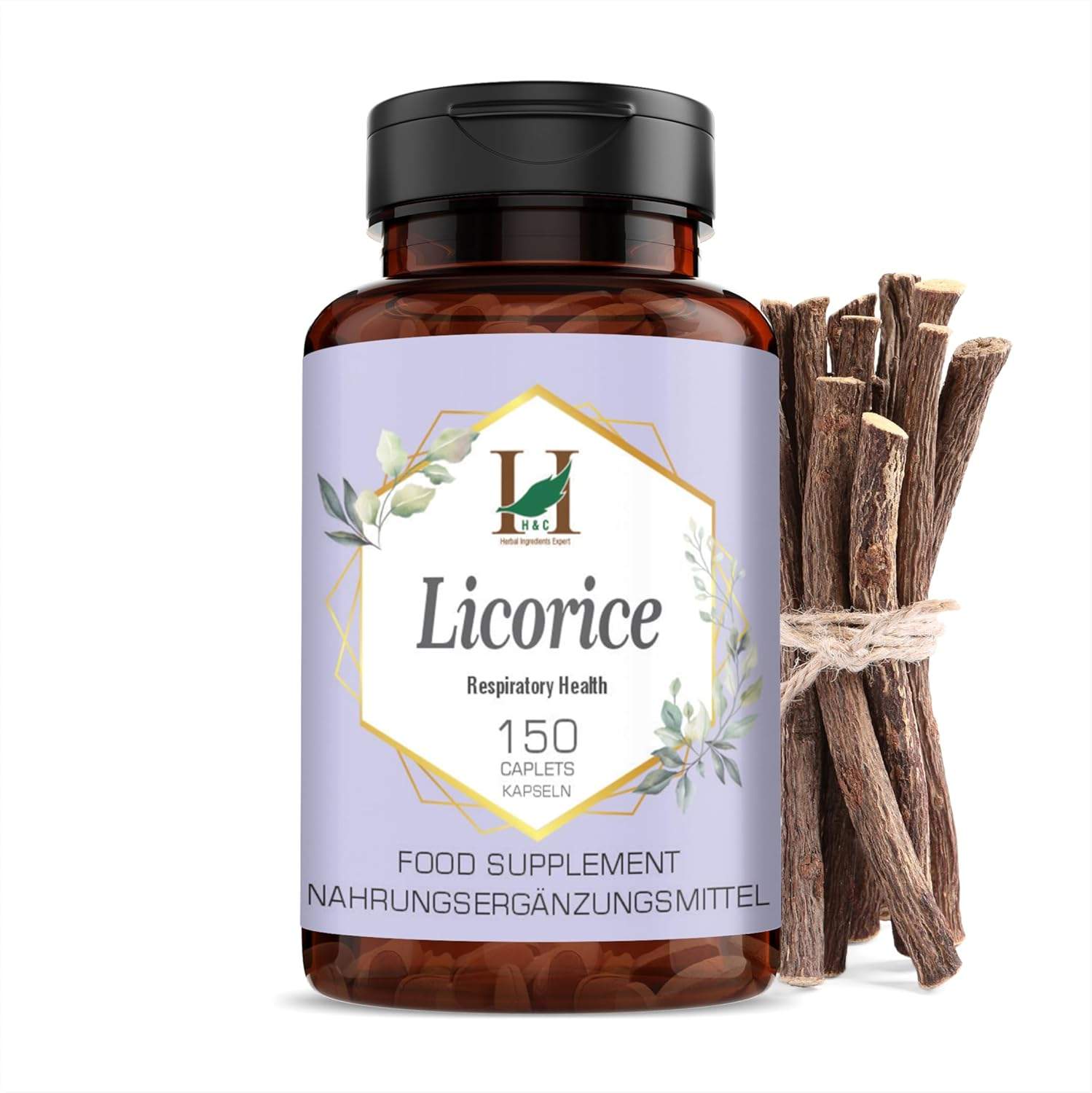
???? 1. Licorice (Glycyrrhiza glabra)
Why: Licorice root (particularly deglycyrrhizinated licorice, DGL) has long been used to soothe gastric irritation and support mucosal healing. It contains flavonoids which may inhibit H. pylori in vitro and stimulate mucin production in the gastric lining. (MDPI)
How to use: Choose a DGL chewable tablet (which removes the glycyrrhizin that can raise blood pressure). Take about 380 mg DGL 20 minutes before meals, 2-3 times daily, as a supportive measure. Use for several weeks while monitoring blood pressure and potassium (especially if you have hypertension).
Cautions: Standard licorice (with glycyrrhizin) may cause fluid retention, elevated blood pressure, hypokalemia; avoid if uncontrolled hypertension, heart failure or pregnancy. Always discuss with your healthcare provider before starting.
???? 2. Chamomile (Matricaria chamomilla)
Why: Chamomile flower has antispasmodic, anti‐inflammatory and soothing properties for the gastrointestinal tract. It may calm gastric mucosal irritation and reduce spasms or dyspeptic discomfort. (Karger Publishers)
How to use: Brew chamomile tea (1-2 g flower heads) and drink 1-2 cups per day, ideally after meals, to help reduce gastric discomfort and support healing. Combine with other soothing herbs for greater effect.
Cautions: Rare allergic reactions (especially in those with ragweed allergy). Avoid strong oils or concentrations near the stomach unless under supervision.
???? 3. Ginger (Zingiber officinale)
Why: Ginger has been studied for its anti‐inflammatory and antibacterial activity (including against H. pylori) and may help in gastritis by reducing inflammation and microbial load. In cell and animal studies it inhibited H. pylori growth and reduced NF-κB activation in infected gastric epithelial cells. (PubMed) Another study found ginger powder supplementation achieved ~53% H. pylori eradication in a small pilot. (PubMed)
How to use: Incorporate fresh or dried ginger into meals, or take ginger powder/capsule 1-2 g daily (divided doses). Ginger tea (fresh slices steeped) can be an adjunct supportive remedy.
Cautions: High doses may increase gastric acid or trigger reflux in sensitive individuals. Use caution if taking anticoagulants (ginger has mild blood-thinning effect) or if pregnant (moderate use only).
???? 4. Marshmallow Root (Althaea officinalis)
Why: Marshmallow root is rich in mucilage polysaccharides, forming a soothing coating over the mucous membranes (including gastric lining). It has been traditionally used for gastritis and peptic ulcers. (peacehealth.org)
How to use: Use marshmallow root as a tea or powder: for example 1–2 teaspoons of dried root steeped in hot water, taken 2–3 times daily between meals. Use as a gentle supportive remedy for mucosal protection and soothing.
Cautions: Because the mucilage coats membranes, avoid combining immediately with medications that require absorption (allow 1–2 hours). In general, low risk but always review with your provider.
???? 5. Slippery Elm (Ulmus rubra)
Why: The inner bark of slippery elm contains mucilage that absorbs water and forms a viscous gel that coats mucous membranes, soothing gastric irritation and protecting the stomach lining. Traditional use and some preclinical support exist. (PMC)
How to use: Take 1 teaspoon of powdered inner bark mixed with warm water (makes a gel) 30 minutes before meals or at bedtime, up to 2-3 times daily, for a period of 4-8 weeks.
Cautions: Although used traditionally, human clinical evidence for gastritis is limited. Also avoid ingestion of outer bark (less effective). If using other oral medications, take separated by 1 hour to avoid coating interfering with absorption.
???? 6. Turmeric (Curcuma longa)
Why: Turmeric’s active component curcumin has demonstrated anti‐inflammatory, antioxidant and mucosal‐protective effects in gastrointestinal models, including healing of ulcers, reducing oxidative stress in the stomach lining, and inhibition of H. pylori in preliminary studies. (naturallysue.com)
How to use: Use turmeric powder (½-1 teaspoon) added to meals, or standardized curcumin supplements (e.g., 500mg twice daily). Combine with a fat source (like olive oil) and black pepper (piperine) to enhance absorption. Use for 4–8 weeks as an adjunct.
Cautions: May interact with blood-thinners, antiplatelet drugs, and gallbladder disease. Also high doses may cause GI upset in sensitive persons. Always consult with your healthcare provider.
???? How to Incorporate These Herbs into a Gastritis Support Routine
Routine suggestions:
- Start with dietary and lifestyle foundations: avoid NSAIDs (unless medically necessary), reduce alcohol, spicy/irritant foods, caffeine, and manage H. pylori or bile reflux if present.
- Choose one or two herbal approaches initially (e.g., licorice DGL + chamomile tea), and monitor symptoms over 4–6 weeks.
- For herbs with mucilage/coating action (marshmallow, slippery elm), take separate from other medications (1-2 hours) to avoid interfering with absorption.
- For anti-inflammatory/anti-H. pylori herbs (ginger, turmeric), integrate into meals or take standardized extracts.
- Emphasize consistent use: for example, ginger or turmeric daily, marshmallow/slippery elm 2-3× daily when symptomatic, chamomile tea twice daily, licorice DGL before meals.
- Monitor symptoms (pain, burning, nausea, bloating) and if symptoms worsen or bleeding occurs (black stools, vomiting blood), seek medical care immediately.
- Use for at least 4-8 weeks to assess benefit. If after this period there is little improvement, further medical investigation is needed (endoscopy, H. pylori testing, imaging).
- Always coordinate with your healthcare provider, especially if you have other conditions (hypertension, heart disease, pregnancy, taking multiple medications) or if you are using conventional therapies.
⚠️ Important Considerations & Safety
- Not a substitute for medical care: If gastritis is moderate-to-severe (bleeding, ulceration, H. pylori infection, structural damage), herbs alone are not sufficient.
- Quality of herbs and extracts matters: Use high-quality, standardized products or trusted herbal teas.
- Drug interactions: Herbs like licorice (can raise blood pressure), turmeric/ginger (affect clotting) may interact with medications.
- Allergic reactions: Chamomile and others may trigger allergy in pollen-sensitive individuals.
- Separation from medications: Mucilage‐rich herbs (marshmallow, slippery elm) may inhibit absorption of other oral drugs if taken at same time.
- Lifestyle remains critical: Eliminate or reduce triggers (alcohol, NSAIDs, smoking, stress, spicy foods), ensure adequate nutrition, avoid excessive acid/pepsin exposure.
- Symptoms that require urgent care: Persistent vomiting, black/tarry stools, weight loss, anemia, dysphagia or suspected gastric cancer require immediate medical evaluation.
[6 top natural herbs for gastritis treatment]
✅ ???? Quick Reference Herb Table
| Herb | Key Benefit | Usage Tip |
|---|---|---|
| Licorice (DGL) | Mucosal protection, H. pylori support | 380 mg chewable before meals, 2-3×/day |
| Chamomile | Anti-inflammatory, soothing for gastric mucosa | 1-2 cups tea post-meals daily |
| Ginger | Anti-inflammatory, antimicrobial against H. pylori | 1-2 g powder or fresh slices daily |
| Marshmallow root | Demulcent coating for irritated stomach lining | 1-2 tsp dried root tea 2-3×/day |
| Slippery Elm | Mucilage-rich coating herb for GI irritation | 1 tsp powder in warm water before meals |
| Turmeric / Curcumin | Anti-inflammatory, antioxidant, mucosal healing | ½-1 tsp powder in meals or 500mg extract |
???? Scientific References
- Song M-Y et al. “Steamed Ginger Extract Exerts Anti-inflammatory Effects in Helicobacter pylori-infected Gastric Epithelial Cells through Inhibition of NF-κB.” J Cancer Prev. 2021;26(4):289–297. PMID 35047455. (PMC)
- Gaus K et al. “Standardized ginger (Zingiber officinale) extract reduces bacterial load and suppresses acute and chronic inflammation in Mongolian gerbils infected with cagA⁺ H. pylori.” Pharm Biol. 2009;47(1):92-98. PMID 20376296. (PMC)
- Karger Publishers. “Phytotherapy in Functional Gastrointestinal Disorders – Chamomile, Caraway etc.” Digestive Diseases, supplement 1. 2017. (Karger Publishers)
- PeaceHealth “Gastritis (Holistic)” – Licorice, marshmallow, slippery elm overview. (peacehealth.org)
- NHSJS. “The Efficacy of Herbal Medicines in Gastrointestinal Diseases.” 2025. (NHSJS)
- eMediHealth. “9 Home Remedies for Gastritis & Tips to Prevent It.” 2023. (eMediHealth)
- European Medicines Agency (EMA). “Althaeae radix – traditional use.” (European Medicines Agency (EMA))
- Karger Publishers / PMC. “Natural Products in the Management of Gastroesophageal Reflux Disease: Mechanisms, Efficacy, and Future Directions.” (Section on slippery elm). (PMC)
- Systematic review/meta-analysis: Chinese herbal decoction for atrophic gastritis. Wen-jie Fang et al. “Chinese herbal decoction as a complementary therapy for atrophic gastritis: a systematic review and meta-analysis.” Afr J Trad Complement Altern Med. 2017;14(4):33. PMID 28638893. (PubMed)