
???? 5 Top Natural Herbs for Treatment of Insomnia and Sleep Struggles: The Absolut Guide
Introduction
5 top natural herbs for treatment of insomnia and sleep struggles: Insomnia and sleep struggles affect millions of people worldwide, leading to fatigue, poor concentration, mood changes, and increased risk of chronic conditions such as heart disease and diabetes. While conventional sleep medications can provide short-term relief, they often come with unwanted side effects like dependency, daytime drowsiness, and reduced sleep quality.
For centuries, traditional medicine systems such as Ayurveda, Traditional Chinese Medicine (TCM), and European herbalism have relied on natural herbs to restore sleep balance and improve relaxation. Modern scientific research now validates many of these herbs for their sedative, anxiolytic, and sleep-enhancing properties.
In this article, we explore the 5 top natural herbs for insomnia and sleep struggles, backed by scientific evidence, and provide guidance on safe and effective use.
✅CLICK HERE TO CHECK THE UNIQUE COLLECTION OF HERBS FOR INSOMNIA !
???? 1. Valerian Root (Valeriana officinalis)
Historical Use
Valerian has been used for over 2,000 years in Europe and Asia as a natural sleep aid and remedy for anxiety.
Sleep Benefits
- Increases levels of gamma-aminobutyric acid (GABA) in the brain, promoting relaxation.
- Reduces time to fall asleep (sleep latency).
- Improves overall sleep quality without causing morning grogginess.
Scientific Evidence
A meta-analysis in the American Journal of Medicine (2006) found that valerian root significantly improved sleep quality compared to placebo (Bent et al., 2006). Another clinical trial in the Journal of Psychopharmacology (2010) showed that valerian extract reduced sleep latency and improved deep sleep phases.
How to Use
- Valerian tea (steeped root).
- Standardized extract in capsules (300–600 mg before bedtime).
- Tincture form (30–40 drops in warm water).
???? 2. Chamomile (Matricaria chamomilla)
Historical Use
Chamomile has been a staple of herbal medicine since ancient Egypt and Greece, known as a “gentle healer” for the nervous system.
Sleep Benefits
- Contains apigenin, a flavonoid that binds to benzodiazepine receptors in the brain to induce calmness.
- Reduces anxiety, one of the main causes of insomnia.
- Enhances overall sleep efficiency and duration.
Scientific Evidence
A study published in the Journal of Advanced Nursing (2015) showed that postpartum women who consumed chamomile tea for two weeks had improved sleep quality and reduced depression symptoms (Chang & Chen, 2015). Another trial in BMC Complementary and Alternative Medicine (2016) confirmed its role in reducing generalized anxiety and sleep disturbances.
How to Use
- Chamomile tea (1–2 cups before bedtime).
- Chamomile essential oil aromatherapy.
- Standardized supplements (220–1,100 mg daily).
???? 3. Lavender (Lavandula angustifolia)
Historical Use
Lavender has been used in Mediterranean cultures for centuries to ease restlessness and improve sleep through its calming aroma.
Sleep Benefits
- Reduces sympathetic nervous system activity, lowering heart rate and stress.
- Improves sleep duration and deep sleep stages.
- Effective both as an inhaled aromatherapy and as an oral supplement.
Scientific Evidence
A randomized controlled trial in Evidence-Based Complementary and Alternative Medicine (2012) demonstrated that lavender oil aromatherapy improved sleep quality in ICU patients. Another clinical trial in the Journal of Alternative and Complementary Medicine (2010) reported that oral lavender capsules reduced anxiety and enhanced sleep quality.
How to Use
- Inhalation: 2–3 drops of essential oil in a diffuser before sleep.
- Lavender tea.
- Oral capsules containing standardized linalool and linalyl acetate.
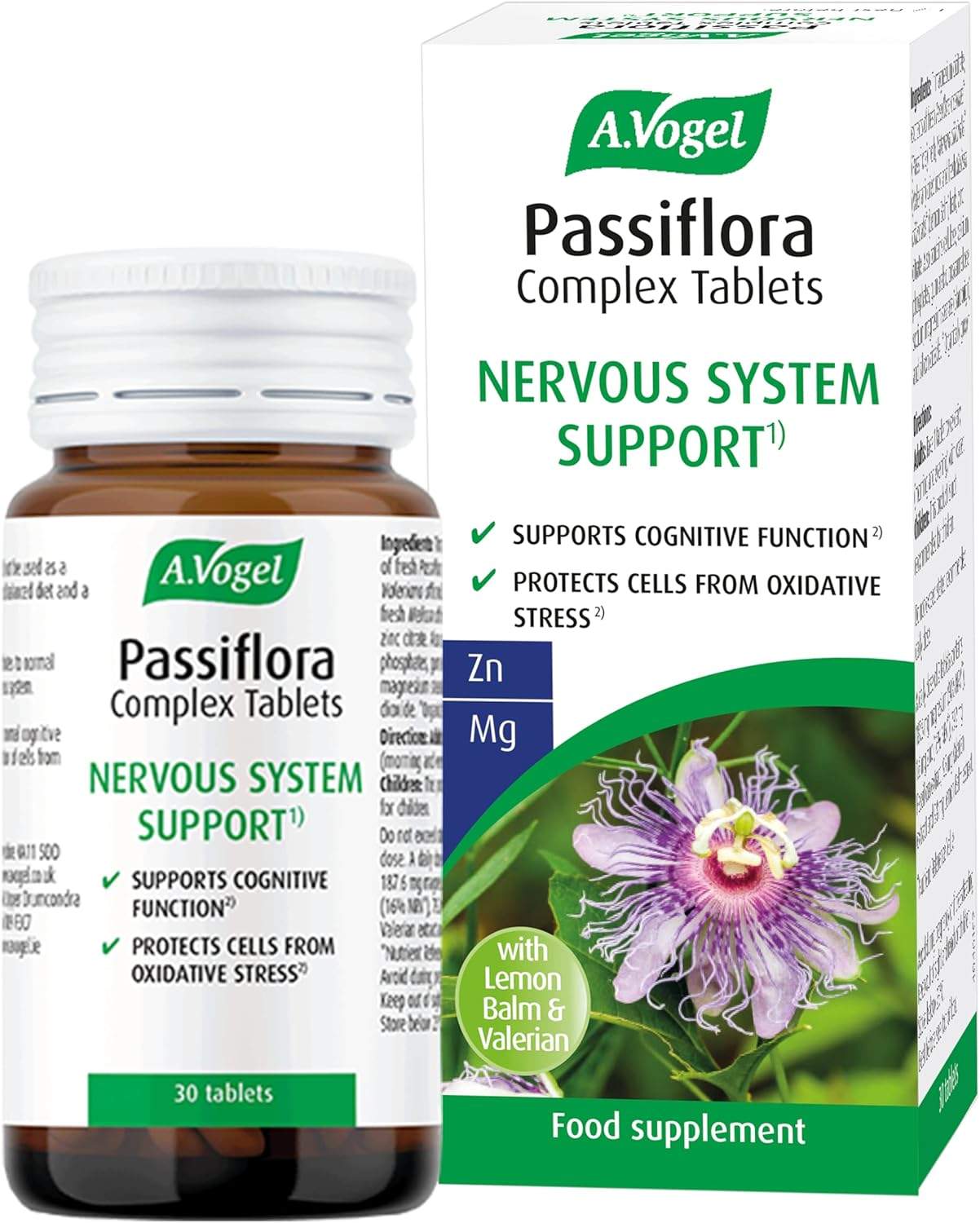
???? 4. Passionflower (Passiflora incarnata)
Historical Use
Native to the Americas, passionflower has long been used by indigenous peoples for treating restlessness, anxiety, and insomnia.
Sleep Benefits
- Enhances GABA activity, similar to valerian.
- Reduces racing thoughts and nighttime anxiety.
- Improves total sleep time and reduces nighttime awakenings.
Scientific Evidence
A study published in Phytotherapy Research (2011) found that passionflower tea improved sleep quality in healthy adults. Another randomized trial in the Journal of Clinical Pharmacy and Therapeutics (2017) showed significant reductions in insomnia severity among patients taking passionflower extract.
How to Use
- Passionflower tea (1–2 cups daily).
- Tinctures (10–30 drops in warm water).
- Standardized capsules (250–500 mg extract before bed).
???? 5. Ashwagandha (Withania somnifera)
Historical Use
A cornerstone of Ayurvedic medicine, ashwagandha is considered a powerful adaptogen that helps the body resist stress and restore balance.
Sleep Benefits
- Reduces cortisol, the stress hormone that disrupts sleep.
- Enhances restorative deep sleep stages.
- Improves sleep onset, duration, and efficiency.
Scientific Evidence
A clinical study in the Cureus Journal of Medical Science (2019) found that ashwagandha root extract improved sleep quality and reduced sleep latency in people with insomnia. Another randomized controlled trial in Sleep Medicine (2020) confirmed its role in reducing anxiety-related sleep disturbances.
How to Use
- Capsules (300–600 mg standardized extract daily).
- Ashwagandha powder in warm milk before bedtime.
- Tincture forms combined with other calming herbs.
⚖️ Safety Considerations and Tips for Use
While these herbs are natural, they can interact with medications or have contraindications. For example:
- Valerian may enhance the effects of sedatives.
- Chamomile can cause allergic reactions in people sensitive to ragweed.
- Lavender oil should be used with caution in children and pregnant women.
- Passionflower may cause dizziness in high doses.
- Ashwagandha is not recommended during pregnancy or for people with autoimmune conditions.
Always consult with a healthcare provider before starting herbal supplements, especially if you are on prescription medication.
[5 top natural herbs for treatment of insomnia and sleep struggles]
✅ Conclusion
Insomnia and sleep struggles can significantly affect physical, mental, and emotional well-being. While lifestyle adjustments such as reducing caffeine, limiting screen time, and practicing mindfulness are essential, natural herbs can provide safe and effective support for restful sleep.
The **5 best natural herbs for insomnia—valerian root, chamomile, lavender, passionflower, and ashwagandha—**are scientifically proven to reduce anxiety, improve sleep onset, and enhance deep, restorative sleep.
Incorporating these herbs into your nightly routine can help you naturally overcome insomnia and enjoy better health through improved sleep quality.
[5 top natural herbs for treatment of insomnia and sleep struggles]
???? Scientific References
- Bent, S., et al. (2006). Valerian root for sleep disorders: a systematic review and meta-analysis. American Journal of Medicine.
- Fernandez-San-Martin, M. I., et al. (2010). Efficacy of valerian on insomnia: a randomized clinical trial. Journal of Psychopharmacology.
- Chang, S. M., & Chen, C. H. (2015). Effects of chamomile tea on sleep quality in postpartum women. Journal of Advanced Nursing.
- Amsterdam, J. D., et al. (2016). Chamomile (Matricaria recutita) therapy for anxiety and sleep. BMC Complementary and Alternative Medicine.
- Lillehei, A. S., et al. (2012). Lavender aromatherapy for sleep quality in intensive care patients. Evidence-Based Complementary and Alternative Medicine.
- Kasper, S., et al. (2010). Lavender oil preparation Silexan is effective in treating anxiety disorder and improving sleep. Journal of Alternative and Complementary Medicine.
- Ngan, A., & Conduit, R. (2011). Passionflower tea and sleep quality in healthy adults. Phytotherapy Research.
- Dimpfel, W., et al. (2017). Passiflora incarnata extract in insomnia treatment. Journal of Clinical Pharmacy and Therapeutics.
- Langade, D., et al. (2019). Efficacy and safety of ashwagandha root extract in insomnia and anxiety. Cureus Journal of Medical Science.
- Lopresti, A. L., et al. (2020). Ashwagandha and sleep quality: a randomized controlled trial. Sleep Medicine.