
5 Top Natural Herbs for Osteoporosis: Strengthen Your Bones Naturally
???? Introduction
5 top natural herbs for osteoporosis: Osteoporosis is a chronic condition characterized by decreased bone mass and deterioration of bone tissue, leading to fragile bones and an increased risk of fractures. According to the International Osteoporosis Foundation, more than 200 million people worldwide are affected, with women being at a higher risk due to hormonal changes after menopause (Kanis et al., 2020).
Conventional treatments often include calcium supplements, vitamin D, bisphosphonates, and hormone replacement therapy. However, growing scientific evidence suggests that certain medicinal herbs may play a supportive role in preventing bone loss, improving bone mineral density (BMD), and enhancing overall skeletal health.
In this article, we will explore 5 scientifically backed natural herbs that can help manage osteoporosis, their bioactive compounds, and how they work to protect and strengthen bones.
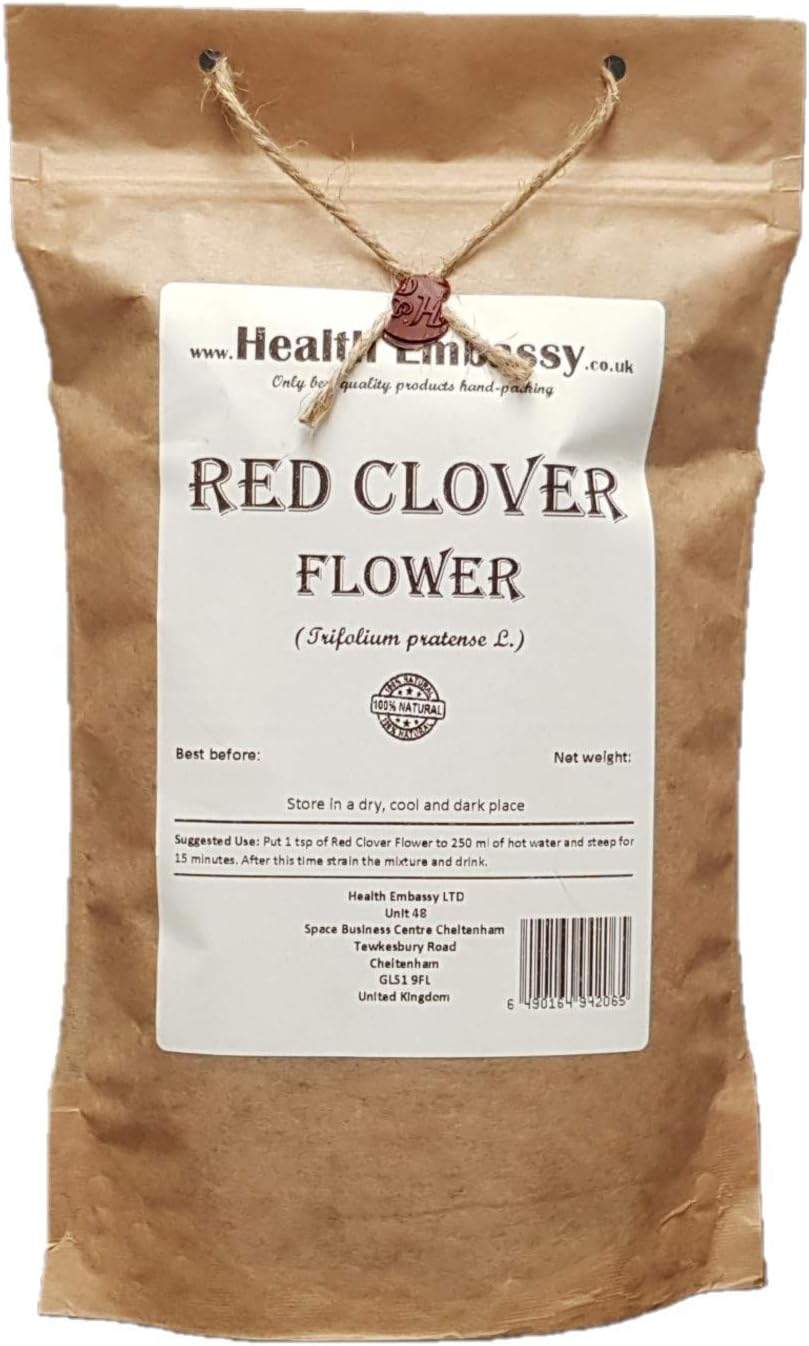
???? 1. Red Clover (Trifolium pratense)
???? Why it helps
Red clover is rich in isoflavones, a class of phytoestrogens that mimic the action of estrogen in the body. Since low estrogen levels are a primary cause of osteoporosis in postmenopausal women, red clover may help reduce bone loss.
A clinical study published in The American Journal of Clinical Nutrition found that red clover extract improved bone mineral density and reduced bone resorption markers in postmenopausal women (Atkinson et al., 2004).
???? Key benefits
- Provides phytoestrogen support to balance hormonal deficiencies.
- Helps reduce the risk of fractures by improving bone strength.
- May improve cardiovascular health, which is often linked to bone health.
???? 2. Horsetail (Equisetum arvense)
???? Why it helps
Horsetail contains silicon (orthosilicic acid), an essential trace element that supports collagen synthesis and bone mineralization. Silicon plays a critical role in bone elasticity and density, especially in aging populations.
Research published in Bone journal suggests that dietary silicon intake is positively associated with bone mineral density in both men and premenopausal women (Jugdaohsingh et al., 2004).
???? Key benefits
- Enhances calcium absorption and deposition into bones.
- Promotes collagen formation, improving bone flexibility.
- Supports hair, skin, and nails due to its mineral content.
???? 3. Black Cohosh (Actaea racemosa)
???? Why it helps
Black cohosh is traditionally used to manage menopausal symptoms such as hot flashes, but it also has potential benefits for bone health due to its estrogen-like activity.
A study in Phytomedicine indicated that black cohosh extracts inhibited bone loss in ovariectomized rats, suggesting possible protective effects against postmenopausal osteoporosis (Seidlová-Wuttke et al., 2003).
???? Key benefits
- Reduces menopausal symptoms that contribute to bone density loss.
- May support hormonal balance naturally.
- Offers anti-inflammatory effects, which can also protect bone tissue.
???? 4. Sage (Salvia officinalis)
???? Why it helps
Sage contains phenolic compounds and flavonoids with antioxidant and estrogenic properties. Oxidative stress contributes to bone resorption, and sage’s strong antioxidant profile may reduce this effect.
Research published in Menopause journal found that sage extract significantly improved menopausal symptoms and may indirectly benefit bone density through hormonal balance (Bommer et al., 2011).
???? Key benefits
- Acts as a natural antioxidant to protect bone cells.
- Supports estrogenic balance in postmenopausal women.
- May reduce inflammation, a contributing factor to osteoporosis progression.
???? 5. Ginseng (Panax ginseng)
???? Why it helps
Ginseng is a powerful adaptogen with ginsenosides that have been shown to improve bone formation and inhibit bone resorption.
A study in Journal of Ethnopharmacology reported that ginsenosides stimulate osteoblast activity (cells that build bone) and inhibit osteoclast differentiation (cells that break down bone), thus improving bone strength (Zhou et al., 2012).
???? Key benefits
- Stimulates bone-building cells.
- Reduces oxidative stress and inflammation.
- Enhances overall energy and vitality, supporting an active lifestyle that benefits bone health.
???? How to Use These Herbs Safely
- Red Clover: Available as tea or extract; consult a doctor if you have a history of estrogen-sensitive cancers.
- Horsetail: Taken as capsules or tea; should not be used long-term due to potential thiaminase activity.
- Black Cohosh: Best used in standardized extract form; avoid in cases of liver disease.
- Sage: Can be used as tea, capsules, or extract; avoid excessive doses due to thujone content.
- Ginseng: Typically taken as capsules, powder, or tea; may interact with blood thinners and medications for diabetes.
⚠️ Always consult with a healthcare professional before starting herbal treatments, especially if you are already taking medications for osteoporosis or other conditions.
???? Lifestyle & Dietary Tips to Support Bone Health
Alongside herbs, lifestyle changes are crucial in managing osteoporosis:
- Ensure adequate calcium and vitamin D intake.
- Engage in weight-bearing exercises like walking, jogging, or resistance training.
- Avoid smoking and excessive alcohol consumption.
- Include foods rich in magnesium, vitamin K2, and omega-3 fatty acids.
✅ Conclusion
Osteoporosis is a widespread condition, but nature provides several herbal allies that can support bone strength and reduce fracture risk. Red clover, horsetail, black cohosh, sage, and ginseng each offer unique benefits backed by scientific evidence.
When used responsibly and combined with proper diet and exercise, these herbs can be part of a holistic approach to maintaining strong, healthy bones.
???? Scientific References
- Atkinson, C. et al. (2004). The effects of red clover isoflavones on bone density and biochemical markers of bone turnover in women: a randomized trial. Am J Clin Nutr, 79(4), 595-600.
- Jugdaohsingh, R. et al. (2004). Dietary silicon intake and bone mineral density: associations in men and women. Bone, 34(2), 356–361.
- Seidlová-Wuttke, D. et al. (2003). Effects of Cimicifuga racemosa on bone turnover in ovariectomized rats. Phytomedicine, 10(6-7), 501–507.
- Bommer, S. et al. (2011). Sage extract in the treatment of hot flushes: a randomized, double-blind, placebo-controlled clinical trial. Menopause, 18(5), 500–507.
- Zhou, L. et al. (2012). Effects of ginsenosides on osteoblast differentiation and bone formation. Journal of Ethnopharmacology, 144(3), 754–761.
[5 top natural herbs for osteoporosis]