
???? 5 Top Natural Herbs for Headache Relief: The Absolute Guide
Introduction
5 top natural herbs for headache relief: Headaches are among the most common health complaints worldwide, affecting millions of people every day. They can range from mild tension headaches to severe migraines that disrupt daily life. While conventional medicine often relies on painkillers like ibuprofen or acetaminophen, many individuals are now turning to natural herbal remedies for headache relief due to concerns about side effects and the desire for holistic wellness (Lipton et al., 2001).
Herbal medicine offers a variety of plants with proven analgesic, anti-inflammatory, and calming effects that may help relieve different types of headaches, including:
- Tension headaches caused by stress or muscle strain.
- Migraines triggered by hormonal changes, food sensitivities, or neurological factors.
- Cluster headaches that are less common but extremely painful.
In this article, we’ll explore the 5 top natural herbs for headache relief, supported by scientific studies, traditional knowledge, and practical usage tips.
???? 1. Feverfew (Tanacetum parthenium)
Traditional Use
Feverfew has been used for centuries in European folk medicine as a natural remedy for headaches and migraines. Its name derives from the Latin “febrifugia,” meaning “fever reducer.”
Active Compounds
The key bioactive compound in feverfew is parthenolide, which has anti-inflammatory and vasodilatory properties that may reduce migraine frequency and severity (Pareek et al., 2011).
Scientific Evidence
- A clinical trial published in The Lancet demonstrated that feverfew significantly reduced migraine frequency in patients who consumed it regularly (Johnson et al., 1985).
- A systematic review in Cochrane Database confirmed that feverfew may help prevent migraines, although results vary between individuals (Pittler & Ernst, 2004).
How to Use
- Capsules or tablets containing standardized feverfew extract.
- Herbal tea prepared from dried leaves.
- Should be taken preventively, rather than as an acute pain reliever.
⚠️ Precaution: Feverfew may interact with anticoagulant medications and should not be used during pregnancy.
???? 2. Peppermint (Mentha piperita)
Traditional Use
Peppermint has long been valued for its refreshing aroma and therapeutic effects on the digestive and nervous systems. It is also one of the most studied herbs for tension headaches.
Active Compounds
Peppermint oil contains menthol, which relaxes smooth muscles, promotes blood circulation, and provides a cooling effect that eases headache pain (Göbel et al., 1996).
Scientific Evidence
- A double-blind, placebo-controlled study published in Phytomedicine found that topical application of peppermint oil (10% solution) was as effective as acetaminophen in relieving tension headaches (Göbel et al., 1996).
- Another study in Functional Neurology confirmed that menthol applied to the temples reduced pain intensity and improved cognitive performance during headache episodes (Borhani Haghighi et al., 2010).
How to Use
- Topical application: Diluted peppermint oil massaged into temples and forehead.
- Aromatherapy: Inhaling peppermint essential oil.
- Tea infusion: Drinking peppermint tea to reduce stress and mild headache symptoms.
⚠️ Precaution: Avoid applying undiluted peppermint oil directly to the skin, as it may cause irritation.
???? 3. Ginger (Zingiber officinale)
Traditional Use
Ginger is widely known as a digestive aid, but it is also a powerful anti-inflammatory herb that can help alleviate headaches, particularly migraines accompanied by nausea.
Active Compounds
Ginger contains gingerols and shogaols, which inhibit prostaglandin synthesis and reduce inflammation, making it useful in pain management (White, 2007).
Scientific Evidence
- A clinical study published in Phytotherapy Research showed that ginger powder was as effective as sumatriptan (a common migraine drug) in reducing migraine severity, with fewer side effects (Maghbooli et al., 2014).
- Another review in Cephalalgia highlighted ginger’s role in reducing migraine-related nausea and vomiting (Cady et al., 2005).
How to Use
- Fresh ginger tea prepared with hot water and lemon.
- Capsules of standardized ginger extract.
- Ginger powder added to food or smoothies.
⚠️ Precaution: High doses of ginger may thin the blood and interact with anticoagulants.
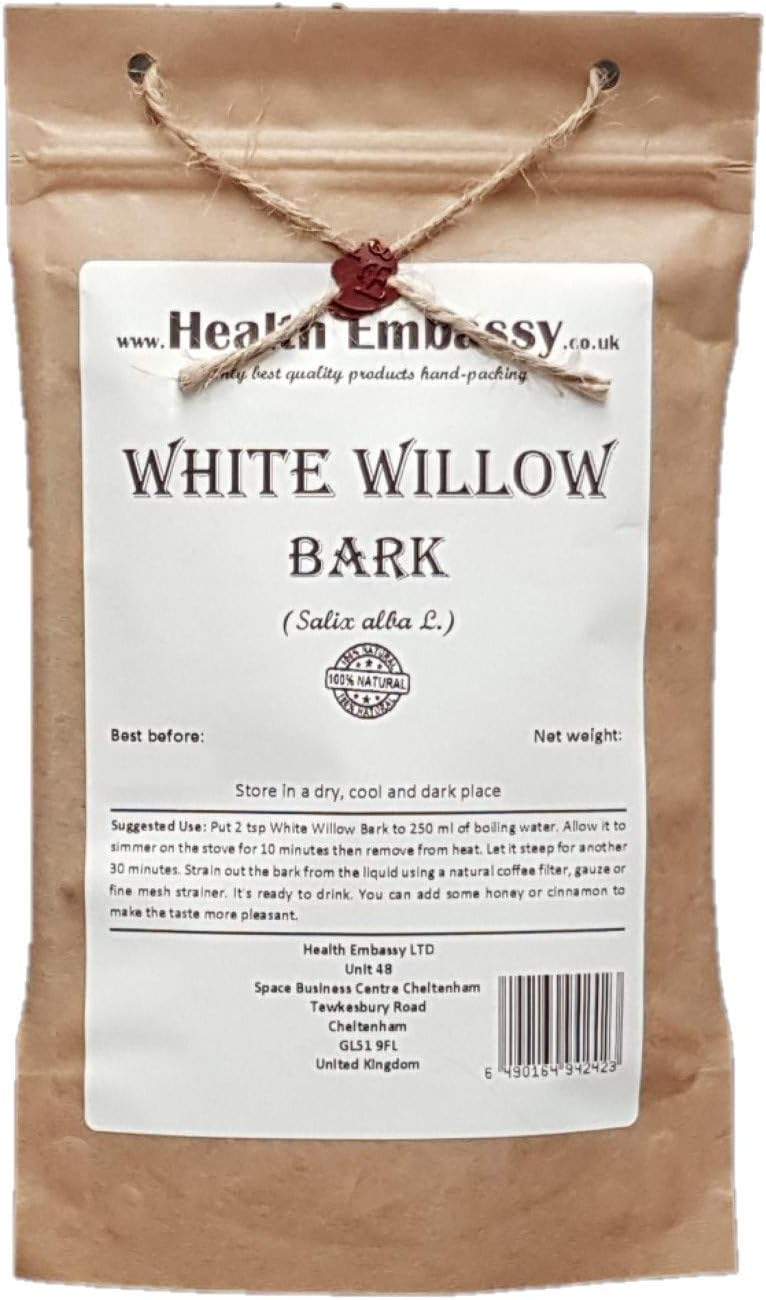
???? 4. Willow Bark (Salix alba)
Traditional Use
Often referred to as “nature’s aspirin,” willow bark has been used for centuries as a pain reliever and anti-inflammatory herb.
Active Compounds
Willow bark contains salicin, a compound that the body converts into salicylic acid – the precursor to aspirin (Mahdi et al., 2006).
Scientific Evidence
- Research published in Phytotherapy Research demonstrated that willow bark extract significantly reduced pain intensity in tension headaches (Biegert et al., 2004).
- Studies also suggest it may be effective in chronic pain management, including back pain and osteoarthritis, due to its anti-inflammatory effects (Chrubasik et al., 2000).
How to Use
- Standardized extract capsules (containing salicin).
- Willow bark tea made from dried bark.
⚠️ Precaution: Should not be used by people allergic to aspirin or those with stomach ulcers.
???? 5. Lavender (Lavandula angustifolia)
Traditional Use
Lavender is best known for its calming aroma, but it also holds promise as a natural remedy for stress-induced headaches and migraines.
Active Compounds
Lavender essential oil contains linalool and linalyl acetate, which have sedative and analgesic properties that promote relaxation and reduce pain (Lis-Balchin & Hart, 1999).
Scientific Evidence
- A study in European Neurology found that inhaling lavender essential oil significantly reduced migraine pain compared to placebo (Sasannejad et al., 2012).
- Another review in Evidence-Based Complementary and Alternative Medicine highlighted lavender’s effectiveness in anxiety-related headaches (Koulivand et al., 2013).
How to Use
- Aromatherapy: Inhalation of lavender essential oil.
- Topical application: Diluted oil massaged into temples.
- Tea infusion: Drinking lavender tea before bedtime.
⚠️ Precaution: Lavender oil should always be diluted before skin application.
Lifestyle Tips to Prevent Headaches
Alongside herbal remedies, adopting healthy lifestyle habits can help minimize headache frequency and severity:
- Stay hydrated and avoid skipping meals.
- Limit caffeine, alcohol, and processed foods.
- Maintain a regular sleep schedule.
- Manage stress through yoga, meditation, or breathing exercises.
- Keep a headache diary to identify potential triggers.
Conclusion
Headaches can greatly impact quality of life, but herbal remedies such as feverfew, peppermint, ginger, willow bark, and lavender provide safe, natural, and evidence-backed options for relief. While they may not replace conventional medicine for severe cases, these herbs can complement other treatments and promote overall well-being.
Before starting any herbal supplement, it is advisable to consult with a healthcare professional, especially if you are on prescription medications or have underlying health conditions.
[5 top natural herbs for headache relief]
???? Scientific References
- Johnson, E. S., et al. (1985). Feverfew: A double-blind placebo controlled study of its efficacy in migraine prophylaxis. The Lancet.
- Pittler, M. H., & Ernst, E. (2004). Feverfew for preventing migraine. Cochrane Database of Systematic Reviews.
- Göbel, H., et al. (1996). Effectiveness of peppermint oil in the treatment of tension-type headache. Phytomedicine.
- Borhani Haghighi, A., et al. (2010). Evaluation of the efficacy of peppermint oil in the treatment of tension-type headache. Functional Neurology.
- Maghbooli, M., et al. (2014). Comparison between the efficacy of ginger and sumatriptan in the treatment of migraine attacks. Phytotherapy Research.
- Cady, R. K., et al. (2005). Ginger (Zingiber officinale) in migraine headache. Cephalalgia.
- Mahdi, J. G., et al. (2006). The historical analysis of willow bark in pain management. Phytotherapy Research.
- Biegert, C., et al. (2004). Efficacy and tolerability of willow bark extract in treating tension-type headache. Phytotherapy Research.
- Chrubasik, J. E., et al. (2000). Willow bark extract for musculoskeletal pain: A systematic review. Rheumatology.
- Lis-Balchin, M., & Hart, S. (1999). Studies on the mode of action of the essential oil of lavender. Phytotherapy Research.
- Sasannejad, P., et al. (2012). Lavender essential oil in the treatment of migraine headache: A placebo-controlled clinical trial. European Neurology.
- Koulivand, P. H., et al. (2013). Lavender and the nervous system. Evidence-Based Complementary and Alternative Medicine.
- White, B. (2007). Ginger: An overview. American Family Physician.